LLMs & Generative AI - Page 66 of 72
Latest breakthroughs in large language models and generative AI shaping the future of artificial intelligence and machine learning.
1425 articles
View complete article list
Latest breakthroughs in large language models and generative AI shaping the future of artificial intelligence and machine learning.

You can't open a tech blog without seeing some new AI coding model. The noise is immense. But the actual signal, a real jump in what a smaller, open-source model can do, is rare. It just appeared.
Small companies and freelancers are being priced out of the AI race. Enterprise platforms cost a fortune, and cobbling together single-use tools eats a budget whole. ChatLLM says it's for the rest of us.

Every new software update claims to be radical. Notion’s 3.0 release might actually mean it. The company has pushed its AI past text generation and into the mess of real work. This is about feedback loops.
Firebase Studio is not a new IDE. It's a wrapper for an old one. Google's development platform has announced an integrated environment for building full-stack apps.
The industry sold us a lie: AI would dissolve language barriers like sugar in water. Instead, it ran headlong into a more stubborn force, the human capacity for belief.

Flash-attention scaling is a notoriously tricky problem. PyTorch and NVIDIA's BioNeMo think they've cracked a piece of it with a new parameter called attn_input_format. The goal is speed.
Microsoft now has a get-out-of-jail-free card for the biggest project in tech. Its new deal with OpenAI explicitly permits the company to go build a superintelligent machine on its own, or with anyone else it chooses.
Google’s Gemini API can now read your clutter. A new feature lets it search across the usual suspects—PDFs, Word docs, plain text, JSON, and code files—turning a messy folder into something you can actually question.

Forget the hype about AI curing cancer tomorrow. Researchers are now penciling in actual dates for what machines might genuinely discover, and it’s a schedule for the patient.

Security teams aren't just busy. They're buried. The daily avalanche of alerts creates a simple, dangerous math problem: too many signals, not enough people to look at them. Anthropic says its Claude AI can change that math.

Every kid with a school laptop has a potential co-author. Generative AI is in the classroom now, not coming soon. McGill University researcher Adam Dubé is one of the few people actually watching how it works, and what it breaks.

Another AI agent promises to make sense of the energy sector's chaos. This one, from Infosys, is built to read the technical junk that piles up around oil and gas wells: the logs, the images, the plots.

Google wants its AI to read your mail. Not spam, but the real stuff: your private Gmail, your Drive folders, your team Chat logs.
Google Chrome owns the web. For more than a decade, its 60 percent market share has seemed like a law of physics, not a business strategy. That law might be breaking.
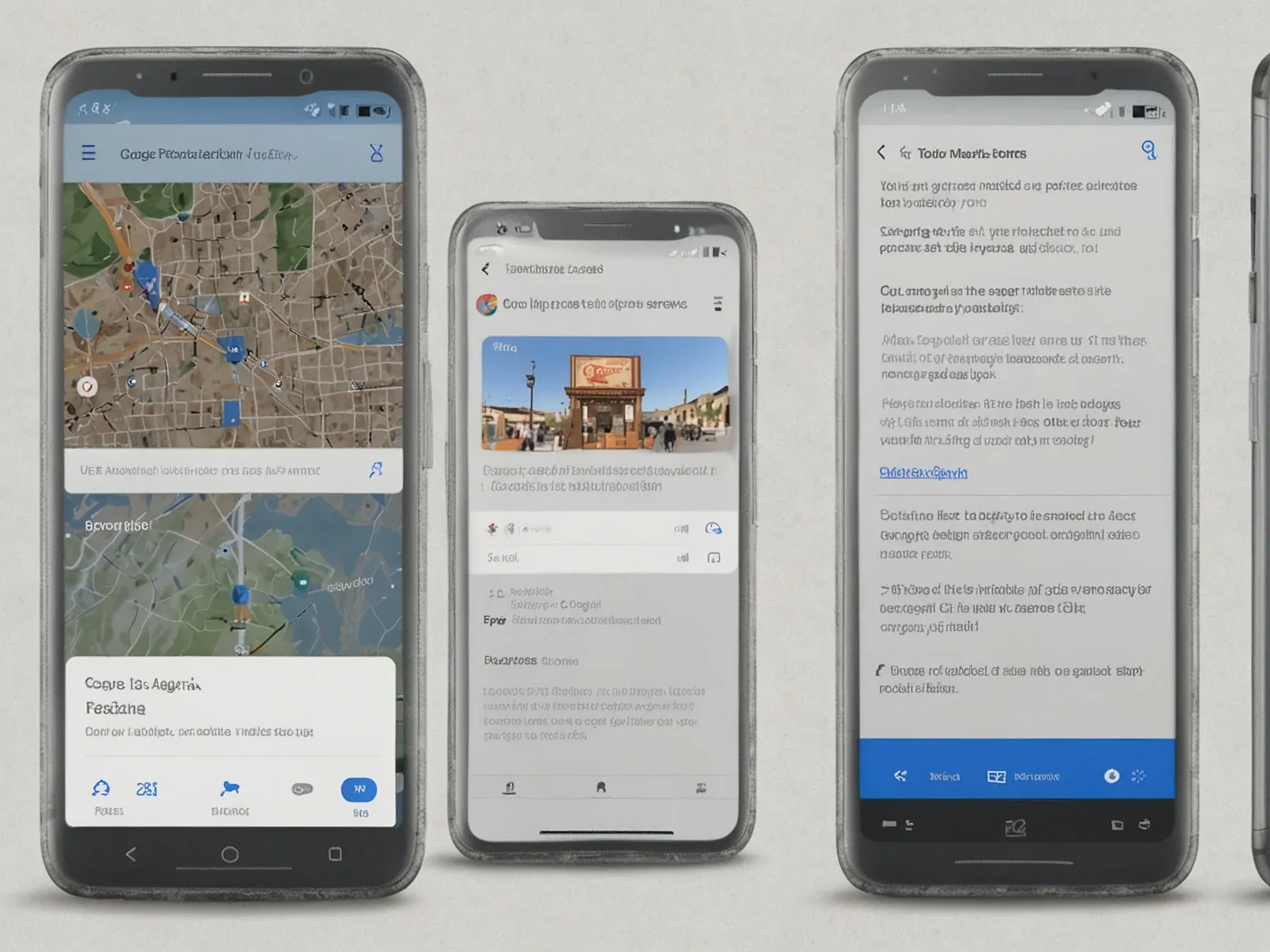
Google Maps is about to start talking back. The app is wiring its Gemini AI model directly into navigation, shifting from a passive atlas to an active, chatty guide. This means you can ask it questions.
Google pitched its new Gemini AI as a way to kill PowerPoint drudgery with a single sentence. It mostly just killed time. The tool, which generates slides from one prompt, is now live.

Talk of the future of work is everywhere. Almost all of it is wrong. This isn't a story of replacement. It's a slower, grinding reallocation of the tedious and the thoughtful. AI now processes invoices at companies like Stripe.
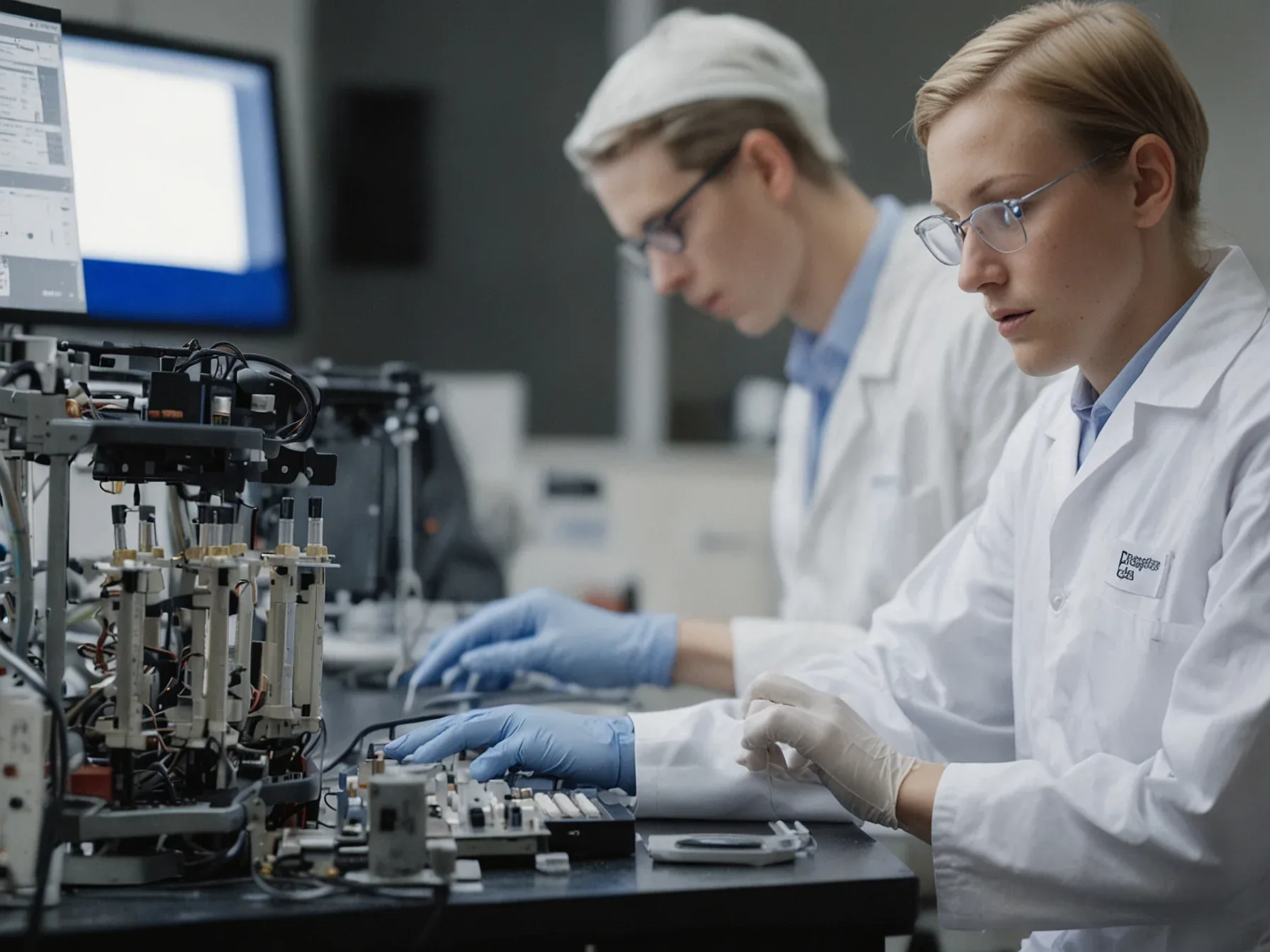
Training a big AI model costs too much. The process burns cash and compute time, walling off research to a few well-funded giants. Brumby-14B is an attempt to jimmy open that lock. Its method, called Power Retention, doesn't start from zero.

Amazon has stuck its AI assistant, Alexa Plus, directly into its Music app. The pitch is simple: it will pick songs and make playlists based on your mood, or on fragments of information you can barely remember yourself.
SAP is launching an AI model that learns by watching you work. The enterprise software giant calls it RPT-1, a so-called ready-to-use artificial intelligence for businesses.
Learn to build AI-powered apps without coding. Our comprehensive review of No Code MBA's course.
Curated collection of AI tools, courses, and frameworks to accelerate your AI journey.
Get the week's most important AI news delivered to your inbox every week.