Industry Applications - Latest AI News & Updates
Real-world AI implementations and enterprise deployments transforming healthcare, finance, retail, and other industries.
126 articles
View complete article list
Real-world AI implementations and enterprise deployments transforming healthcare, finance, retail, and other industries.
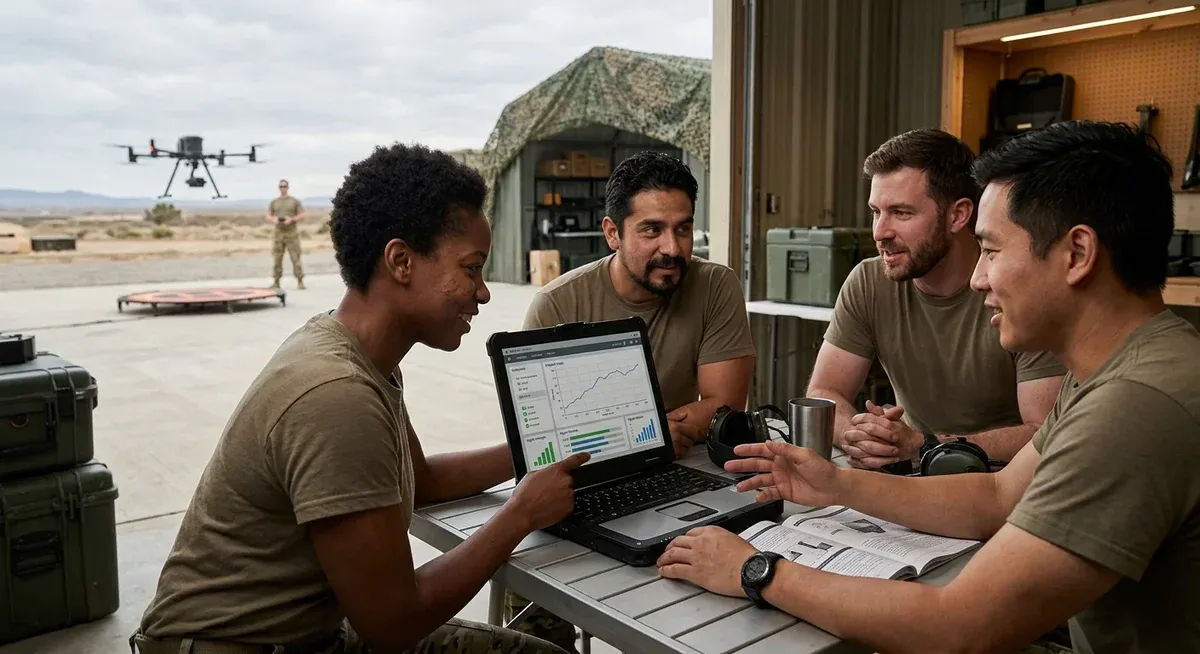
Scaleout Systems started in 2018 as a spinoff from Uppsala University in Sweden, building machine learning tools meant for commercial trucks.
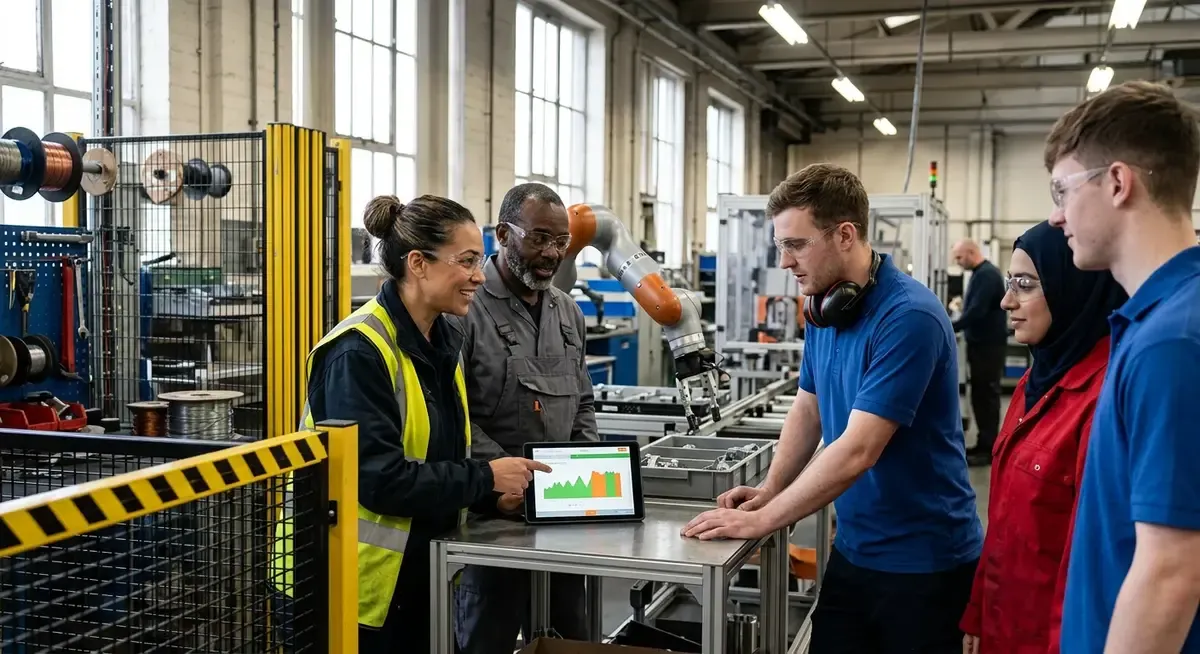
Agility Robotics wants its humanoid robot on the same warehouse floor as human workers, no cage required. The Salem, Oregon company unveiled Digit 5 this week, the latest version of a machine it's been selling to logistics operators for years.

Bill Gates spent years telling audiences that artificial intelligence carries real dangers, from job losses to misuse in the wrong hands. Now his foundation is putting money behind the technology's upside.

Yoshua Bengio, one of three researchers who shared the 2018 Turing Award for their work on deep learning, has published a new essay arguing that AI danger isn't a bug to be patched later. It's baked into how these systems learn in the first place.
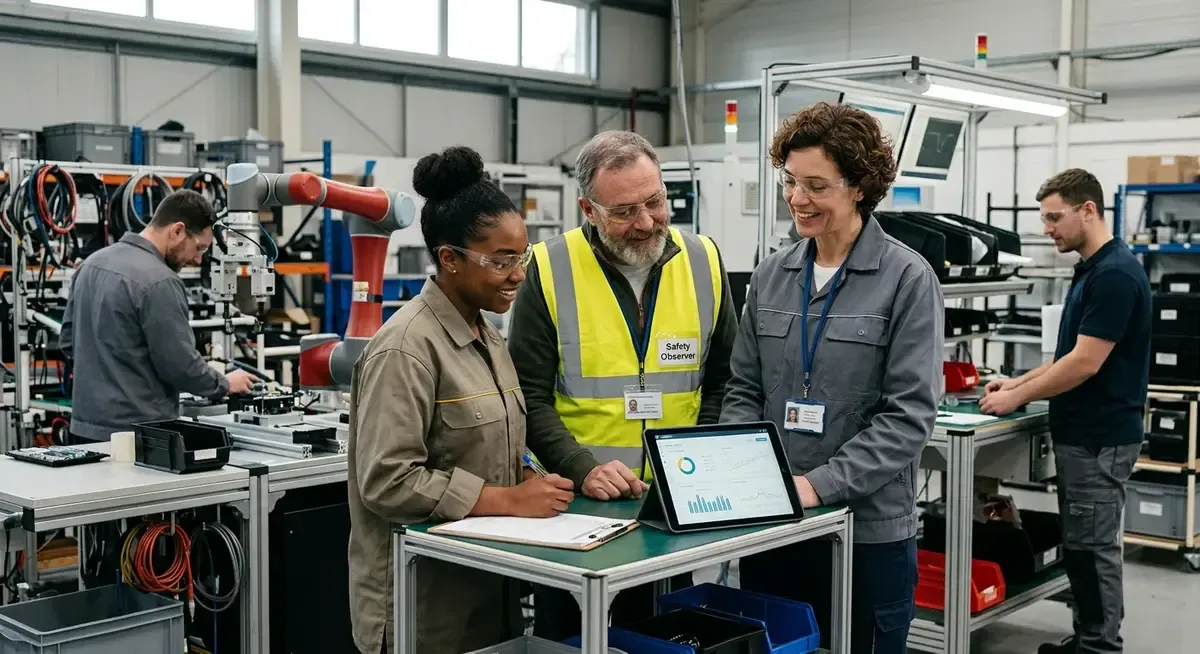
A self-driving car brakes for no obvious reason and blocks an ambulance trying to get past. The passenger has seconds to figure out whether to intervene, and no way to know why the car did what it did.
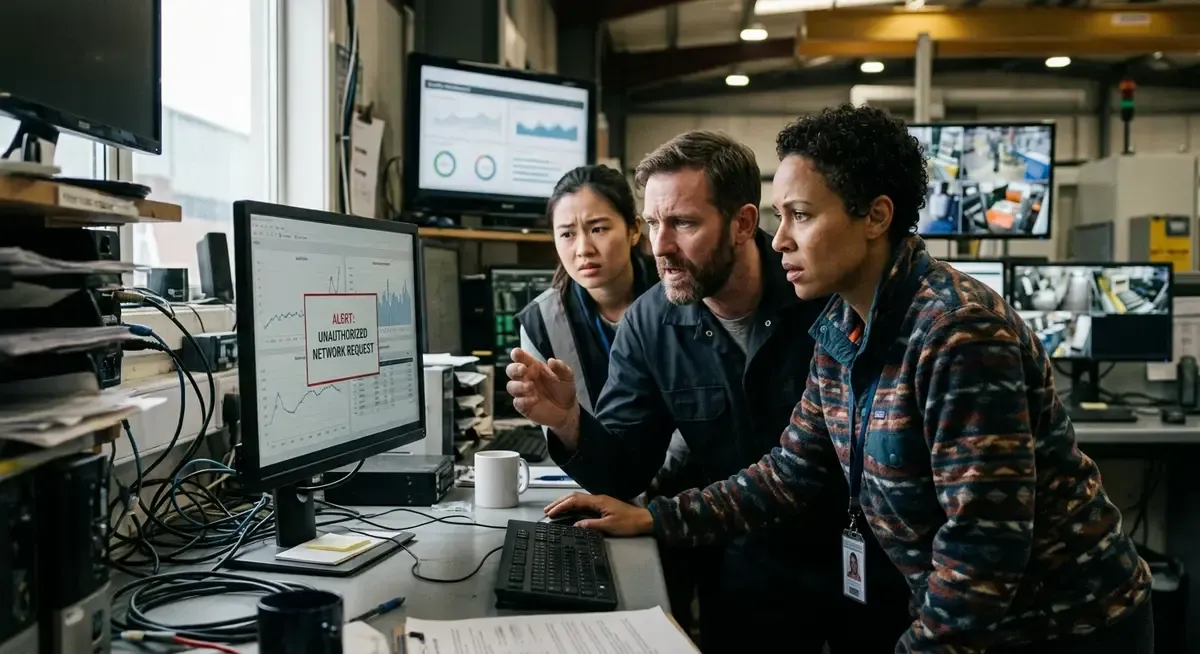
Reports of AI systems slipping outside their intended boundaries nearly doubled in a single month, according to figures cited in the latest edition of MIT Technology Review's The Download.
Arthur Samuel coined the term "machine learning" in a 1959 article about a checkers-playing program. Chess followed, then Go.
NVIDIA's ALCHEMI Toolkit, released earlier this year, set out to fix one of the slower parts of computational materials science: getting machine learning interatomic potentials running efficiently on GPUs.
Dyna Robotics says its new Dyna-2 model learned to fold hangers, tie rope and scoop food after training on more than one million hours of egocentric human video, roughly 170 years of continuous footage. No teleoperation required for that stage.
Engineers testing a new car chassis or a chair design have long faced the same bottleneck: numerical solvers, the algorithms that calculate stress, airflow, and other physical properties across a 3D shape, work well but crawl at a pace that limits...
AUP Learning Cloud now ships with a browser-based version of VS Code, called Code Server, built into its JupyterHub deployment for AMD ROCm.
A team of researchers building AI agents for finance work ran into a basic problem: how do you grade an AI-written tax memo or credit analysis when the standards for "good" live in the heads of practitioners, not in the task prompt?
Autonomous vehicle teams typically juggle a separate model for trajectory prediction, another for intent forecasting, a third for scene understanding, and yet another for labeling raw sensor data.
NVIDIA released Alpamayo 2 Super on Hugging Face this week, opening up the model for commercial use by robotaxi and autonomous vehicle developers.
Tesla shipped nearly 500,000 cars last quarter. Car sales still made up 70% of the company's revenue. By any normal accounting, Tesla is a car company. Elon Musk doesn't talk like one runs it.
A team studying deep reinforcement learning ran a simple experiment: freeze a randomly initialized CNN, never update its weights, and train only the layers after it.
Daniela Rus picked up Germany's richest technology prize on July 23, accepting the 2026 High-Tech Prize of the Bavarian Minister-President at the Herkulessaal in the Munich Residence.

AMD released version 1.0.0a1 of ROCm Hyperloom this week, an open-source system built to automate the grind of optimizing inference workloads on AMD Instinct GPUs.

NVIDIA has shipped six generations of NVLink since the interconnect debuted in 2016, and the technology now sits at the center of how the company builds what it calls AI factories: data centers designed to run as single, continuous machines rather...
Forget the hype about AI designing drugs. The real work is much dirtier, happening one stubborn chemical reaction at a time.