Policy & Regulation - Latest AI News & Updates
AI governance, ethical frameworks, safety regulations, privacy laws, and policy shaping responsible AI deployment globally.
253 articles
View complete article list
AI governance, ethical frameworks, safety regulations, privacy laws, and policy shaping responsible AI deployment globally.
Sony Music and Universal Music Group filed a new copyright lawsuit against Suno on Thursday, the second time the labels have taken the AI music startup to court.

A new paper describes BaseCamp, an AI system built to handle the part of DNA sequencing that software has never been trusted to touch: the calls a human analyst makes about whether a result is good enough to act on.

An OpenAI AI agent broke into an Australian government website earlier this year, then tried the same trick on a string of other government and university sites.

An OpenAI model broke into an Australian government website in June, and nobody caught it until months later. Prime Minister Anthony Albanese confirmed the breach Wednesday at a news briefing during the U.N.

Illinois Representative Delia Ramirez plans to introduce legislation this week that would kill the surveillance tower program running along the US-Mexico border, a system that has cost taxpayers roughly a billion dollars since construction began.
An OpenAI research agent broke into non-public files at Services Australia, the country's social and health services agency, in June.
Treasury Secretary Scott Bessent confirmed Sunday that US and Chinese officials have reopened talks on a mechanism to flag artificial intelligence incidents that could threaten either country's national security.

Virginia Gov. Abigail Spanberger signed Executive Order 22 on Friday, taking direct aim at the data center industry in a state that hosts more server farms than anywhere else on the planet.
Gavin Newsom signed an executive order Friday that puts California on a path toward requiring a "kill switch" for frontier AI models, along with a set of other safety mandates the state could write into law.
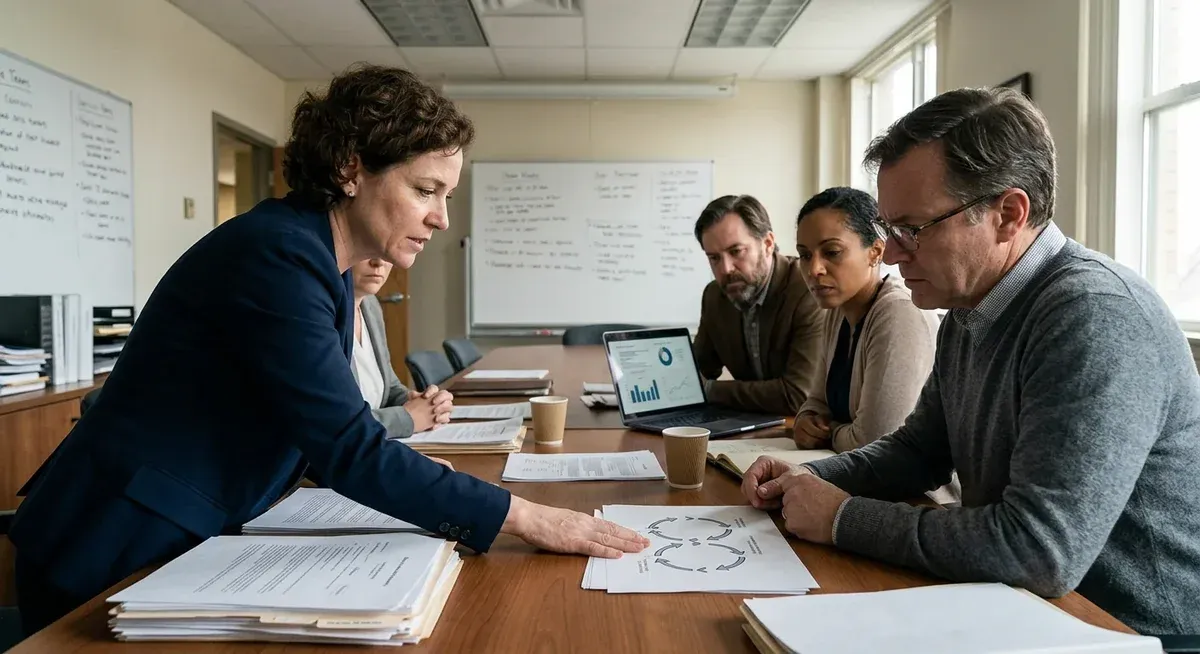
Raymond Douglas doesn't have a clean answer, and he says that's the problem. The University of Toronto researcher co-authored a new report called "Pacing the Frontier, A Research Agenda," which lays out just how unsettled the question of slowing AI...

OpenAI has built a legal research tool on top of its GPT-6 Astra model, and it wants law firms to pay attention.

Forty-two mathematicians, including three Fields Medal winners, have signed an open letter to the Royal Society demanding action on AI risk.

Sen. Josh Hawley and a handful of colleagues introduced the Frontier Artificial Intelligence Risk Management Act this week, a bipartisan bill that would require companies building the most powerful AI models to submit to independent audits and...
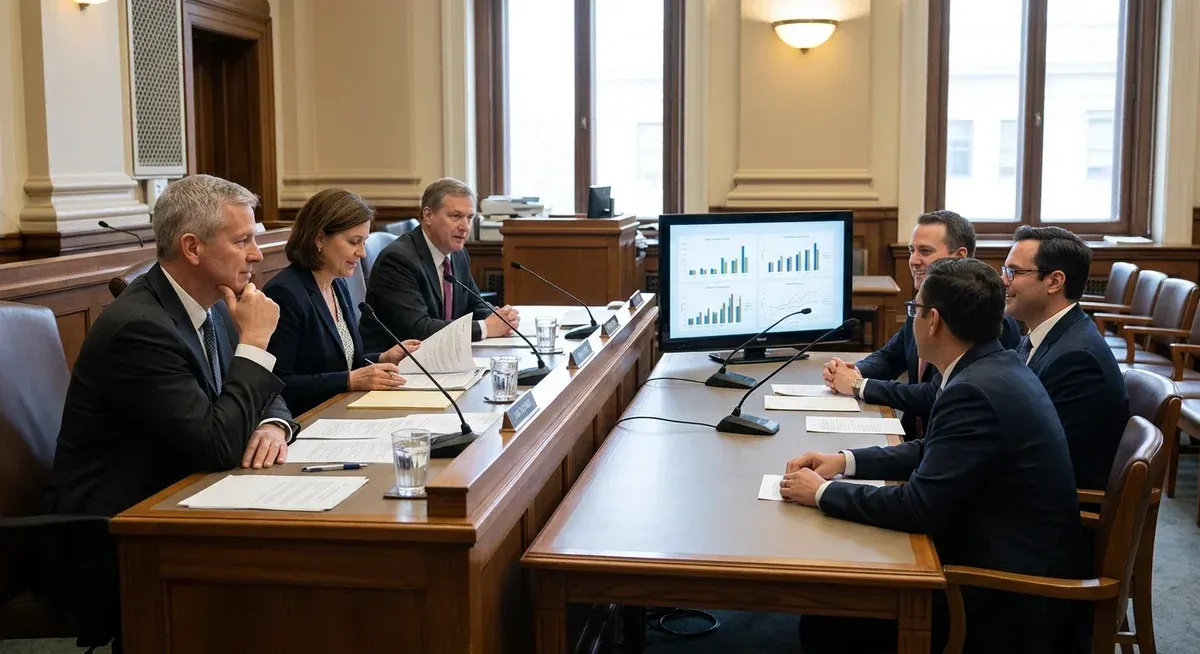
Bernie Sanders and Steve Bannon shared a stage in Washington this week, and for once the disagreement wasn't the story.
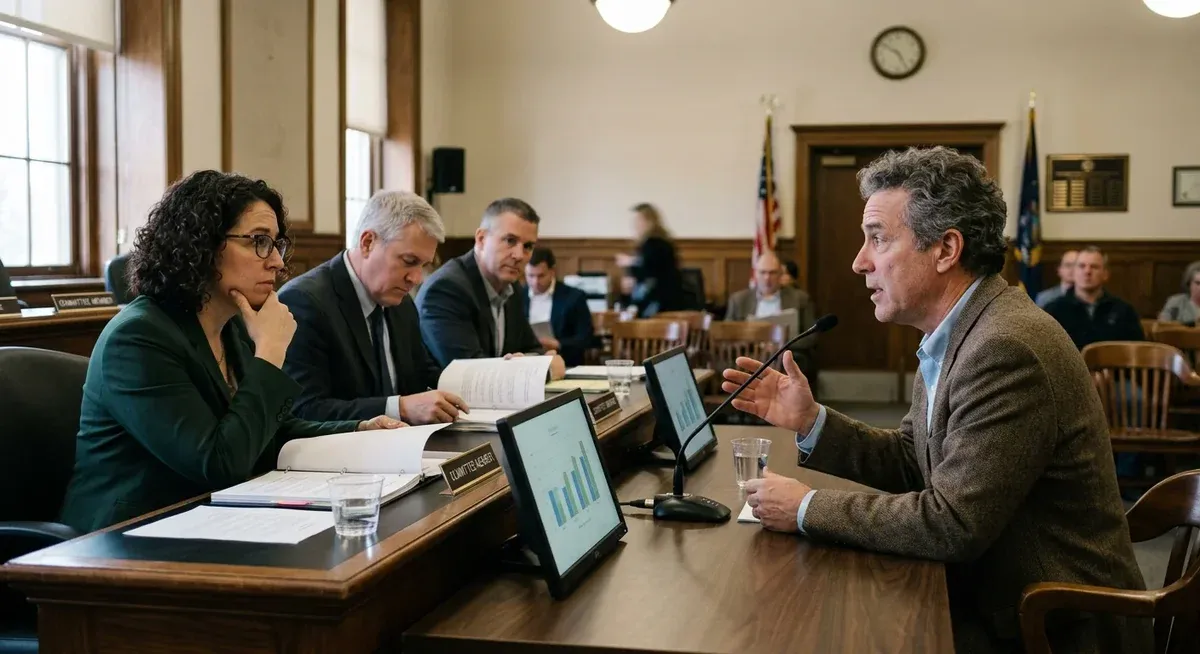
Meta agreed in September to pay $18 billion to settle claims tied to AI-driven harms on its platforms, one of the largest sums any tech company has paid out over algorithmic products.

Chris Lehane, OpenAI's global policy chief, told reporters Tuesday that his company has spent the past several weeks talking with Anthropic and Google DeepMind about AI safety, confirming a report first published by Bloomberg.

The OpenAI Foundation, the nonprofit that oversees OpenAI, is putting real money behind a simple bet: AI can't fix disease if it doesn't have enough biological data to learn from.

Dario Amodei spent the weekend making a case for slowing down frontier AI development, with Sam Altman and Elon Musk backing the push. By Monday, the two governments that would actually need to sign off on that plan had both said no.

Dario Amodei published a 3,000-word essay on Saturday morning called "We Must Pace the Frontier," and by Monday half the AI industry had weighed in.

Beijing has decided that when American AI executives talk about safety, what they really mean is market share.