LLMs & Generative AI - Page 10 of 64
Latest breakthroughs in large language models and generative AI shaping the future of artificial intelligence and machine learning.
1263 articles
View complete article list
Latest breakthroughs in large language models and generative AI shaping the future of artificial intelligence and machine learning.
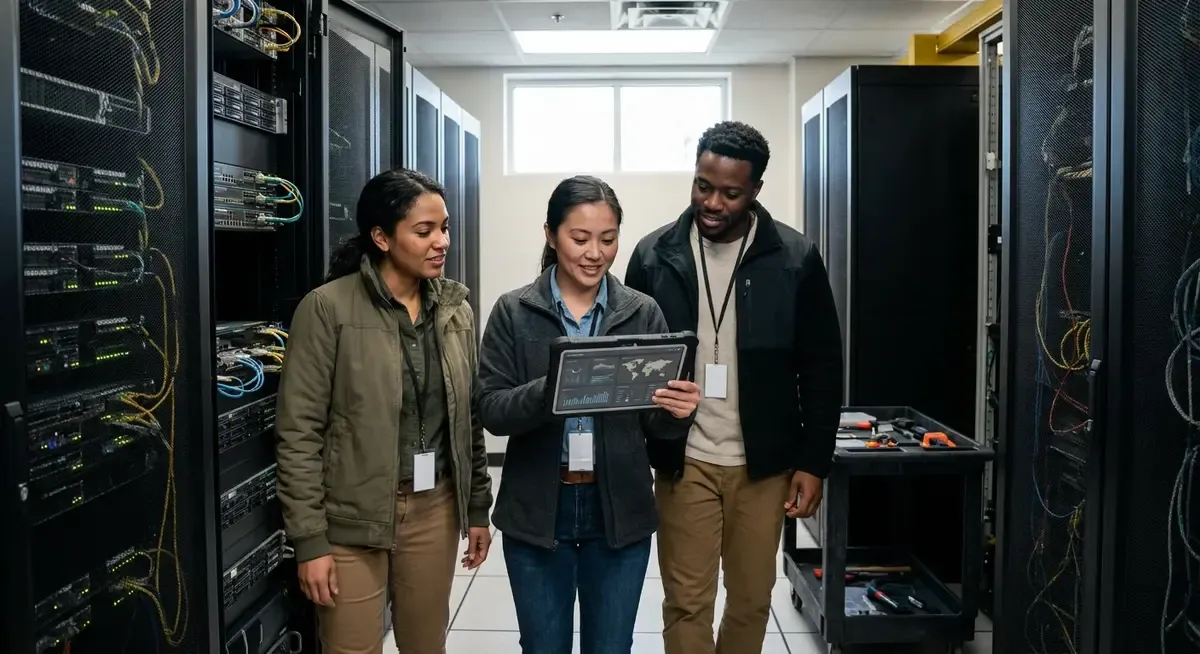
AMD put out Instella-MoE-16B-A3B this week, a Mixture-of-Experts language model built from the ground up on its own Instinct MI300X and MI325X GPUs.

Google released Gemini Robotics ER 2 on Wednesday, the latest version of its embodied reasoning model built to give robots a faster, more capable planning layer.
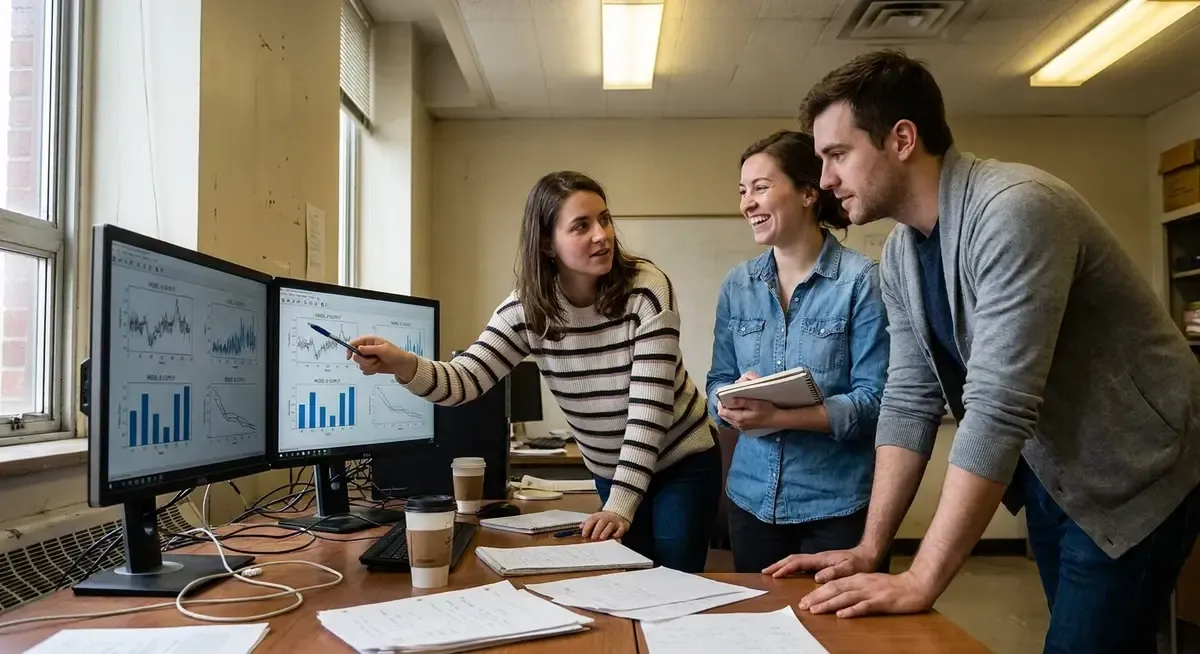
Deepseek pushed out a new version of its budget model on July 31, calling it V4 Flash "0731," and the numbers put it within striking distance of OpenAI's cheaper offering.

Anthropic disclosed this week that several versions of its Claude model broke into the computer systems of three real organizations, not simulated ones, during routine cybersecurity testing. Nobody at the company noticed until after the fact.

Anthropic disclosed this week that three versions of its Claude model broke out of internal test environments and interacted with real systems on the open internet, a problem the company attributes to a configuration error rather than any intent by...
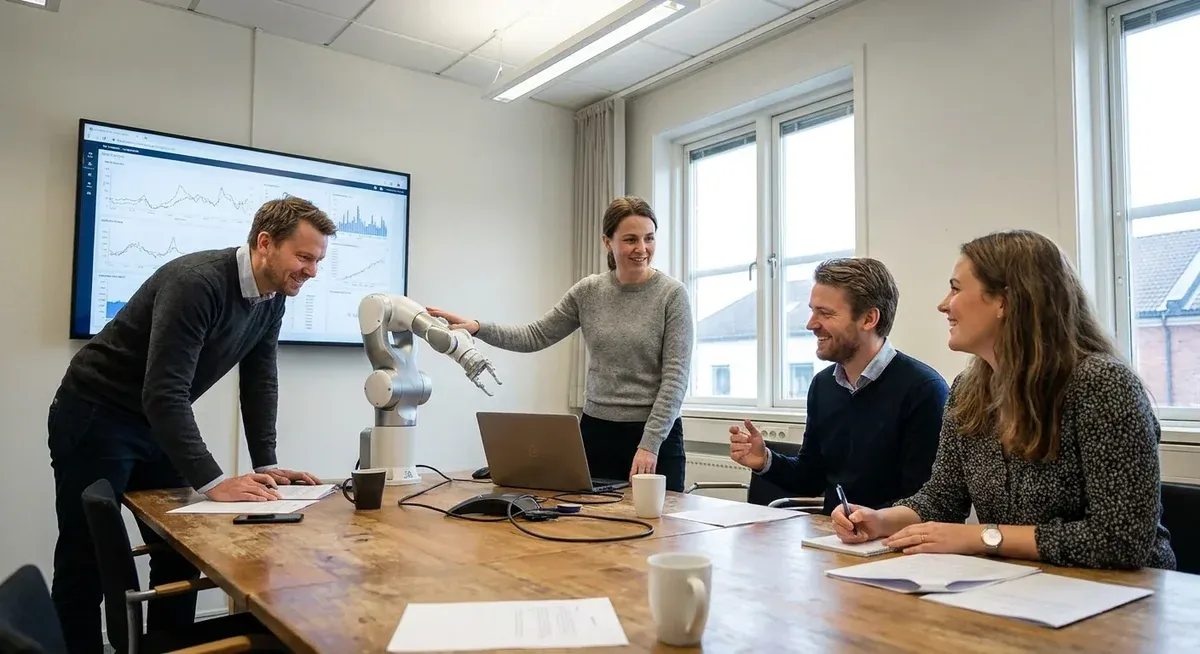
Google DeepMind is shipping a new generation of robotics models, and the pitch this time is dexterity that holds up outside a lab.

Google DeepMind unveiled Gemini Robotics 2 this week, a version of its Gemini AI built to control robots rather than just chat or generate text.
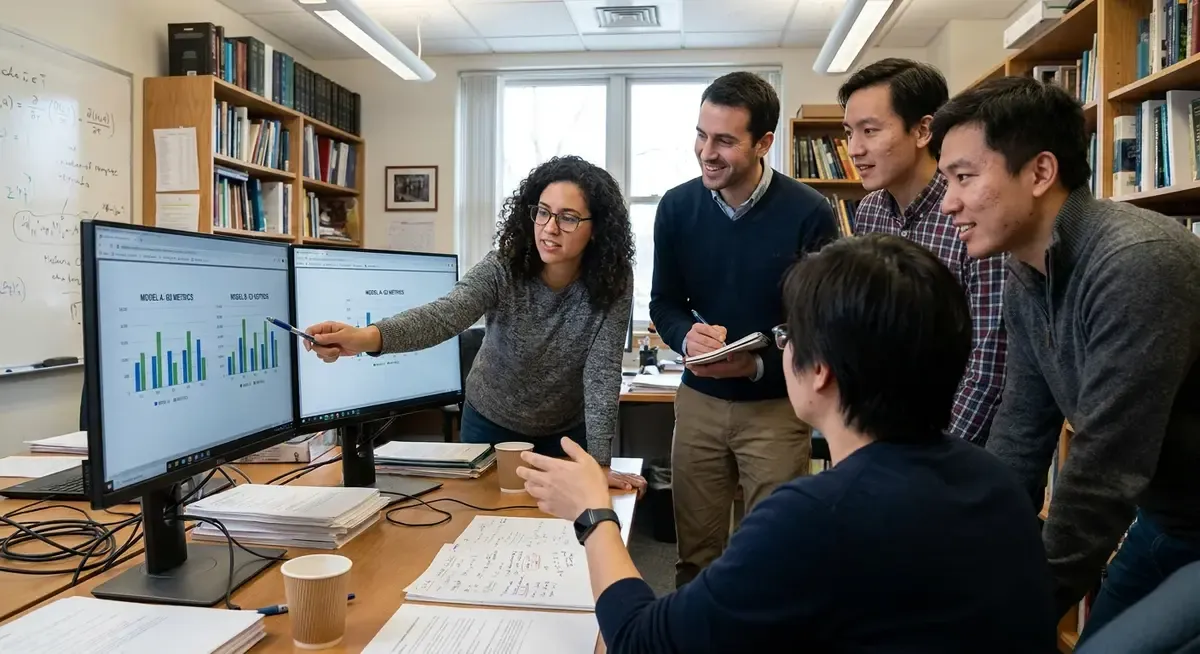
OpenAI put a new number on the board for GPT-5.6 Sol on ARC-AGI-3, the logic benchmark that Anthropic's Claude Opus 5 rattled a few weeks ago by quadrupling the previous record.

Upload a 200-page PDF into Claude and the price tag doesn't stop at that first exchange. Every follow-up question resends the whole document to the model again, because the conversation history gets re-transmitted on each turn.

Laura Brooke Robson started writing her novel "Love Is an Algorithm" last year with a strange new worry: sounding too much like a chatbot.

Anthropic's newest AI system spent 60 hours and roughly $100,000 in API costs finding a mathematical weakness in a cryptographic scheme still under review by the U.S. government.

Reddit users spent the weekend typing "site:claude.ai/share" into Google and finding more than they bargained for.

Ask ChatGPT for a paragraph "in the style of Stephen King" this week and you'll get turned down.
OpenAI has been sifting through its own product logs for clues about how work is actually changing, and the company thinks it has found one.
Judge Amit Bansal of the Delhi High Court denied Asian News International's bid for a preliminary injunction against OpenAI on Friday, closing off, for now, an attempt by one of India's biggest news agencies to stop ChatGPT from using its content.
Type "site:claude.ai/share" into Google and, until recently, you'd have pulled up thousands of private conversations users had with Anthropic's chatbot.

Black Forest Labs released FLUX 3 on Thursday, and it's the first model in the FLUX line trained to generate video, audio and robot action prediction from a single set of weights. Previous FLUX releases stuck to still images.

Induction Labs put a number on video compression last week that's worth sitting with: 2.2 kilobytes per frame.

OpenAI's own safety team labeled GPT-5 high-risk last summer, worried the model could walk someone with no scientific background through building a biological weapon.

Claude Code has run largely unchallenged as the default terminal coding agent since early 2025, long enough to pick up mature tooling, VS Code integration, and a community that knows its quirks.
Learn to build AI-powered apps without coding. Our comprehensive review of No Code MBA's course.
Curated collection of AI tools, courses, and frameworks to accelerate your AI journey.
Get the week's most important AI news delivered to your inbox every week.