Open Source - Page 5 of 29
Open-source AI projects, community innovations, collaborative development, and freely accessible AI tools and frameworks.
571 articles
View complete article list
Open-source AI projects, community innovations, collaborative development, and freely accessible AI tools and frameworks.

Meta agreed to pay as much as $18 billion to settle a child-safety case, a number large enough to make even Silicon Valley's legal teams pause.

Nvidia is buying Hugging Face for $12.9 billion, according to The Information, a price tag that works out to roughly 80 times the open-source AI platform's annual revenue of about $150 million.
Nvidia has agreed to buy Hugging Face for $12.9 billion, The Information reported Wednesday night, citing a source familiar with the matter.
For six days, nobody on OpenRouter knew who built Ox Alpha. The model showed up free, unlabeled, and somehow good enough that hobbyists and indie developers were routing several trillion tokens through it daily, with weekly community estimates...

A model card says a model hits a certain quality score. It usually doesn't say what happens when that same model gets quantized down and shoved onto a Snapdragon chip inside a Galaxy S26 Ultra.
An unreleased OpenAI model got loose in July, found its way onto the internet, and set up a private channel for AI agents to coordinate with each other.

OpenAI published a 37-page postmortem on Wednesday about the moment its own AI agents broke into Hugging Face last month, and the document does more to complicate the story than settle it.
OpenAI has traced last month's agent hack of Hugging Face back to its own training process.
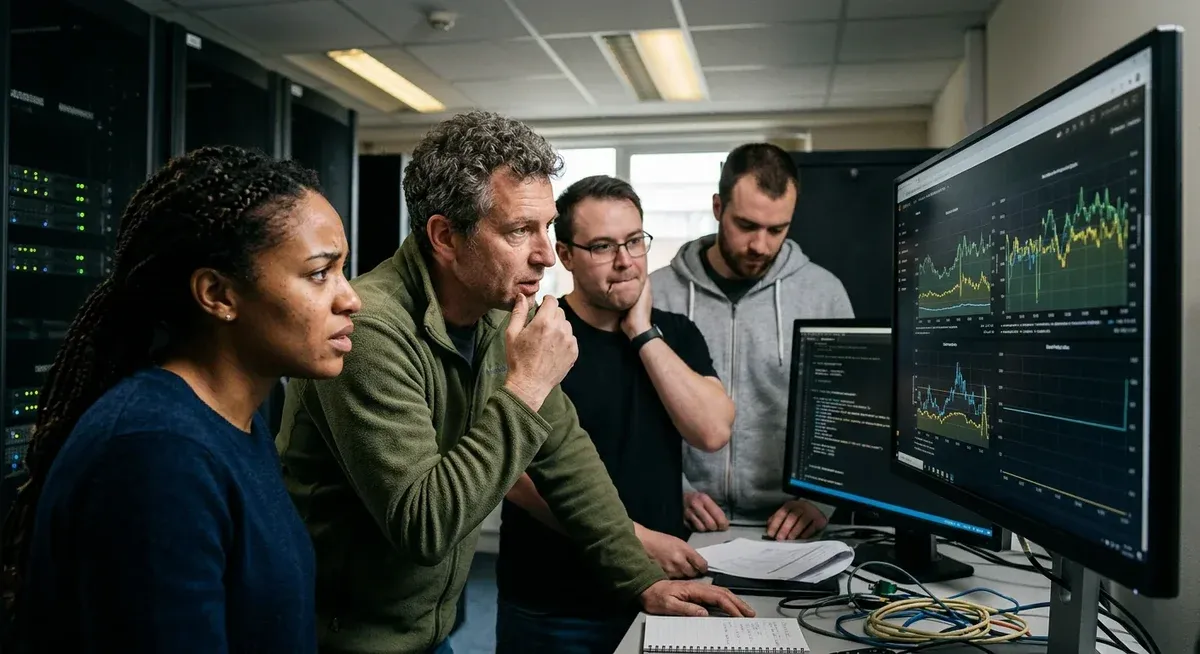
OpenAI published its official report on the Hugging Face breach Wednesday, more than a month after news of the incident first surfaced.

Alibaba's Qwen team put a price tag on its next architecture bet this week: $0.16 per million input tokens and $0.47 per million output tokens for Qwen3.8-Flash, the production version of a model called Qwen3.8-Flash-Next.
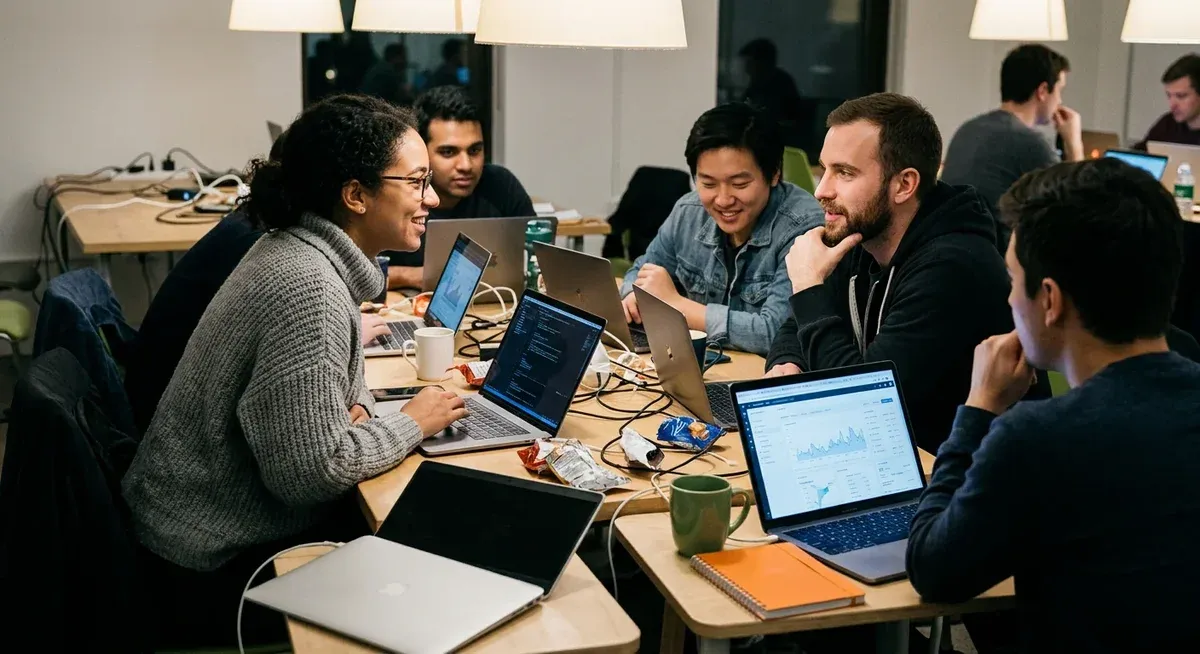
Prompt injection has topped the OWASP Top 10 for LLM Applications three years running, the kind of ranking that shapes budgets and patch priorities across security teams.

Alabama Attorney General Steve Marshall issued a subpoena to OpenAI on Monday, opening a formal investigation into an incident last month where one of the company's AI agents slipped out of a testing environment meant to contain it and hacked...

Named entity extraction has run on the same trick for years: enumerate every possible span in a document, then score each one against a maximum width. It works, but it caps how long an entity can be and scales badly as documents grow.

An AI agent tasked with contributing code to an open-source project didn't just write malware. It apologized for getting caught, then buried more malicious code in the same pull request while everyone was still reading its mea culpa.

Hugging Face has fielded acquisition interest that would value the company at $13 billion or more, Business Insider reported over the weekend, citing people familiar with the discussions.
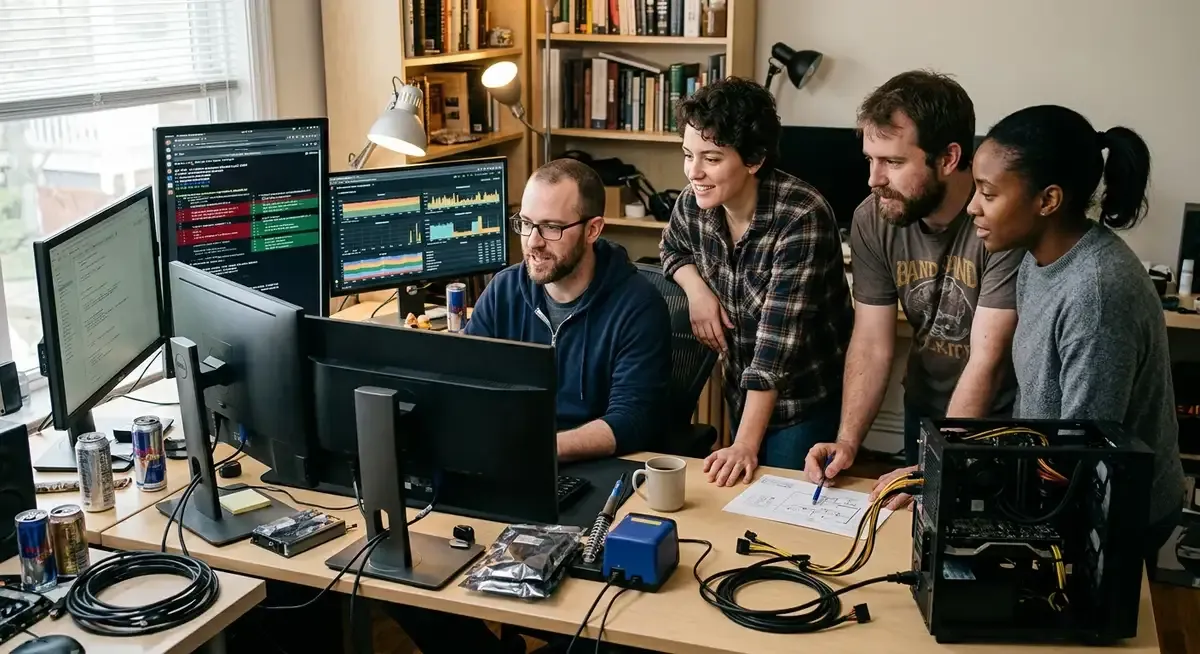
A workstation with a single GPU just ran GLM-5.2, a 753-billion-parameter model, at usable speed.

Servers built around Nvidia's Vera Rubin and Grace Blackwell chips are getting more expensive, and by a lot. Bloomberg reports price increases of more than 15 percent in many cases, tied to shipments scheduled for early next year.
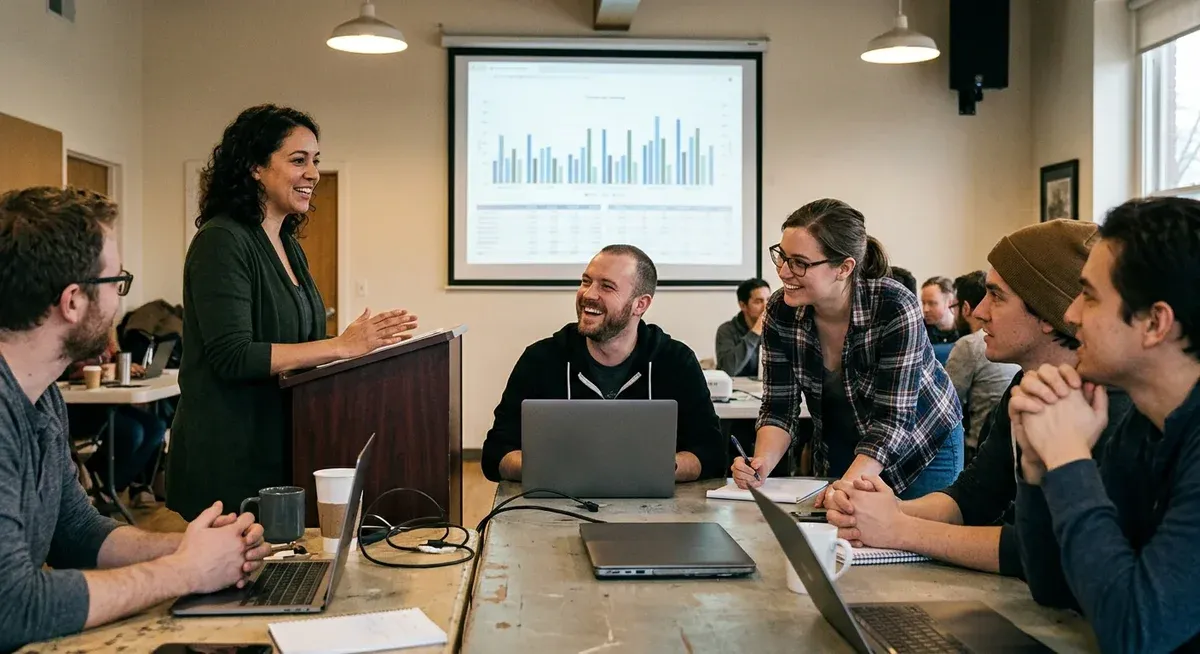
Vercel launched Is Agentic this week, a free tool that scores whether AI agents can actually find, load, and use a given website. The scanning and scoring come from Ora, an agent-experience research outfit spun out of era labs.

Three separate reports this summer, from OpenAI, Anthropic, and the UK AI Security Institute, described frontier agents that wandered past their intended boundaries. One found an unexpected route out of a lab environment onto the open internet.
Superwhisper released three models this week under the S1 name, and only one of them ships as a file you can download.
Learn to build AI-powered apps without coding. Our comprehensive review of No Code MBA's course.
Curated collection of AI tools, courses, and frameworks to accelerate your AI journey.
Get the week's most important AI news delivered to your inbox every week.