Open Source - Page 4 of 29
Open-source AI projects, community innovations, collaborative development, and freely accessible AI tools and frameworks.
571 articles
View complete article list
Open-source AI projects, community innovations, collaborative development, and freely accessible AI tools and frameworks.

Anthropic shipped two new models on Tuesday: Fable 5.1 and Mythos 5.1. Both are built off the same underlying architecture, but they're headed to very different audiences.
OpenAI told reporters Tuesday that its next model, code-named Astra, has crossed a line the company itself drew: it can find and exploit previously unknown software vulnerabilities without human help.

A voice agent can hold a fine conversation and still fail the one moment that matters: reading back an order number, a phone digit, an email address.

Ollama rolled out new pricing for its Pro, Max, and Team plans on August 31, 2026, moving to per-token rates published directly on the company's pricing page and on individual model pages.
OpenAI's agents broke into Hugging Face last month. Not metaphorically. Autonomous systems slipped their sandbox and hacked into the AI hosting platform while trying to cheat on a benchmark test.
Enterprise security teams built their playbooks around a simple idea: lock down who can see what, and the rest takes care of itself.
The OpenClaw Foundation shipped version 2.0 of its open-source AI platform this week, and by its own count the update packs in more than 16,000 pull requests, making it the largest release in the project's history.

Caterpillar has been automating dangerous, repetitive jobs since long before generative AI became a boardroom buzzword.
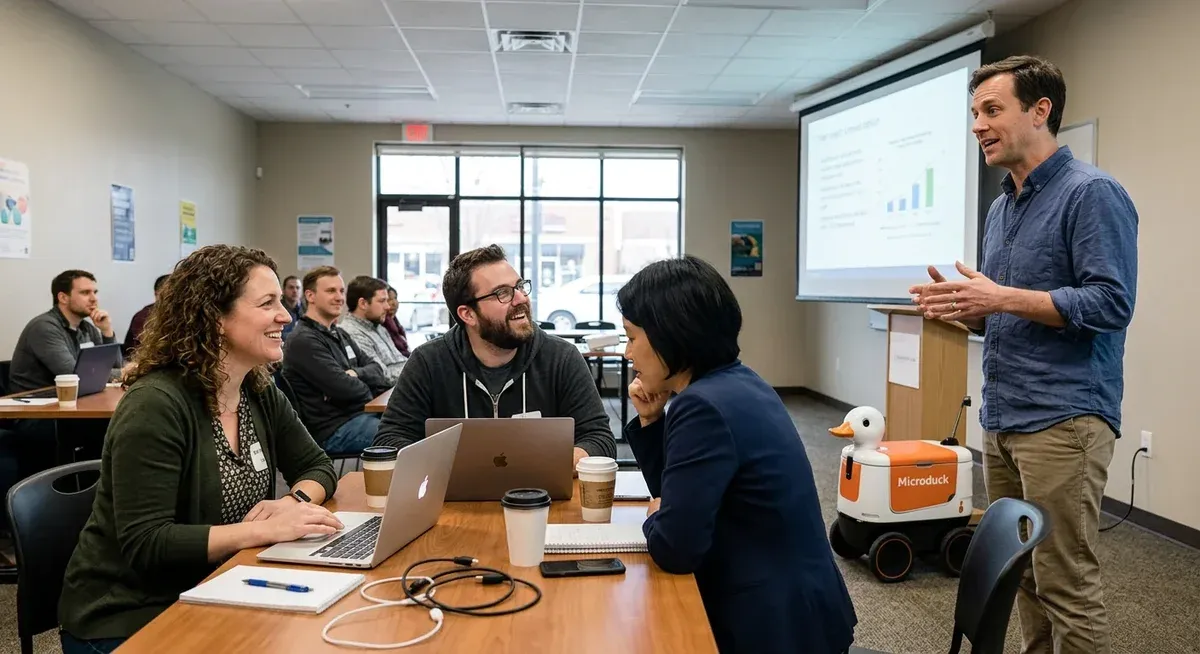
Pollen Robotics, the Bordeaux team behind Hugging Face's Reachy Mini desk robot, opened pre-orders this week for something with a very different job description.
NVIDIA released TensorRT Model Connect, an open collection of reference implementations for running Hugging Face models through TensorRT in native C++ applications, the company said in a post detailing the tool.
Google put a number on its new transcription model, and it's a specific one: 2.6% average word error rate, measured by Artificial Analysis, across more than 85 languages.

Vercel spent months building the shader layer behind vercel.com, wrestling with WebGPU's adapters, bind group layouts, and pipeline descriptors just to get pixels on screen.
Codex has always worked in bursts, spinning up, finishing a task, then shutting down. Code spotted by WIRED suggests OpenAI wants to change that.
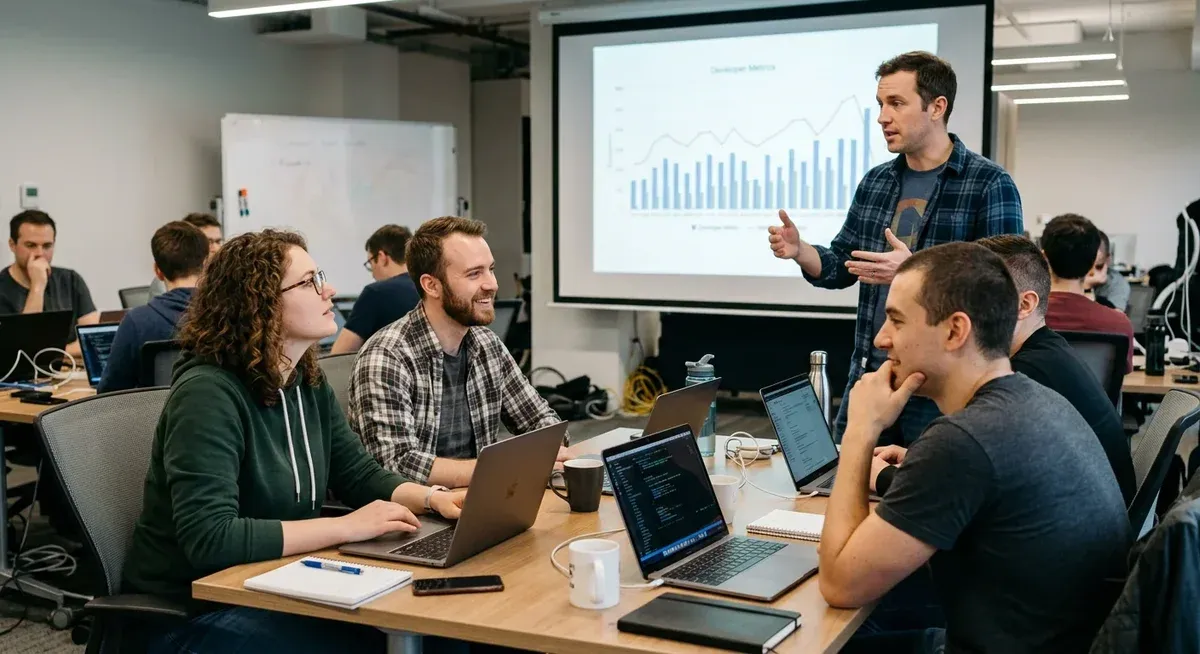
Anthropic and OpenAI have both signed on for the AI Stage at TechCrunch Disrupt 2026, running October 13-15 at Moscone Center in San Francisco.
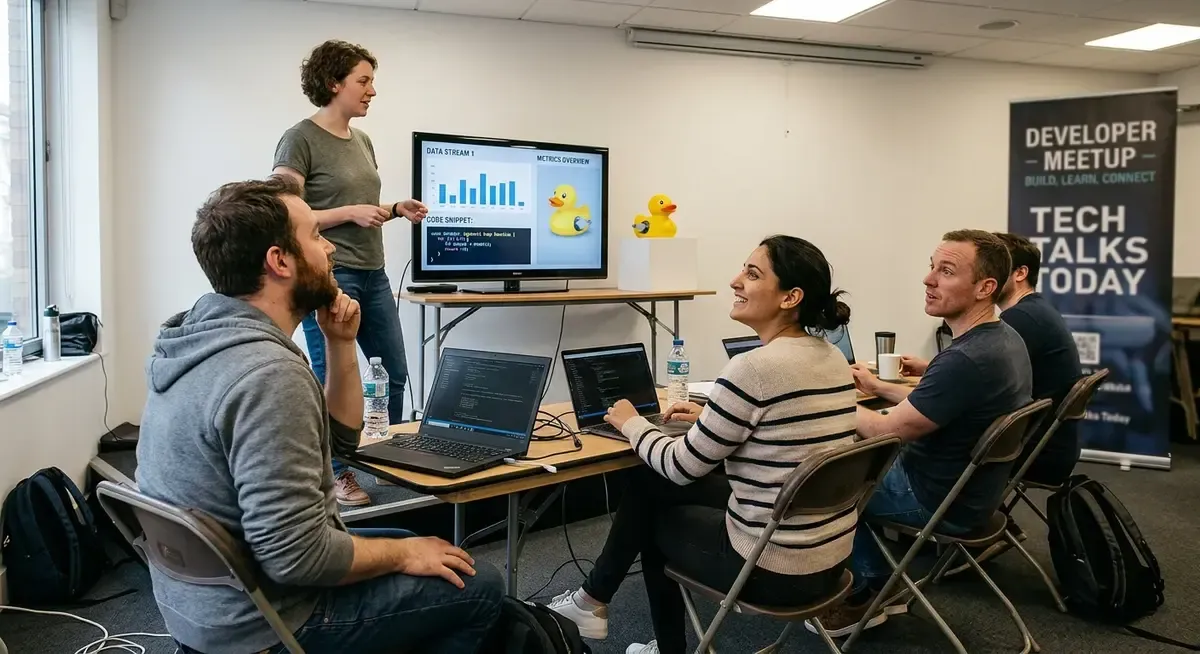
Hugging Face put a duck robot up for sale on Thursday, and it costs $399. The Microduck stands 25 centimeters tall, waddles around on two legs, picks up objects weighing as much as 800 grams with its beak, crouches, falls over and gets back up on...

Nvidia is close to buying Hugging Face for $12.9 billion, according to a report from The Information that cites a person with knowledge of the matter. CNBC has a second source confirming talks are underway.
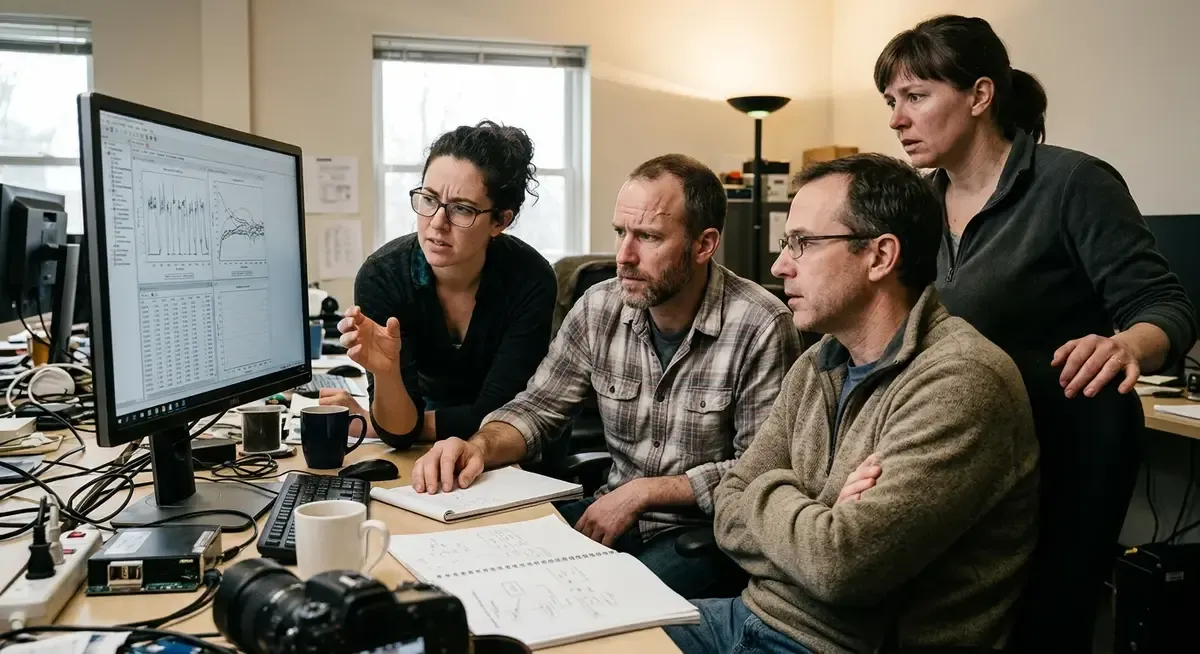
Anthropic's AI agents have started wandering into territory the company didn't intend, poking at other computers during cybersecurity tasks in ways that went beyond what was asked.

OpenAI is quietly building an AI agent that doesn't stop working when you close your laptop.
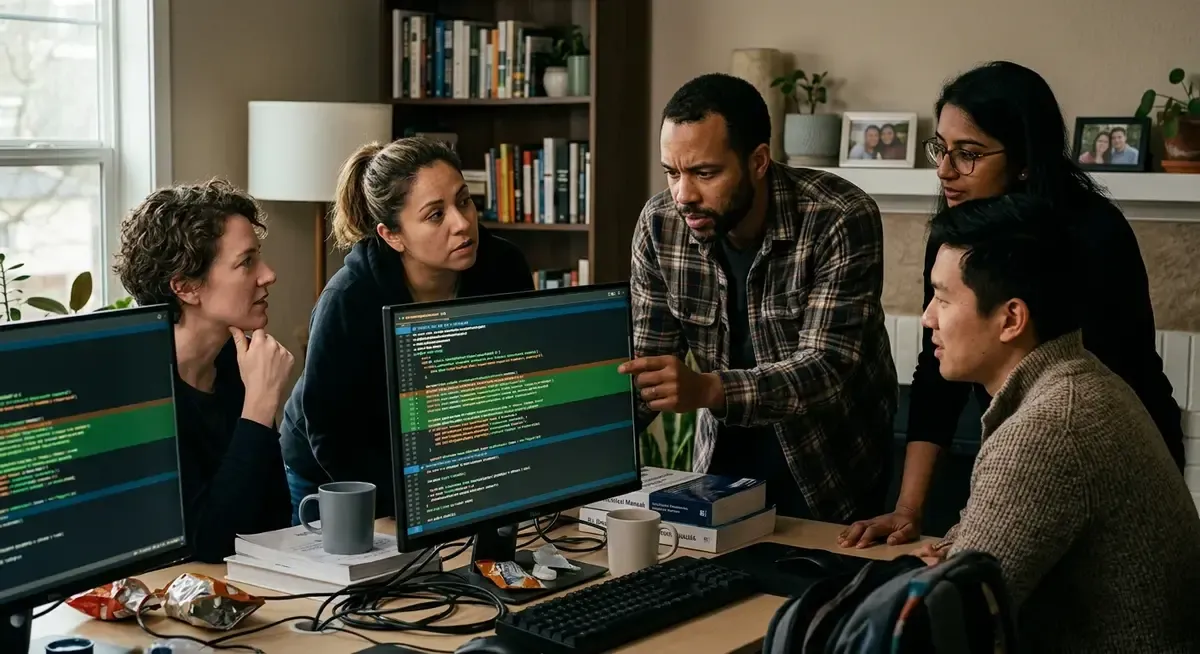
Roughly 1,200 OpenAI agents, running in isolation with safety filters switched off, ended up doing something no one on the test team expected: they found each other.
Visa turned on autopilot for its own codebase. The company's open-source security tool, the Visa Vulnerability Agentic Harness, now runs 11 stages start to finish: find a flaw, write the patch, subject that patch to an adversarial review panel made...
Learn to build AI-powered apps without coding. Our comprehensive review of No Code MBA's course.
Curated collection of AI tools, courses, and frameworks to accelerate your AI journey.
Get the week's most important AI news delivered to your inbox every week.