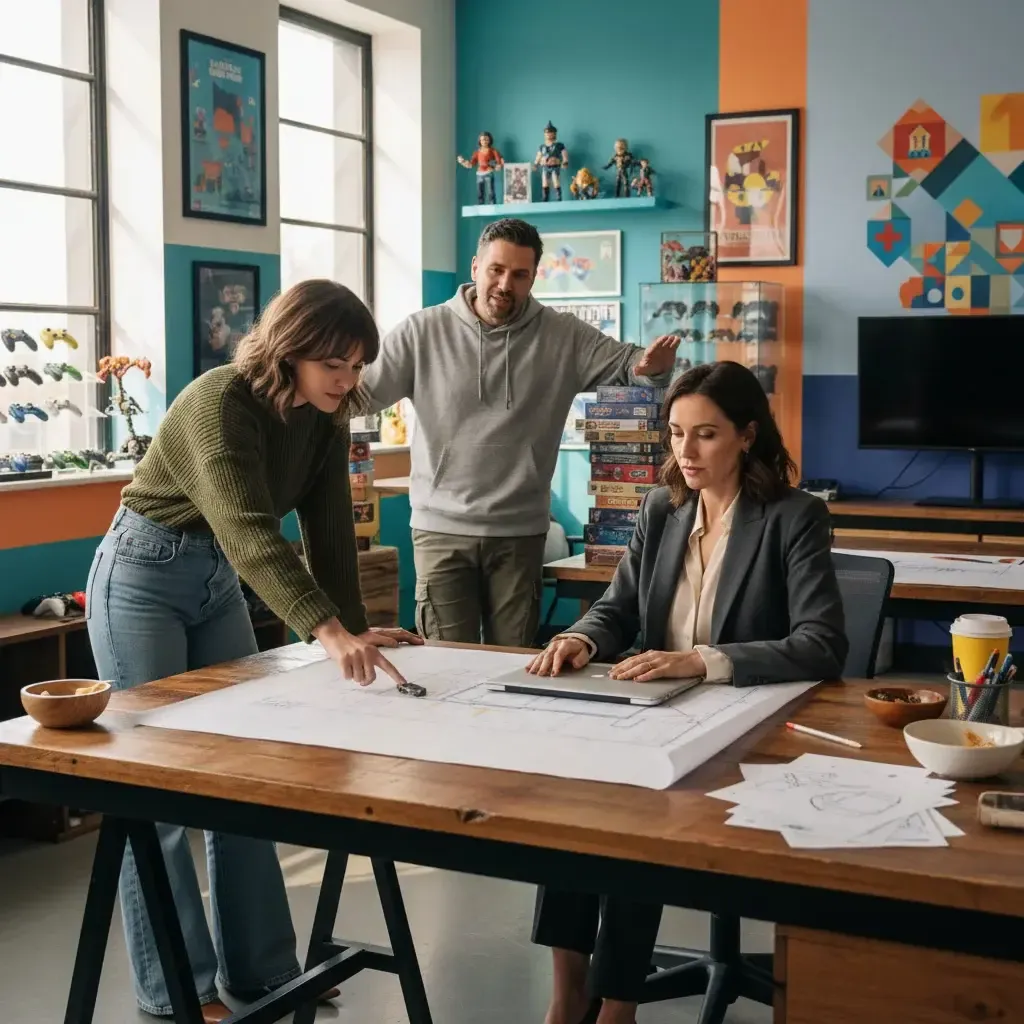
Editorial illustration for AI frees time of laid‑off workers as studios seek actors to replace theater kids
AI frees time of laid‑off workers as studios seek actors...
The promise was always free time. Your life, returned. Then the layoffs at animation and effects studios hit.
Now, as those same companies audition actors before an AI can do it cheaper, the irony is a tangible thing. Those former workers got their freedom. They just didn't get a paycheck for it.
Empty hours don't cover rent.
At least AI has freed up the time of these fired workers? I'd say good luck to them in Hollywood, especially because they're trying to replace newly minted theater kids with AI-generated actors. There's a sinister tone lurking beneath some of these advancements in productivity, because the response to increased productivity has been one of the biggest scams of the past century.
Well before consumer AI entered the scene, productivity exploded while wages failed to keep pace. Nobody is working less, they're just earning less. And as more AI-related companies reap trillions in valuation, the current US regime is looting the social safety net -- the kind that must exist if we're all going to become out-of-work theater kids.
You simply can't look at these things separately. If the end result of private companies optimizing the workforce means nobody has to work, then we have to live in a society where people can still have a roof and a meal. Is anyone confident that will happen while leaders are cutting SNAP benefits while building taxpayer-funded ballrooms?
What good is an AI assistant that can help you plan a fun day if you can't actually afford any free time in your life? There has always been resistance to new advancements -- so much so that the term "luddite" is still potent 200 years after English textile workers revolted against automation in their industry. The AI backlash is genuine, well-informed, and well-argued.
Nonetheless, some of those new neat tricks are fun and maybe even pretty useful in our personal lives. But I can't imagine that paying $99 a month to send emails, make calendar appointments, and create spreadsheets is a promising vision of the future or even a good return on investment.
So the new actors wait for a break. The old ones wait tables. This is the path to leisure we're sold.
Yet we cling to our desks, paying subscriptions for tools that just make us more productive for someone else's bottom line. Look at the data: U.S. productivity soared 61.8% since 1979.
Hourly pay grew just 17.3%. That's the real, decades-old scam. The AI chapter is just a prequel.
It will give us dazzling personal organizers. It will not build a society where free time is anything but a liability. The promise is hollow by design.
The vacuum is where the profit gets sucked. Every time.
Related Reading
 Open Source
 D&B rebuilds 642 million‑business database after AI agents hit limits
 Open Source
 Box CEO Aaron Levie Says AI Will Drive "Biggest Cybersecurity Upgrade
 Open Source
 Study: 6.7% of Deepfake Requests on Hugging Face Targeted Children
 From Archives
 Trump signs first major AI regulation order of second term, cites Anthropic
 From Archives
 AI‑generated auth code can pass tests but hide bugs that emerge months later
Common Questions Answered
Why are animation and effects studios auditioning actors instead of using AI directly?
Studios are seeking actors to replace theater kids as a cost-saving measure, using AI to evaluate and potentially replace these performers before the AI itself does the work. This approach allows companies to reduce labor costs while still maintaining some human involvement in the initial stages of production.
What is the irony described in the article about AI freeing workers' time?
The article highlights that while AI was promised to give workers their lives back and provide free time, laid-off animation and effects workers have gained empty hours without paychecks, making their newfound freedom economically unsustainable. The irony is that the freedom promised by AI technology comes at the cost of unemployment and inability to pay rent.
How does the article connect U.S. productivity growth to the AI labor displacement issue?
The article points out that U.S. productivity has soared 61.8% since 1979 while hourly pay grew only 17.3%, demonstrating a decades-old pattern where workers' productivity gains don't translate to higher wages. This historical data suggests that AI-driven productivity increases will likely follow the same pattern, benefiting company bottom lines rather than workers.
What does the article suggest about the relationship between AI tools and worker productivity?
The article argues that AI tools like personal organizers make workers more productive, but this increased productivity primarily benefits employers' bottom lines rather than workers themselves. The article criticizes the cycle where people pay subscriptions for productivity tools that ultimately make them work harder for someone else's profit.
Further Reading
- Artists are losing work, wages, and hope as bosses and clients embrace AI — Blood in the Machine
- The rise of AI image generation is reshaping low-budget theater and indie film hiring — Blood in the Machine
- AI adoption, creative labor displacement, and the changing economics of studio production — Blood in the Machine
- How studios are using AI tools to replace human creative labor in production workflows — Blood in the Machine
- Marvel Is Replacing Us With AI, Evangeline Lilly Goes Off On Disney After 1,000 Employees Laid Off — YouTube
