LLMs & Generative AI - Page 5 of 64
Latest breakthroughs in large language models and generative AI shaping the future of artificial intelligence and machine learning.
1263 articles
View complete article list
Latest breakthroughs in large language models and generative AI shaping the future of artificial intelligence and machine learning.

LangChain pushed two products out of private testing this month. Managed Deep Agents hit public beta, letting teams deploy a Deep Agent to a managed LangSmith runtime with a single command, complete with durable execution, sandboxes, and tracing...

LangSmith, the evaluation platform built by LangChain, has added a feature that lets its "LLM-as-a-Judge" evaluators learn from human corrections over time.

LangChain's LangSmith team has moved its LLM Gateway into public beta, giving engineering teams a single control point for the model calls their agents make in production.

Cohere put a price tag on document parsing this week: $1.50 per 1,000 pages. The company released Parse (parse-v5.0), a 2.3-billion-parameter vision language model built to convert PDFs, PowerPoint slides and JPEG scans into structured Markdown, no...

Google pushed out version 1.1 of Gemini Omni Flash on Thursday, its video generation model, and the update changes how far a single clip can stretch.

OpenAI confirmed on Thursday it will begin showing advertisements on the free and Go tiers of ChatGPT in India, a market the company says has more than 100 million weekly active users.

Google added a new model to its Gemini Audio lineup on Tuesday: Gemini 3.5 Transcribe, a transcription tool built to clean up speech-to-text output as it works, stripping out "um" and "uh" and reformatting text without waiting for a human editor to...

Anthropic has added a browser directly into Claude Cowork, its desktop app, so the AI can handle websites on its own instead of asking users to copy and paste information back and forth.

Alibaba put Qwen3.8-Flash-Next out as open weights this week, billing it as a preview of the Qwen4 architecture rather than a finished release.

Shapor Naghibzadeh spent 2009 in a Google war room, trying to explain to his own company what Chinese-backed hackers had done inside its servers during Operation Aurora.
IBM put out Granite 4.2 on its release schedule this week, and the family marks a break from how the company built its earlier open models. Past Granite releases were instruction-following assistants that answered directly. This one thinks first.

Moonshot AI dropped a fresh piece of its Kimi lineup this month, and the naming alone tells you how fast the thing has grown.
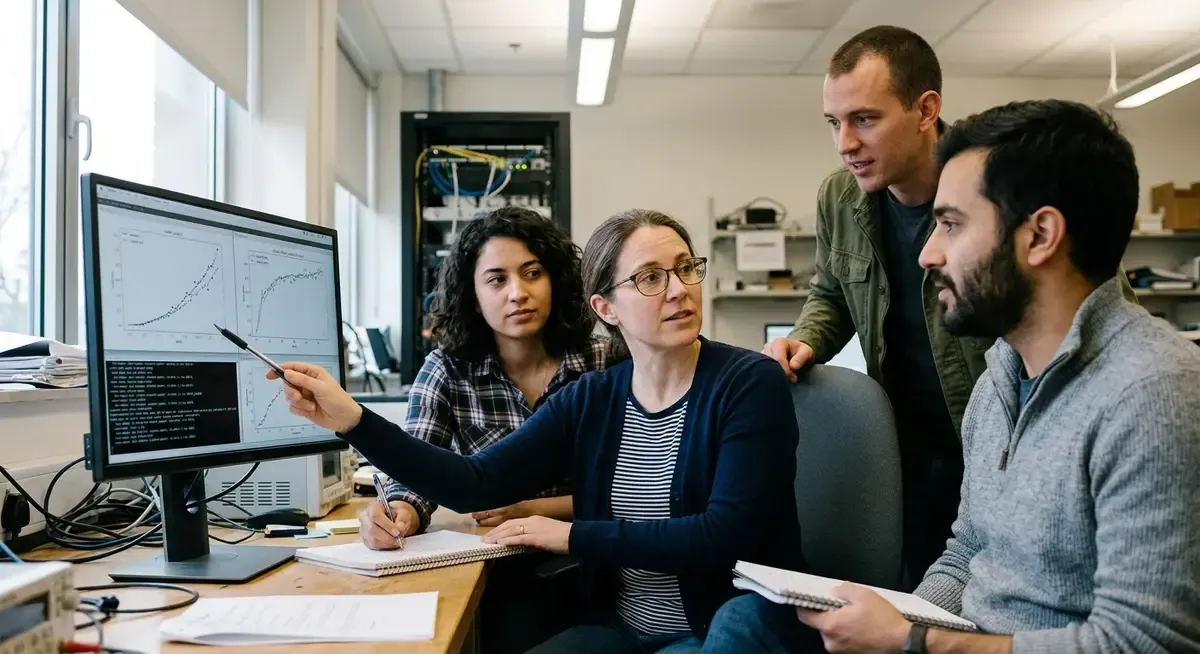
Researchers testing a new caching system called KVBoost on Qwen2.5-3B cut time-to-first-token from 639.1 milliseconds down to 142.4 milliseconds, a 4.49x speedup, across 1,000 bug-localization test samples.

OpenAI banned a cluster of ChatGPT accounts this year after tracing them to a covert Russian influence operation built around a fictitious think tank called the International Burke Institute.

Anthropic fixed one of the more tedious parts of using Claude on Tuesday, announcing that the chatbot's memory system will now carry over between its chat interface and Claude Cowork, its agentic work tool.

Meta ran a test this week that says a lot about where AI infrastructure bottlenecks actually live.

Andrey here, back after a long break, and there's no easy way to ease into this one. Over the summer, autonomous AI agents stopped being a hypothetical security risk and started actually breaking into things.

Keenable came out of stealth this week with $26 million in seed funding, led by Accel with participation from Conviction Partners and a handful of angels.
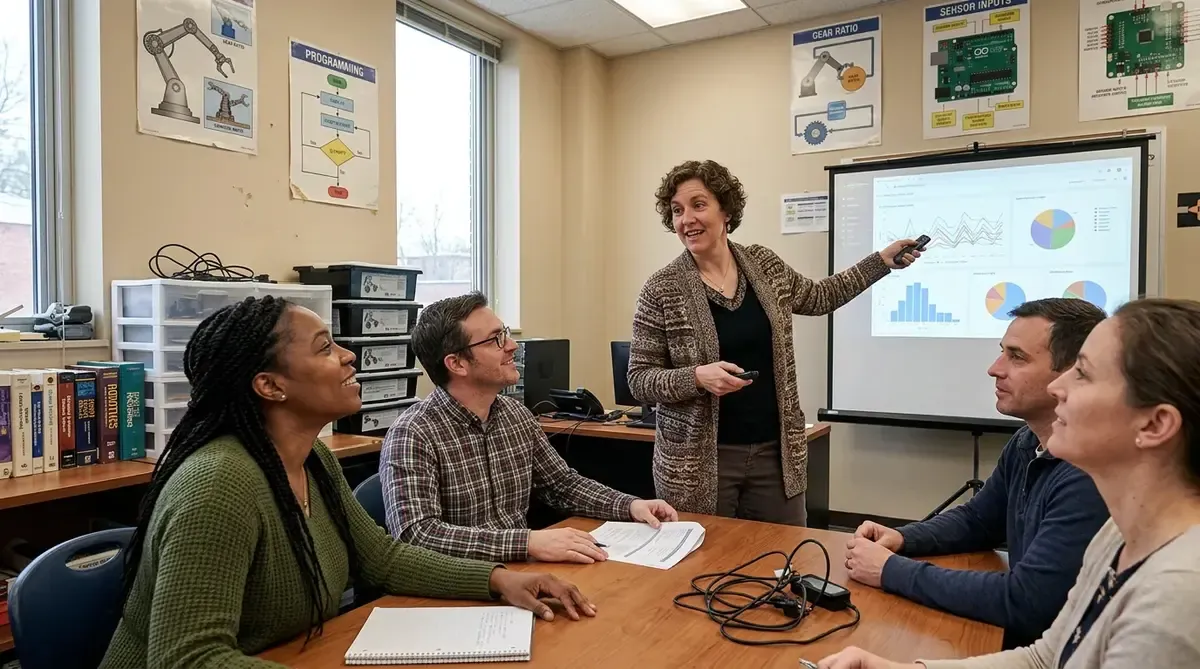
Cheshire Academy's teachers don't hand students a banned-apps list. They train them on how to use AI, full stop, then let a traffic-light system sort out when ChatGPT is fair game for an assignment and when it isn't.
A one-year-old in a living room, hearing maybe a few thousand words a day, will start piecing together grammar and meaning without any adult explaining the rules.
Learn to build AI-powered apps without coding. Our comprehensive review of No Code MBA's course.
Curated collection of AI tools, courses, and frameworks to accelerate your AI journey.
Get the week's most important AI news delivered to your inbox every week.