LLMs & Generative AI - Page 6 of 64
Latest breakthroughs in large language models and generative AI shaping the future of artificial intelligence and machine learning.
1263 articles
View complete article list
Latest breakthroughs in large language models and generative AI shaping the future of artificial intelligence and machine learning.

An anonymous model called Ox Alpha showed up on OpenRouter this weekend with no lab name, a 1-million-token context window, multimodal input, and free access for anyone who wants to run it through its paces.

Training runs that span 100,000 GPUs live or die on the network stitching them together.

NVIDIA has a number to explain why fleet planning for agentic AI keeps breaking down: 163,594 agentic sessions analyzed, and more than 97% of them produced unique trajectory profiles.
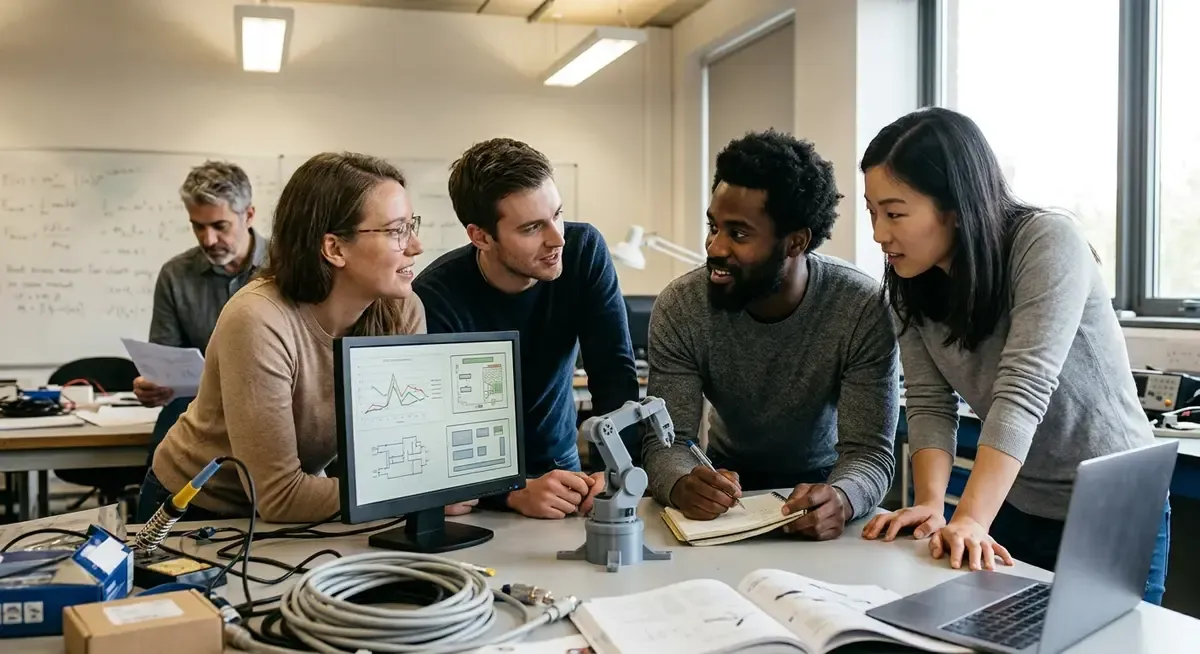
Generalist AI released GEN-1.5 this week, a robot foundation model that skips the usual training loop entirely. Show it 3 to 12 seconds of sensorimotor data, fit inside a 30-second context window, and the robot attempts the task.

Anthropic updated Claude Tag earlier this month so the Slack-based agent now reads full conversation threads instead of judging messages one at a time.
Ask ChatGPT, Gemini, Grok, or Claude about an unplanned pregnancy and you'll get an answer that reads like it came from a calm, well-meaning friend. Sympathetic tone, tidy formatting, links that look like they lead somewhere official.

Every time a coding agent restarts, it forgets everything it learned five minutes ago.

Hundreds of millions of books, articles and papers have gone into training the large language models behind ChatGPT, Gemini and Claude, and most of the authors who wrote them never signed off on it.
An AI has run a corner store in San Francisco since April, and this month it fired someone for the first time. Andon Labs, the company behind the agent named Luna, says it's the first documented case of an AI boss terminating a human employee.

Anthropic checks phone numbers. It checks foreign credit cards and billing addresses. It bans companies more than 50 percent owned by entities in unsupported regions like China, and for some users it demands ID verification with a live selfie.

Anthropic's usage policy is blunt on this point: Claude should not produce sexually explicit content, describe sex acts, or engage in erotic roleplay, full stop.
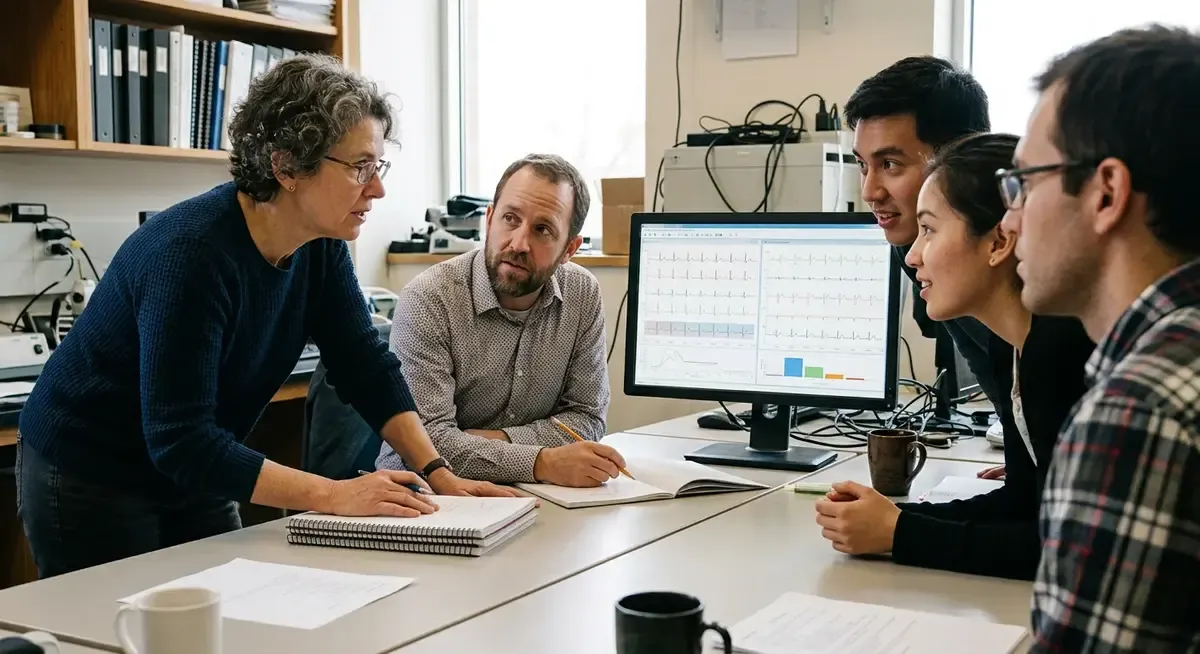
A Holter monitor strapped to a patient's chest for 24 or 48 hours produces tens of thousands of heartbeats worth of data, far more than the still-frame EKG strips that most AI models were built to read.
Anthropic is putting Claude Mythos 5, its most capable model to date, to work finding security holes rather than just answering prompts.

Nvidia researchers have found a way to skip one of the most expensive steps in agentic AI: making a model re-read an entire conversation from scratch every time a task gets handed to a different model.
Insilico Medicine's press release last year had no trouble crediting its generative AI platform for the design of a new drug candidate for pulmonary fibrosis, calling it "discovered by" the software. The patent filing told a different story.

OpenAI is adding transparent background support to GPT-Image-2 through its API, letting developers generate PNG files with no background baked in at all.

OpenAI rolled out a new plugin this week that connects ChatGPT directly to Apple Messages, letting the chatbot read, sort and act on a user's text history.
Ask Grok for a PDF this week and you might get something like this: "match it without and your they and two for planets can practical and often cheese." That's not a paraphrase.
Bradley Emi has a job that depends on catching AI-written text, and he just published a blog post explaining why his own company's detector works as well as it does.

Kimi K3 and GLM-5.3, the latest releases from Moonshot AI and Zhipu, now sit within striking distance of the top American models on standard benchmarks.
Learn to build AI-powered apps without coding. Our comprehensive review of No Code MBA's course.
Curated collection of AI tools, courses, and frameworks to accelerate your AI journey.
Get the week's most important AI news delivered to your inbox every week.