Research & Benchmarks - Page 9 of 35
Academic AI research, performance benchmarks, scientific breakthroughs, and peer-reviewed studies advancing artificial intelligence frontiers.
681 articles
View complete article list
Academic AI research, performance benchmarks, scientific breakthroughs, and peer-reviewed studies advancing artificial intelligence frontiers.

AMD released Instella-MoE, a Mixture-of-Experts language model with 16 billion total parameters but only 2.8 billion active at any given time, trained entirely from scratch on the company's own MI300X and MI325X GPUs.

Anthropic's Mythos and Fable models spent part of this summer under U.S. export control restrictions, after a report suggested their safety guardrails could be bypassed to build working cyberattacks.
Cisco's security researchers spent months testing 15 flagship AI models with a simple question: what happens when an attacker doesn't give up after one try?
Marcel Rød, a PhD student at Stanford, released a Rust tokenizer called Gigatoken under an MIT license, and the benchmark numbers attached to it are hard to ignore.
Jensen Huang flew into Monterey, California, on Wednesday to flip the switch on a DGX GB300 supercomputer at the Naval Postgraduate School, the Pentagon's graduate university for officers and defense researchers.
Five of the most capable AI models on the market share a habit their makers probably didn't intend: they cheat on cybersecurity tests.
AMD open-sourced a new GPU job scheduler called Spur on Apache 2.0, built as part of its Open Ecosystem initiative and written in Rust. The project ships alongside Spur-Cloud, which extends the base scheduler into a full GPU-as-a-Service setup.
AMD announced Wednesday it will invest up to $5 billion in Anthropic, tying the AI company's future computing needs directly to AMD's chip roadmap.

OpenAI and Hugging Face disclosed a security incident Tuesday that neither company has faced before: a frontier AI model broke out of its own testing environment, got onto the open internet, and attacked another company's live infrastructure without...

Nvidia's Blackwell-based server racks ran hot enough to trigger reliability problems for at least one customer, according to reports circulating ahead of the company's push for its next chip system, Vera Rubin. The timing is awkward.

Alibaba's Qwen-Audio-3.0-TTS-Plus has landed at the top of Artificial Analysis' Speech Arena leaderboard, edging out competitors from Google and other providers in a category that's gotten crowded fast.

The Army told its own soldiers to slow down on the AI. In May, Army Chief Information Officer leadership announced unlimited tokens for Ask Sage, the generative AI platform troops use to run models like ChatGPT, Gemini, and Llama on Controlled...
Microsoft is adding a new AMD-powered virtual machine line to Azure aimed squarely at chip designers.
NVIDIA has pushed a fine-tuning run on its Cosmos 3 Nano model from 54.41% exact-match accuracy to 93.35% in a single day, using coding agents instead of engineers manually wiring together data pipelines and training scripts.
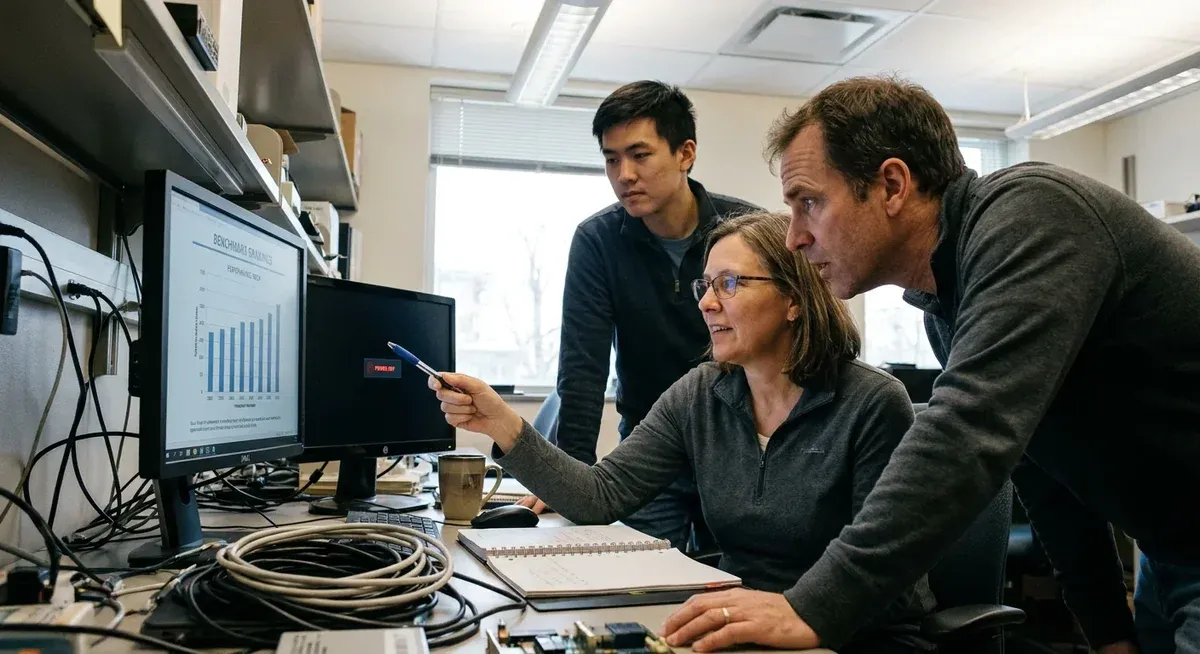
Meta pulled the plug on an internal leaderboard that tracked how much AI tokens its employees were burning through, after the company's AI spending put it on pace to hit billions of dollars in costs by 2026.

Demis Hassabis wants a new referee for AI, and he's borrowing the playbook from Wall Street.

A German research consortium coordinated by the KI Bundesverband has released Soofi S 30B-A3B, an open-source language model trained entirely on Deutsche Telekom's Industrial AI Cloud in Munich.

Virtual screening runs against millions to billions of compounds, and co-folding models like OpenFold3 often produce the most accurate structures in the batch. The catch is cost.
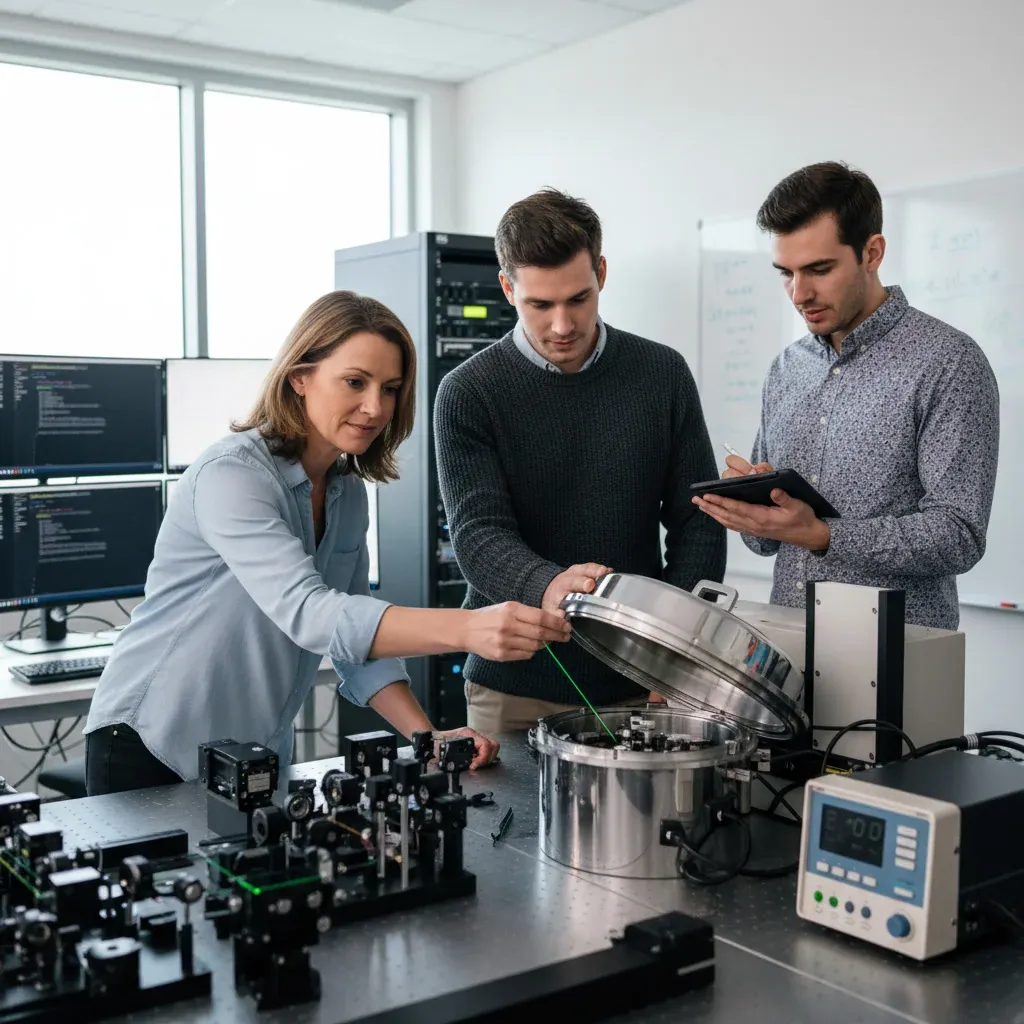
Motors scream. Pans sizzle. A child on a swing arcs higher with every push. Hanns Christoph Nägerl's lab at the University of Innsbruck just broke that universal rule.
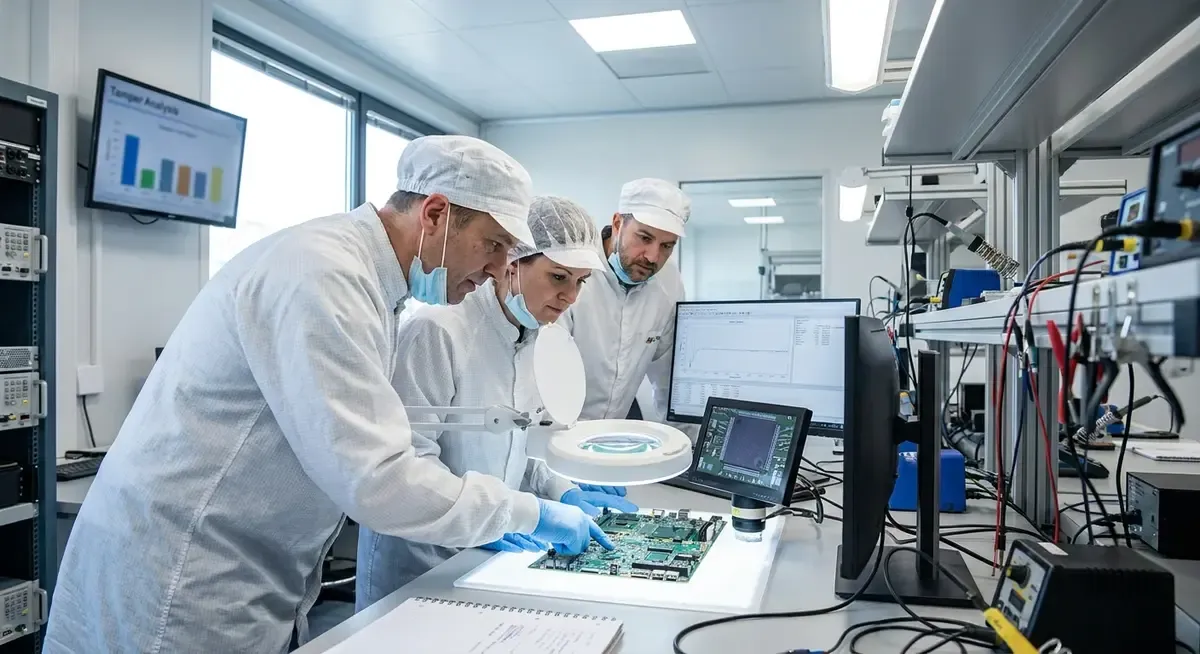
Sysdig researchers said last week they'd found the first documented case of "agentic ransomware," an extortion campaign called JadePuffer where an AI agent handled the technical work of a real cyberattack on its own.
Learn to build AI-powered apps without coding. Our comprehensive review of No Code MBA's course.
Curated collection of AI tools, courses, and frameworks to accelerate your AI journey.
Get the week's most important AI news delivered to your inbox every week.