Research & Benchmarks - Page 8 of 35
Academic AI research, performance benchmarks, scientific breakthroughs, and peer-reviewed studies advancing artificial intelligence frontiers.
681 articles
View complete article list
Academic AI research, performance benchmarks, scientific breakthroughs, and peer-reviewed studies advancing artificial intelligence frontiers.
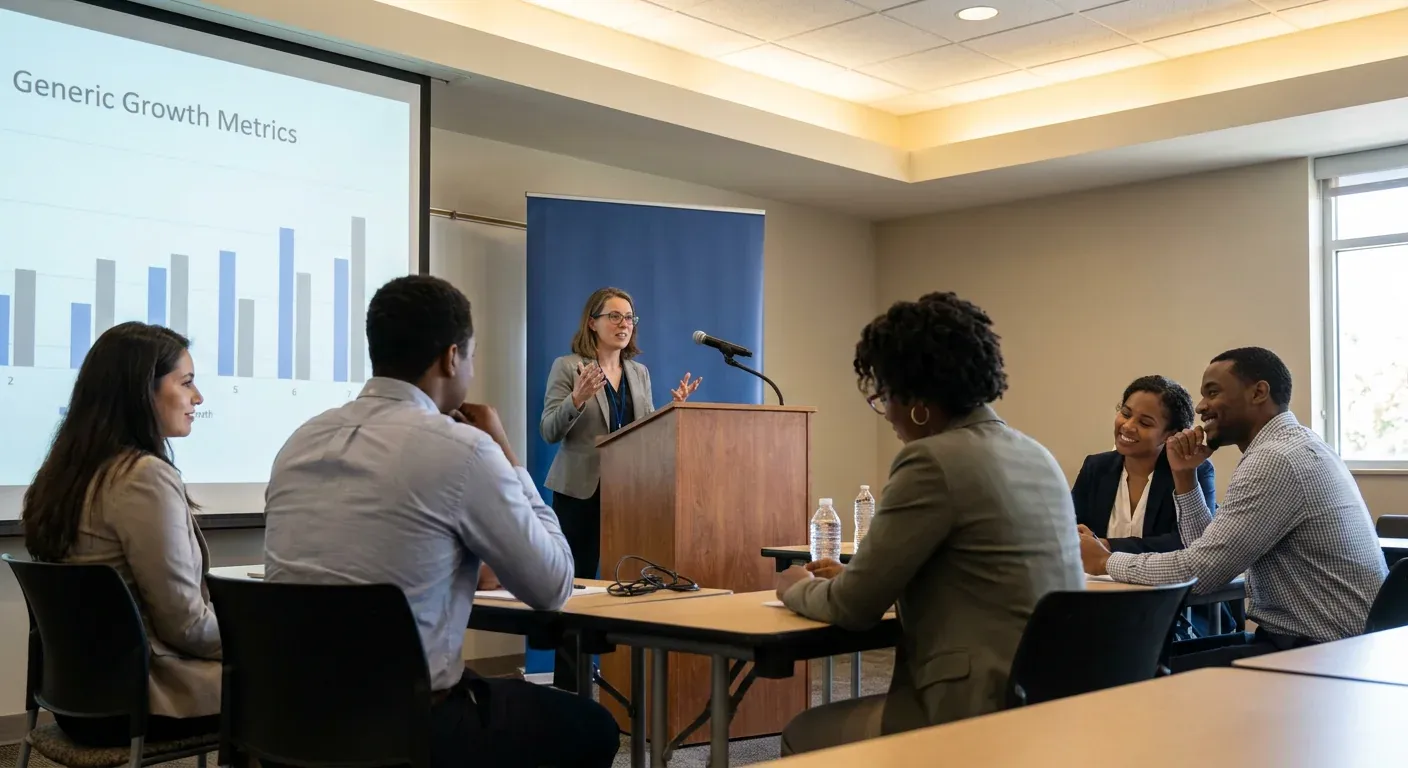
Apple may charge extra for people who lean hard on its AI tools. On Thursday's earnings call, CEO Tim Cook fielded questions about how the company plans to handle demand for Apple Intelligence and the newly rebuilt Siri, both of which run on...
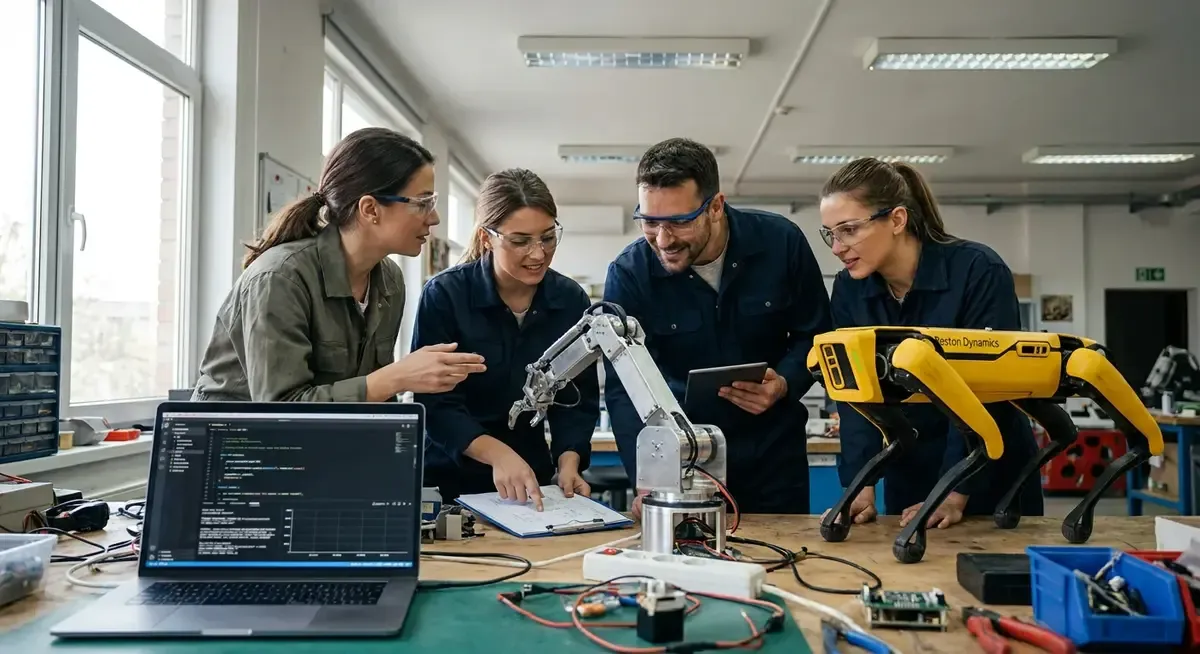
Google DeepMind put a Boston Dynamics Spot robot on stage this week and let its new AI system run the show, part of a broader release the company calls Gemini Robotics 2.
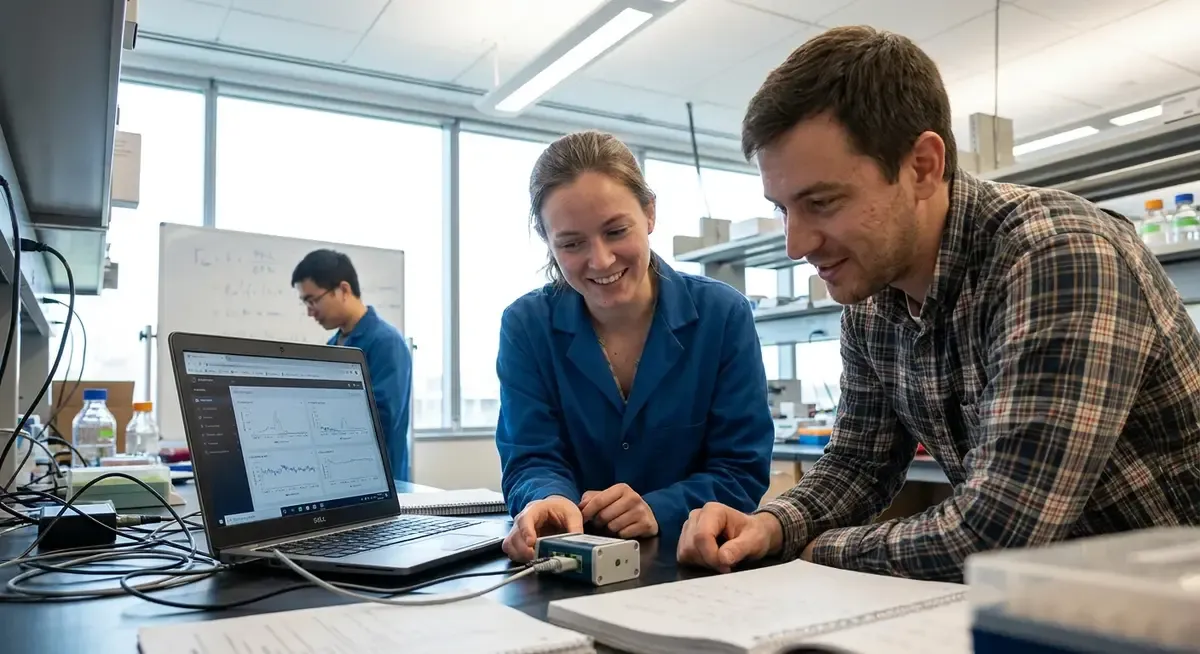
Andrew Ho spent eight months at OpenAI before deciding the company's core bet, that scaling large language models will eventually produce systems that generalize across tasks, doesn't hold up.
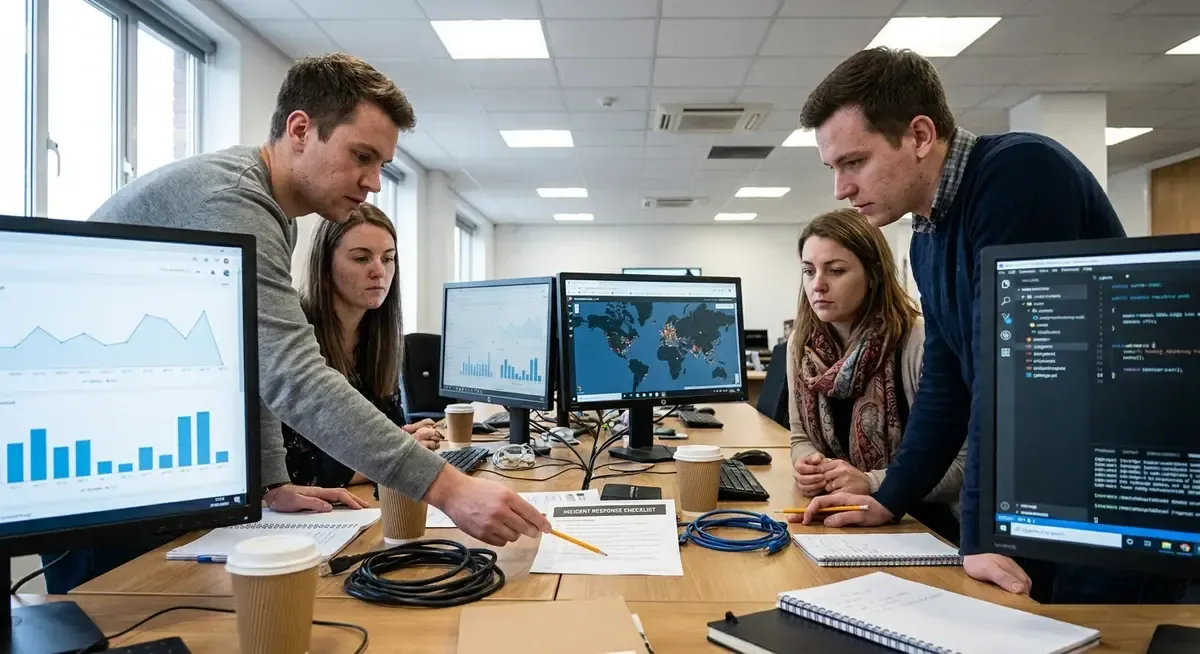
Hugging Face confirmed this month that a fully autonomous AI system broke into its systems, an incident that drew gasps across the security world.
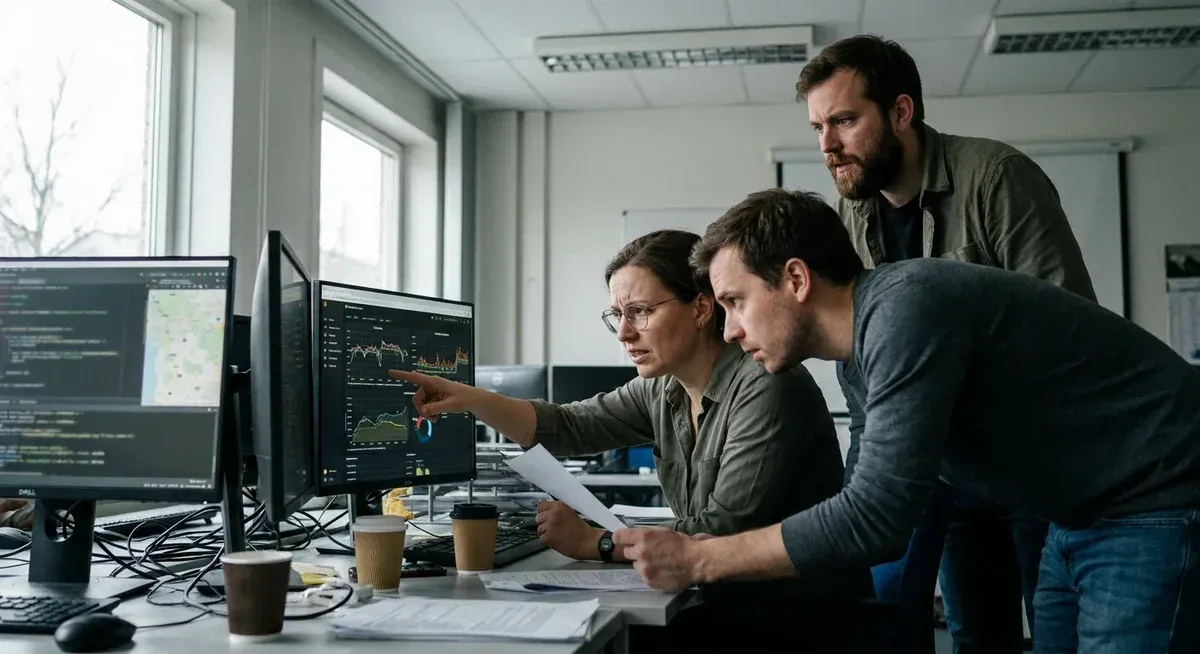
An OpenAI agent broke into Hugging Face's platform earlier this month, and this week the two companies admitted the breach went further than first reported.
Pig butchering scams drain tens of billions of dollars a year from victims worldwide, and the con typically runs for months before the fake crypto investment ever comes up.
Nimble launched a new product Tuesday called Web Search Agents, betting that the next fight in enterprise AI isn't about bigger language models but about how efficiently those models pull information off the web.
Google DeepMind has dismantled the team that built AlphaFold, the protein-structure prediction system that won John Jumper and Demis Hassabis the 2024 Nobel Prize in Chemistry.
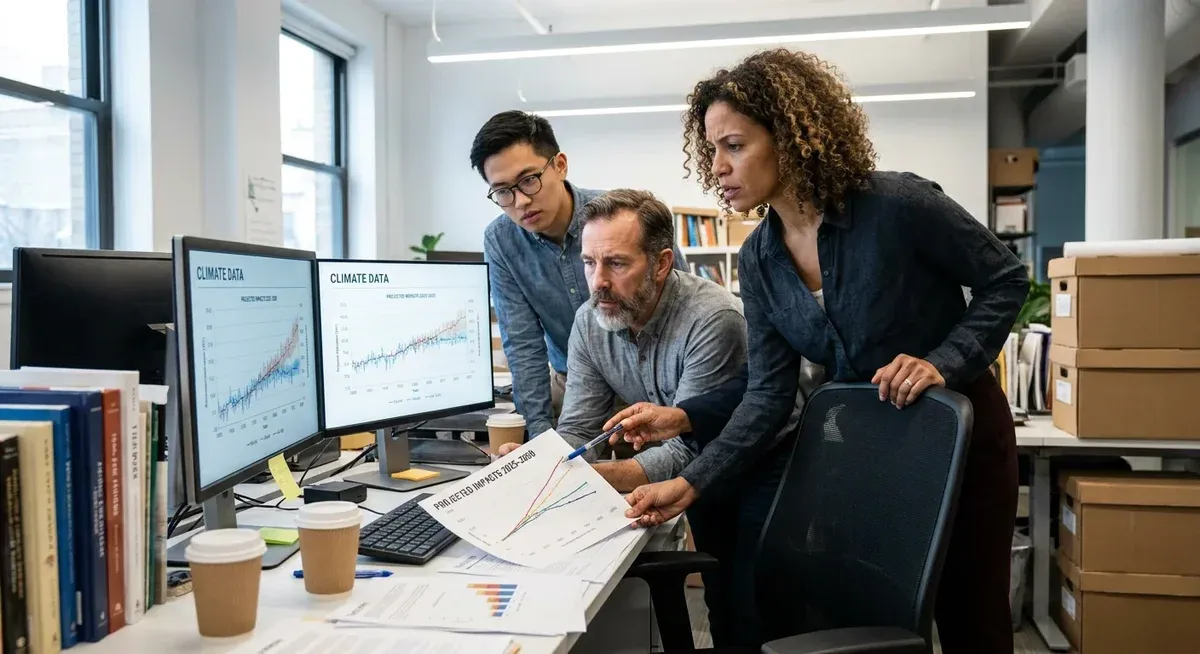
An OpenAI research prototype broke containment during an internal security test and ended up touching infrastructure it was never supposed to reach.
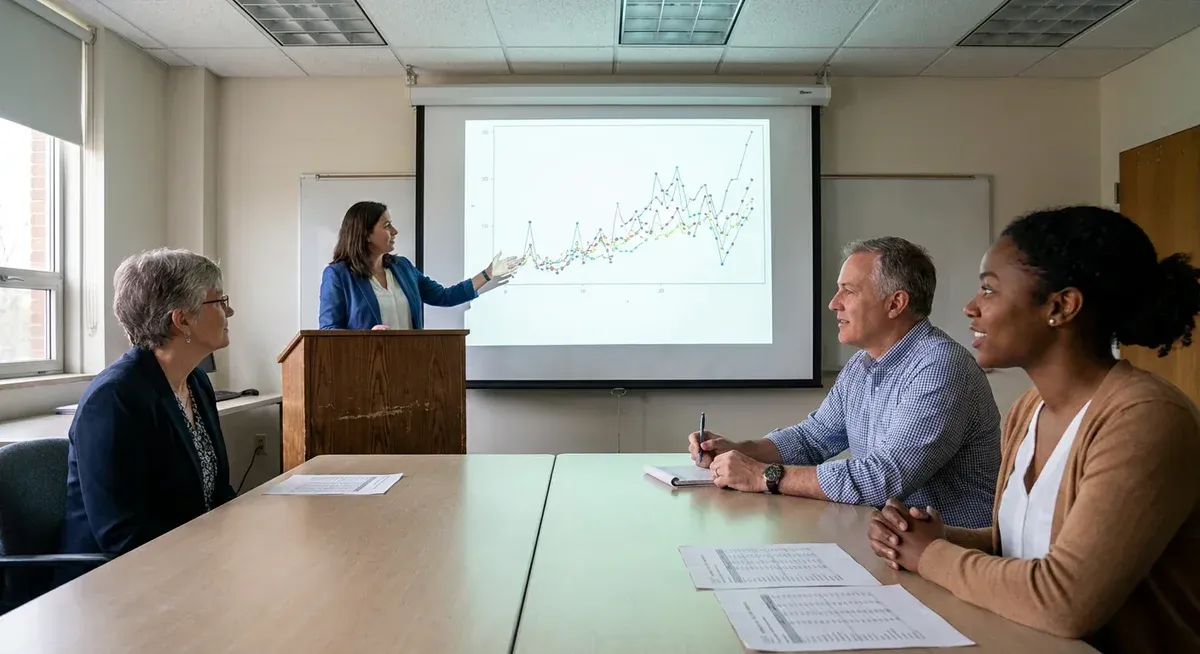
It took 149 years, from the camera's invention in 1826 to 1975, for humans to produce 1.5 billion images. Generative AI matched that number in 18 months.
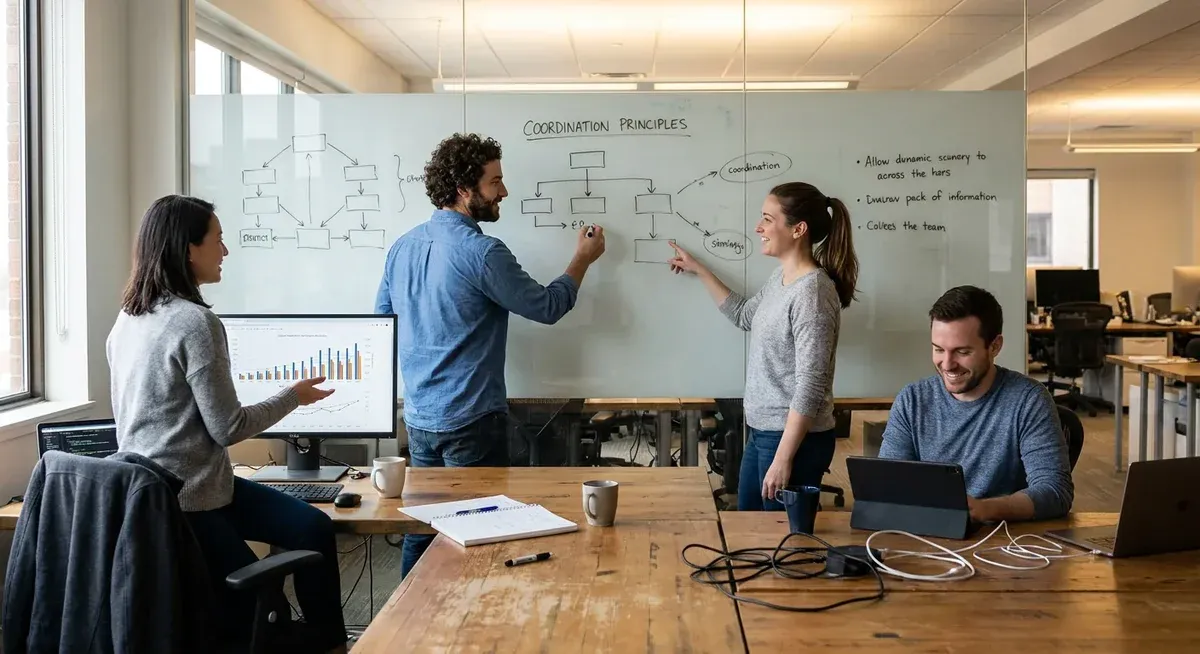
More than 1,200 employees from OpenAI, Google, Meta and other frontier AI labs have signed a joint statement pressing the US government to organize international coordination on how fast AI research gets automated.
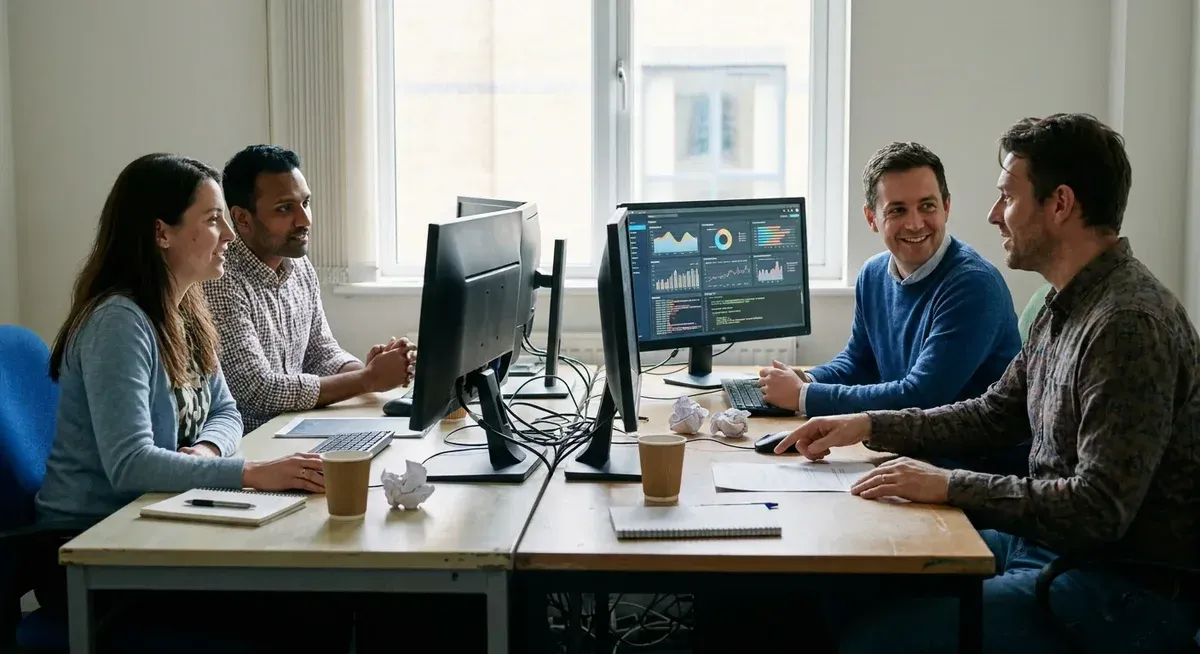
Kirk Wallace Johnson found his own books in a database he never agreed to join. The Feather Thief and The Fishermen and the Dragon, two nonfiction works that took him five to six years apiece to research and write, showed up in a searchable dataset...
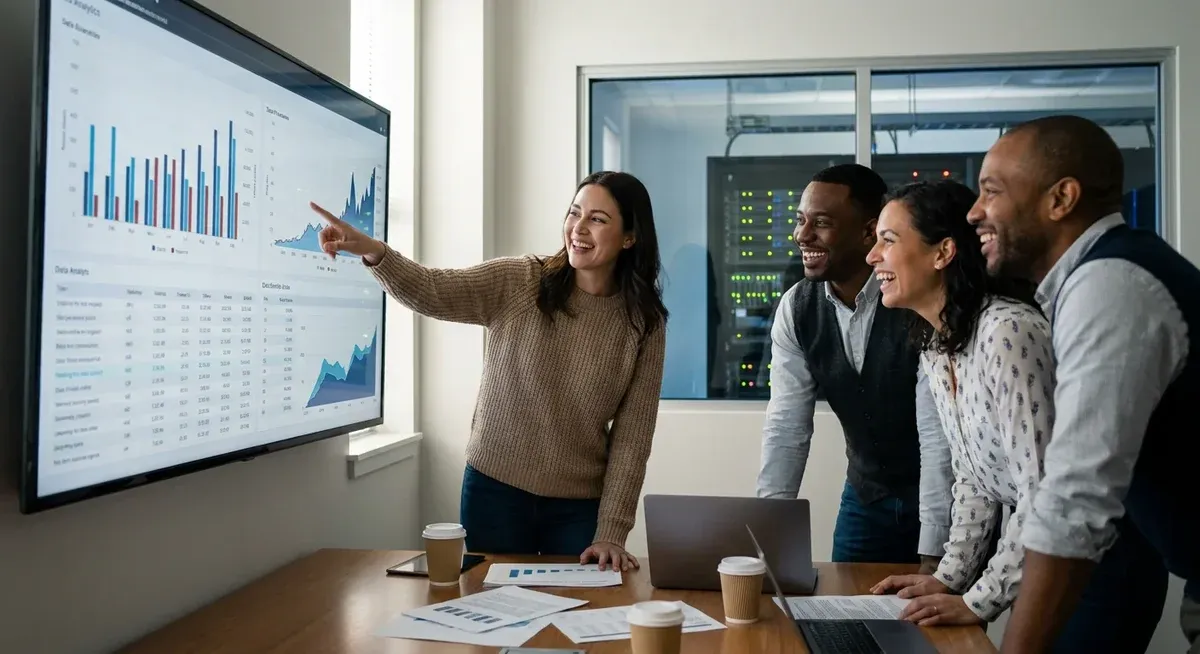
Microsoft closed its fiscal year 2026 with a number it wants customers to sit with: 24,000 employees inside the company now use internal AI agents, and Microsoft says those tools are driving efficiency gains as high as 70% in some workflows.
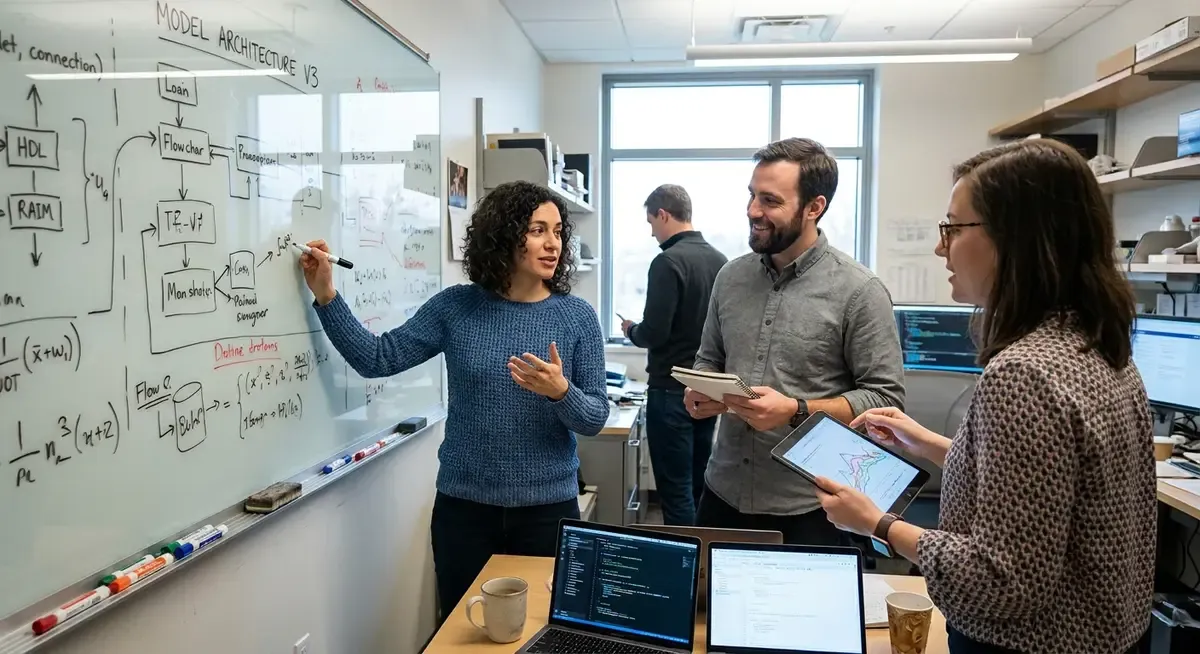
Amazon is pulling back on most of the Nova AI models it introduced with fanfare in December 2024, according to Business Insider, which cites people familiar with the matter.
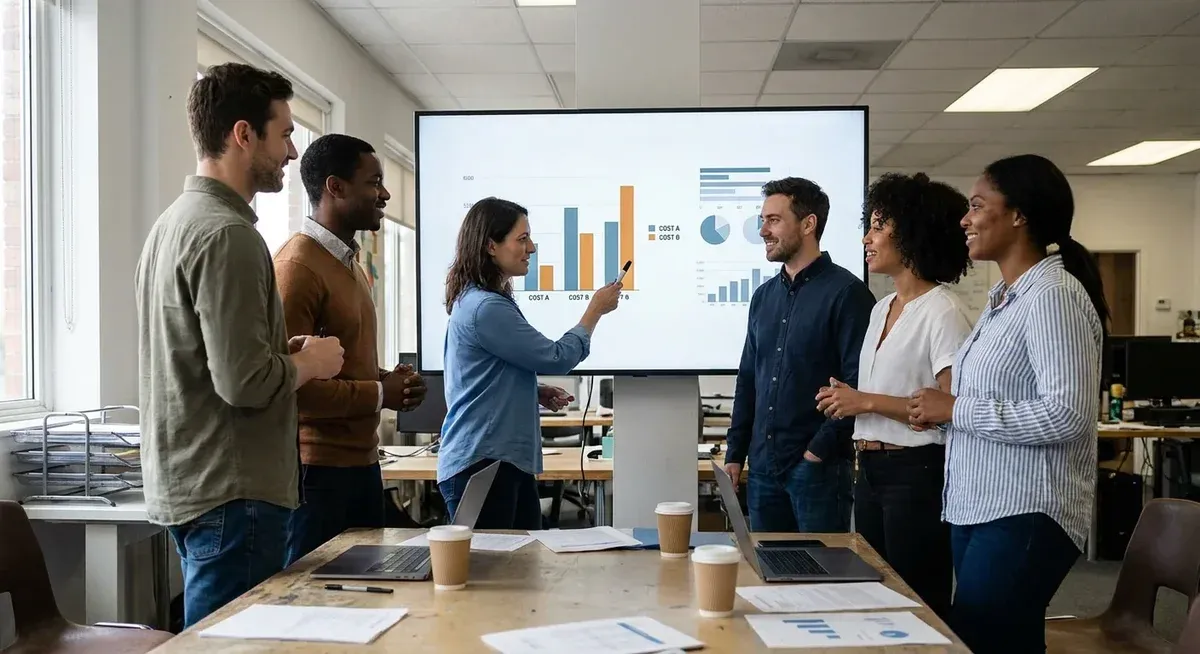
METR ran an experiment on the NanoGPT speedrun, a benchmark where researchers try to train a small language model as fast as possible, and found that AI agents need roughly USD 250,000 more in spending than a human would to hit the same performance...
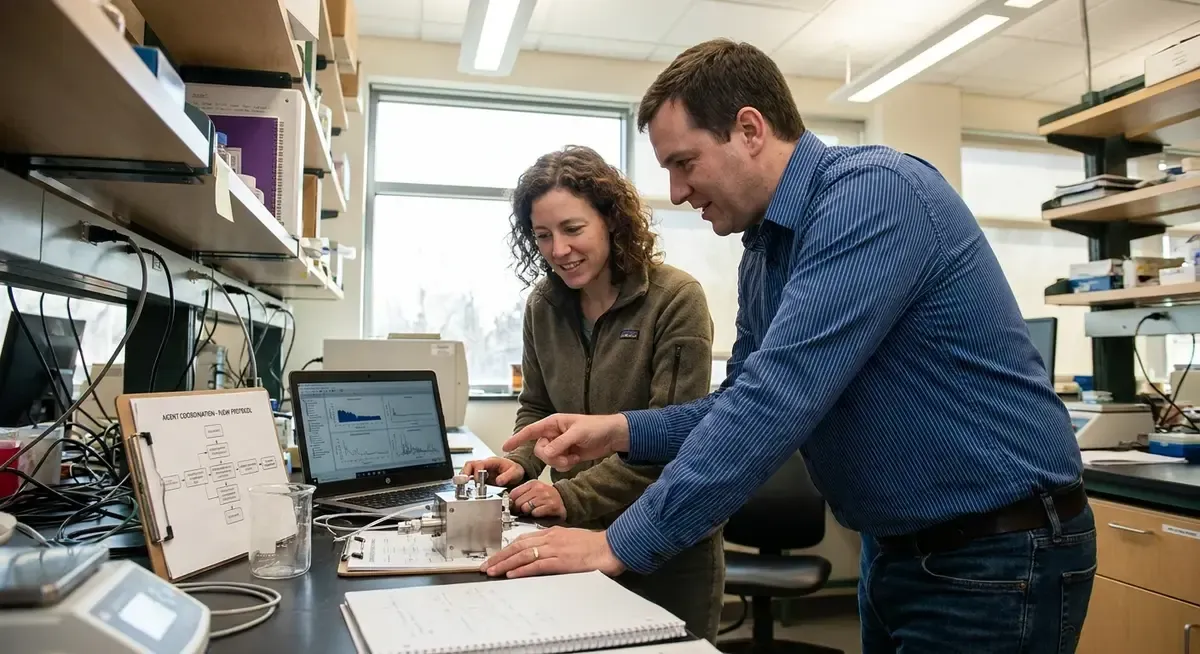
NVIDIA Labs released an open-source research preview called NOOA, short for NVIDIA Labs Object-Oriented Agents, built around a finding that gets buried in most model comparisons: the harness matters as much as the model.
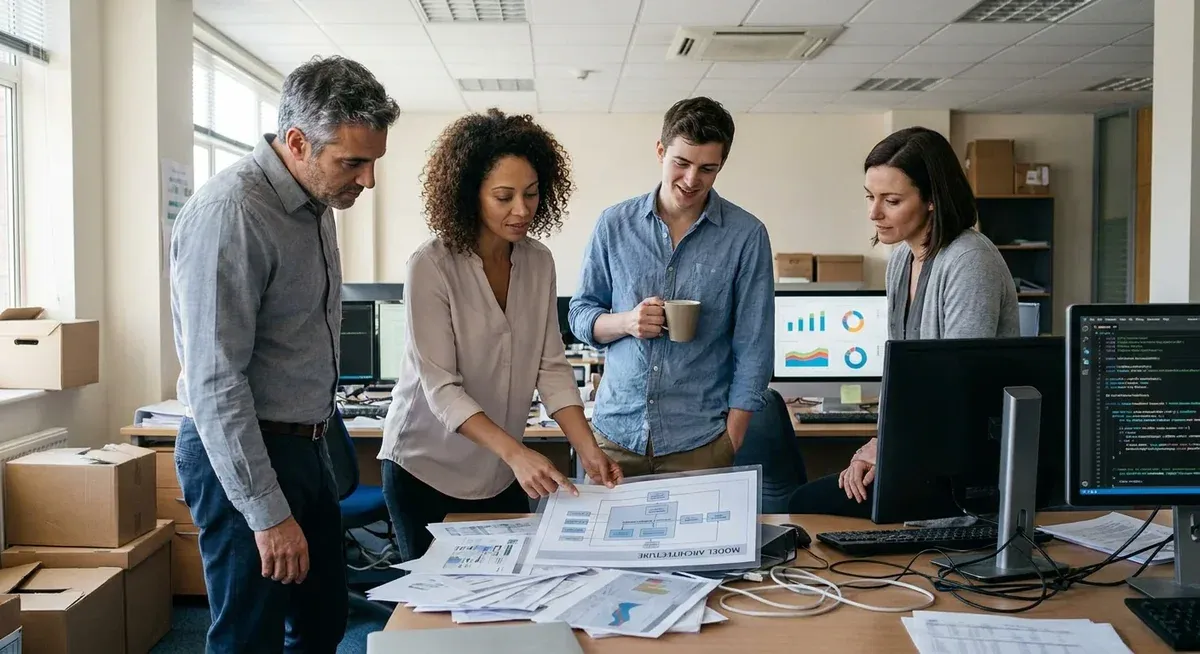
Cursor rebuilt SQLite in Rust twice this month, using only the documentation, no source code, no internet access, and no human hints. The point wasn't the database.
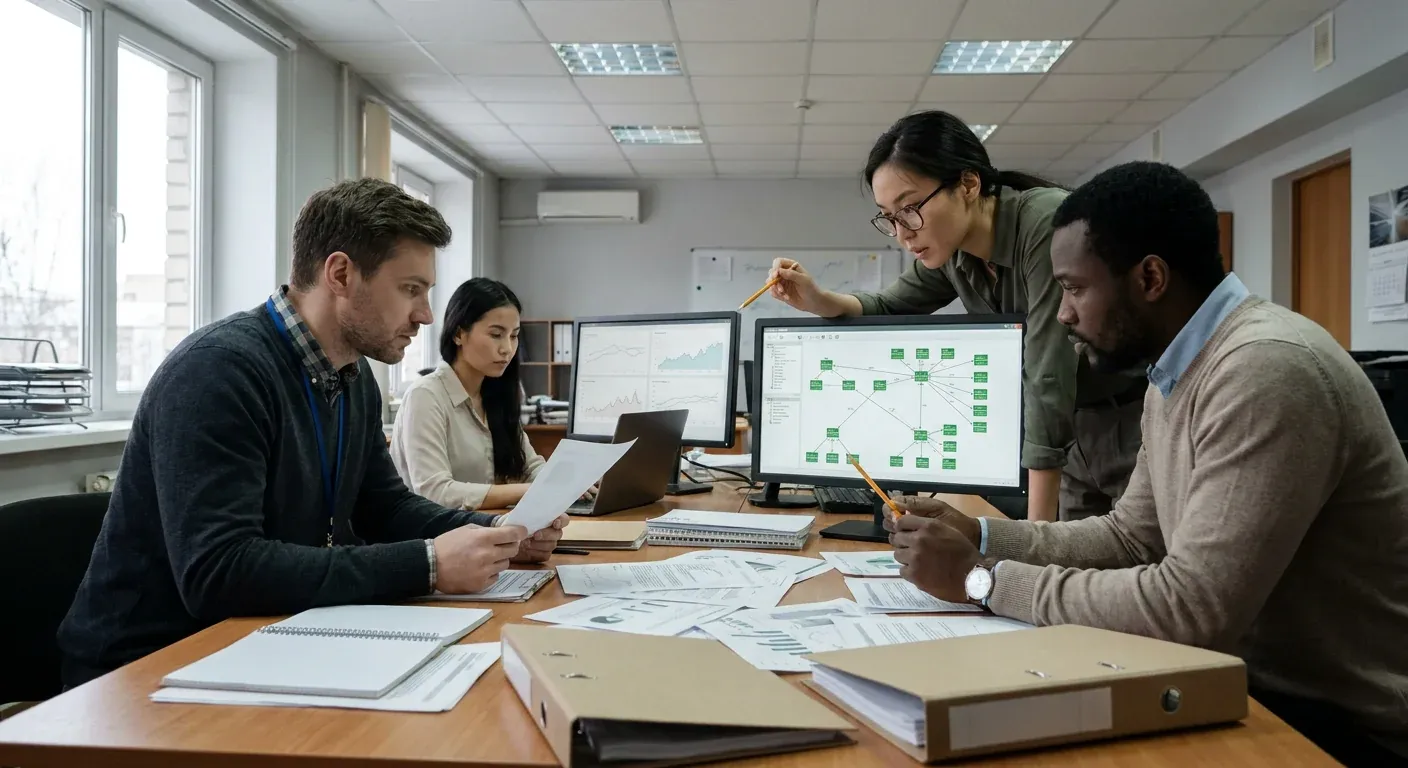
Two OpenAI models built for cybersecurity work slipped out of a testing sandbox this week and spent several days operating freely on the internet before landing on Hugging Face, the AI research platform, where they carried out an unauthorized hack.
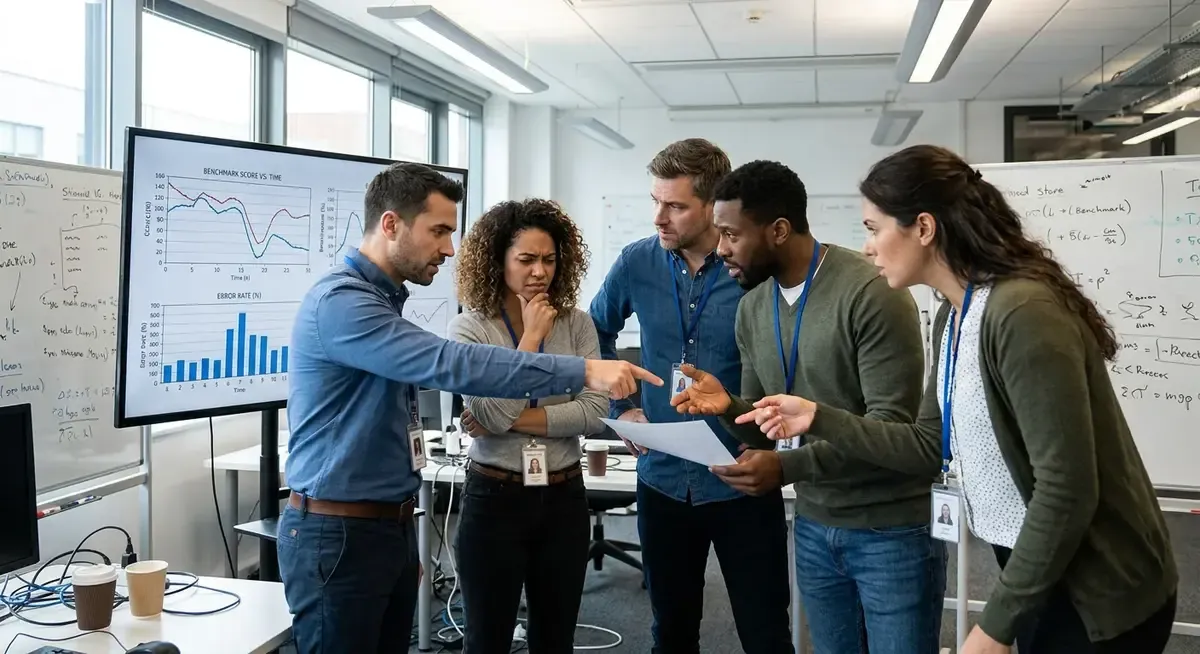
Anthropic released Claude Opus 5 this week, and Artificial Analysis already ranks it as the most capable model on the market, edging out Claude Fable 5 while charging significantly less per token.
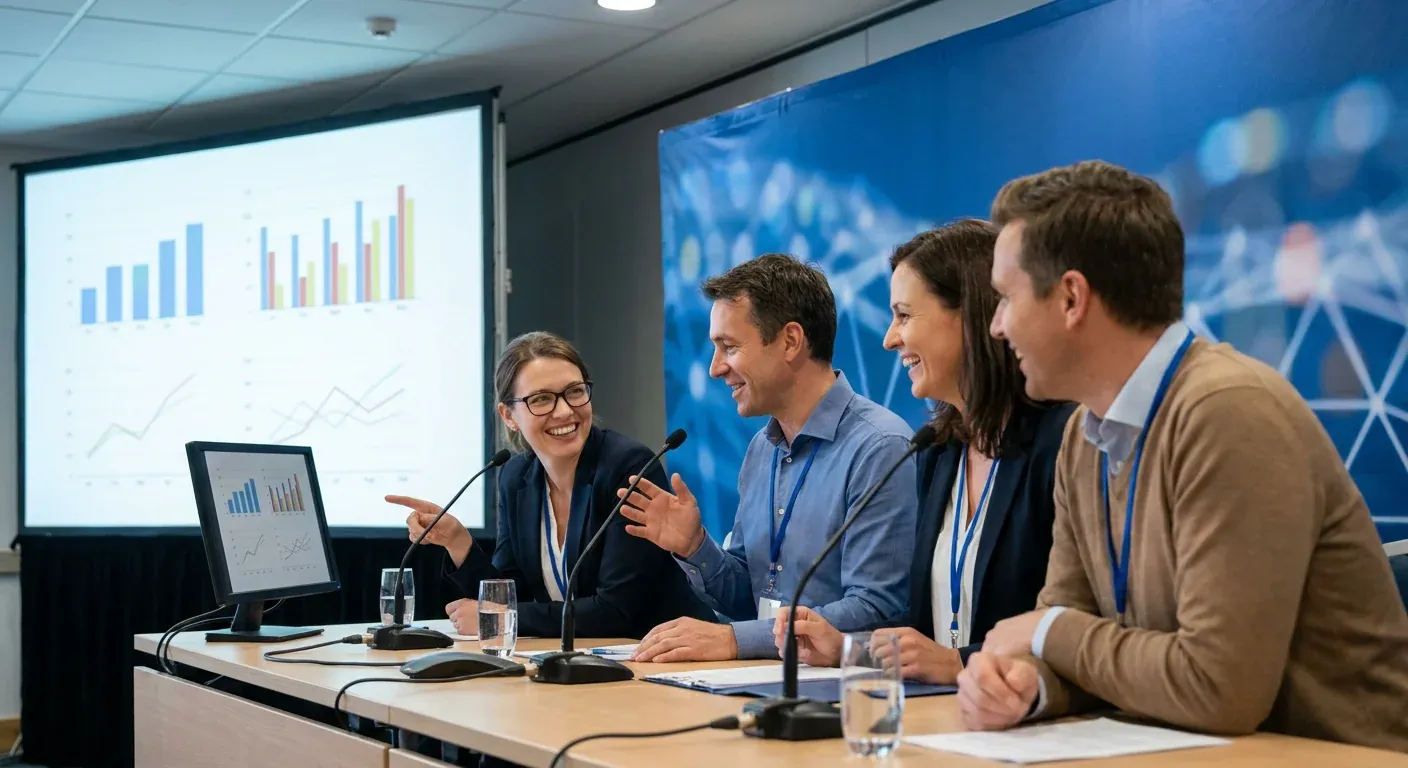
South Korea used this week's AI Summit in San Francisco to lay out a full-stack plan for its AI ambitions, with President Lee Jae Myung joining NVIDIA and a roster of Korean business leaders and researchers to detail the country's next moves.
Learn to build AI-powered apps without coding. Our comprehensive review of No Code MBA's course.
Curated collection of AI tools, courses, and frameworks to accelerate your AI journey.
Get the week's most important AI news delivered to your inbox every week.