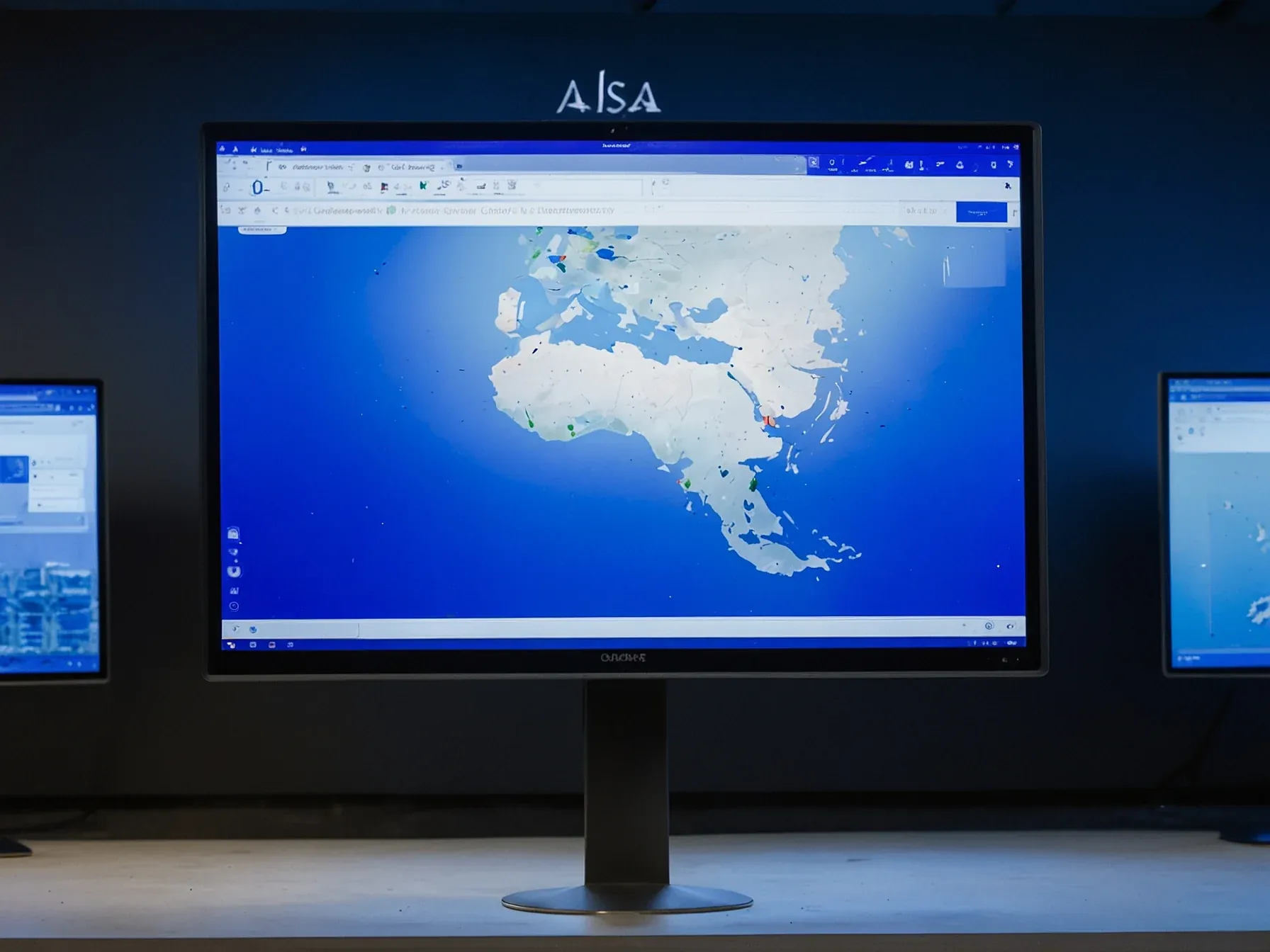
Editorial illustration for ChatGPT Atlas Adds Arc-Like Sidebar Resize and Tab Reordering Features
ChatGPT Atlas Unveils Browser-Style Interface Upgrades
ChatGPT Atlas introduces resizable sidebar and reorderable vertical tabs
OpenAI's Atlas browser finally lets you move its tabs. You can also grab the sidebar's edge and drag it, making the thing a bit wider or a bit thinner. This isn't a flashy feature drop.
It's a quiet correction. The original Arc-inspired design was too rigid, and users wanted to tweak it—so now they can.
Similar to Arc, you can resize the sidebar on ChatGPT Atlas, as well as reorder your tabs. The new sidebar still isn't as full-featured as Arc's, however, and the address bar remains at the top of your screen. You can try out vertical tabs on ChatGPT Atlas by right-clicking inside the address bar, hovering over "Tab Style," and then choosing "Vertical Tabs." Along with this change, you can now set Google as your default search engine, which makes sense since using the browser sometimes feels like Googling with extra steps.
Don't expect these tweaks to pull users from Chrome or Arc. Atlas remains, fundamentally, a browsing tool wrapped around an AI query box. But resizing and reordering are basic gestures of control.
They signal something: OpenAI is doing the unglamorous work of making a tool feel fit for human hands. The goal here isn't to win the browser wars. It's to make the AI feel less like a visitor on your screen and more like part of the furniture.
A slightly more adjustable piece of furniture.
Related Reading
Browse all OpenAI news → LLMs & Generative AI
 ChatGPT's 'Nerdy' tweak rewards goblin metaphors in answers, study finds
 LLMs & Generative AI
 Google to End Free Access to Gemini AI for Non-Subscribers
 LLMs & Generative AI
 AI Engineers Face Rising Costs, Need New Strategies for Efficiency
 Related Topic
 OpenAI's GPT Transcribe Cuts Error Rate to 3.31%, Improving on GPT-4o
Open Source
 Related Topic
 OpenAI Developer: AI Agent "Swarms" Waste Tokens, Create "Coordination Tax
AI Tools & Apps
 From Archives
 Nano Banana Pro unveils Gemini 3 Pro Image, adding better text rendering
 From Archives
 Ai2's Olmo 3 family challenges Qwen and Llama, adds open reasoning and data transparency
 From Archives
 IndiaAI CEO warns Indian IT firms of exposure to OpenAI, Google AI coding tools
Business & Startups
 From Archives
 GPT-5.1 delivers faster simple tasks and more deliberate complex performance
Common Questions Answered
How can users customize the sidebar in ChatGPT Atlas?
Users can resize the sidebar similar to the Arc browser interface by dragging the sidebar edge. Additionally, they can reorder tabs and switch to vertical tab layout by right-clicking inside the address bar and selecting 'Vertical Tabs' from the tab style options.
What new search engine option is now available in ChatGPT Atlas?
ChatGPT Atlas now allows users to set Google as their default search engine, providing more flexibility in browser search preferences. This update gives users more control over their browsing experience within the AI-powered browser platform.
How does ChatGPT Atlas's current browser interface compare to Arc?
While ChatGPT Atlas is borrowing design elements from Arc, its current interface remains more limited in features. The browser has introduced sidebar resizing and tab reordering capabilities, but still lacks the full functionality of the Arc browser.
Further Reading
- ChatGPT Atlas - Release Notes — OpenAI Help Center
- OpenAI's New Atlas Browser Puts ChatGPT In Your Sidebar — ImageWorks Creative
- Intro to scrolling tabs in ChatGPT Atlas — OpenAI (YouTube)
- ChatGPT Atlas Features Explained Sidebar Chat Agent Mode and Memory 2025 — Skywork AI
- ChatGPT's New Agentic browser: Hands on with OpenAI's Atlas — Your Everyday AI
