
Editorial illustration for Anthropic-backed Public First spent USD 15M boosting Bores, who finished second
Anthropic-Backed PAC Spent $15M Against NY Democrat
Anthropic-backed Public First spent USD 15M boosting Bores, who finished second
Public First, the biggest spender inside the Leading the Future super PAC network, put roughly $15 million behind Alex Bores's Democratic primary rival in New York's 12th congressional district this fall. Bores, a state assemblyman who sponsored New York's RAISE Act requiring safety testing for large AI models, finished second anyway. That outcome matters more than the network's bank balance suggests.
Leading the Future entered the 2025 midterms with about $100 million from backers including Andreessen Horowitz, Palantir co-founder Joe Lonsdale and OpenAI's Greg Brockman, plus seasoned political operatives running the show. It built a dual-track structure, with American Mission funneling money to Republicans and Think Big doing the same for Democrats, explicitly modeled on Fairshake, the crypto industry's super PAC network that steamrolled races in 2024. The pitch was simple: scare lawmakers away from regulating AI by threatening their primaries.
The network closed out the cycle with more than $20 million still unspent and a long list of winning candidates it backed. Most of those wins came in races that were never competitive to begin with. The Bores contest was the exception, and the one race Leading the Future actually needed to win.
The donations went overwhelmingly to safe candidates, and the results in the small handful of riskier races that Leading the Future got involved with indicate that its plans to shape the election fell flat.
Why this matters
Fifteen million dollars from a network backed by Anthropic couldn't buy Bores a win against Micah Lasher, a candidate who ran on tech accountability and AI safety rather than against it. That's the real signal here, not the $20 million still sitting in Leading the Future's account. Money poured into safe races makes a super PAC look dominant on paper, but the one contest where it tried to actually bend an outcome, it lost to someone campaigning on scrutiny of the industry it represents.
For founders and researchers watching how AI policy gets shaped in Washington and state capitals, this is worth sitting with: the industry's financial muscle hasn't translated into electoral muscle when voters are given a real choice. If you've assumed that AI money can simply buy favorable regulators and legislators into office, Bores' second-place finish is evidence that assumption deserves more skepticism. Primaries with actual AI-safety stakes are rare, but this one suggests spending big doesn't guarantee the outcome, and that matters for anyone trying to predict where AI policy heads next.
Related Reading
Browse all Anthropic news →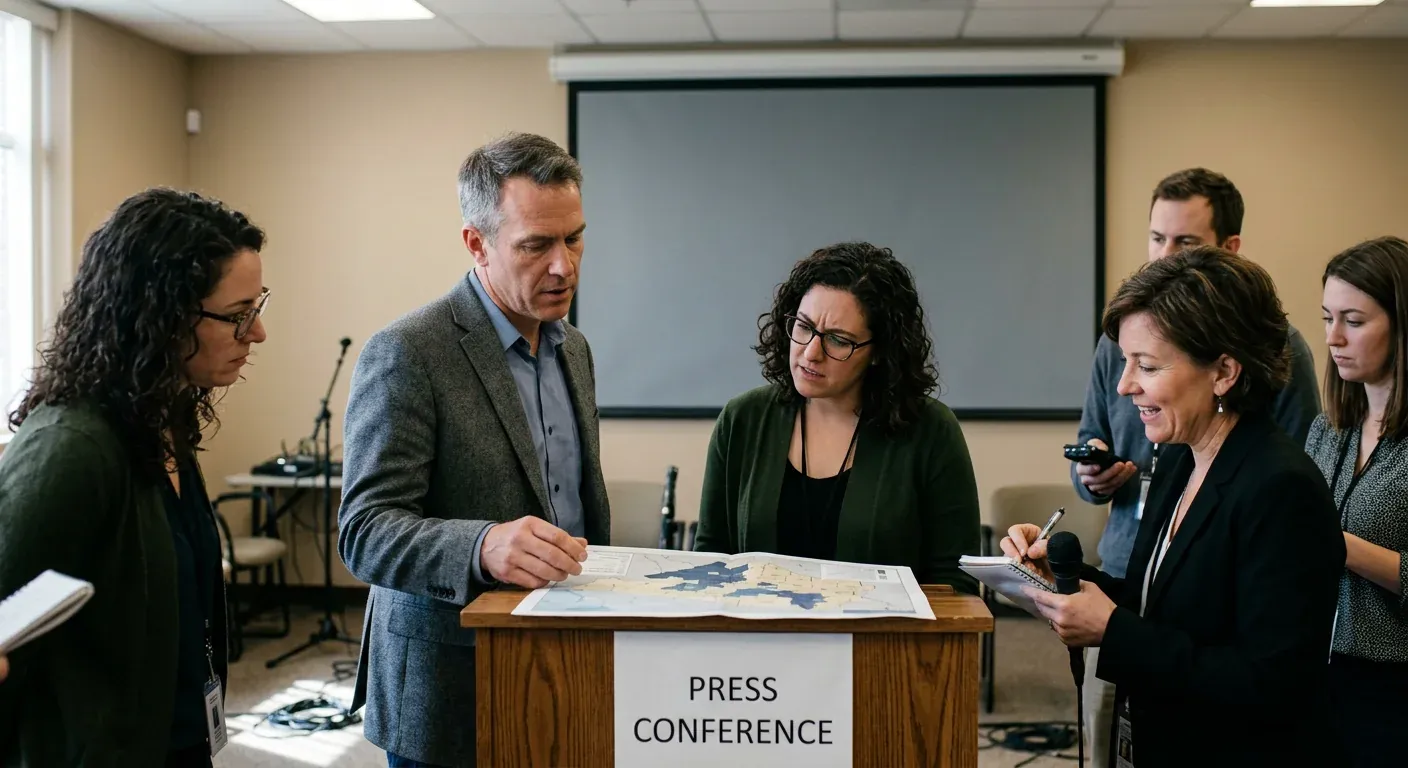 Policy & Regulation
Akamai Proposes SAFE Cybersecurity Guidelines for AI Threats
 Policy & Regulation
After ditching AI fitness apps and a Fitbit, I return to Peloton classes
 Policy & Regulation
Sony Music, Warner Chappell Sue Anthropic Over "Blatant Theft
 Related Topic
Anthropic: Hackers Stole Claude Tokens Via Compromised Session Key
LLMs & Generative AI
 Related Topic
Trump cracks down on Anthropic after Amazon tip; staff largely foreign
Open Source
 From Archives
OpenAI Hires Ex-Army Secretary Dan Driscoll in National Security Role
 From Archives
NYT and other outlets sue Brave over alleged content scraping
 From Archives
Three Early Claude Code Testers Leave Anthropic Within 10 Days
Business & Startups
 From Archives
Anthropic Releases FlashProve: GPU Proves Reply Came From Committed Weights
Open Source
Common Questions Answered
How much did Public First spend supporting Alex Bores's opponent in New York's 12th congressional district?
Public First, the largest spender within the Leading the Future super PAC network, invested approximately $15 million backing Bores's Democratic primary rival in the 2025 midterms. Despite this substantial financial support, Bores still finished second in the race.
What is the RAISE Act that Alex Bores sponsored as a state assemblyman?
The RAISE Act is New York legislation sponsored by Bores that requires safety testing for large AI models. This bill represents a focus on AI safety and regulatory oversight within the state.
Why did Leading the Future's $15 million investment fail to secure a win for its preferred candidate?
Despite the substantial funding from the Anthropic-backed super PAC network, Bores lost to Micah Lasher, who campaigned on tech accountability and AI safety rather than against the tech industry. This outcome demonstrates that the super PAC's financial advantage was insufficient to overcome a candidate running on industry scrutiny and safety measures.
How much total funding did the Leading the Future super PAC network enter the 2025 midterms with?
The Leading the Future super PAC network entered the 2025 midterms with approximately $100 million in backing from various donors, including Anthropic. This substantial war chest was deployed across multiple races, though the network's influence on actual election outcomes proved limited.
What does the article suggest about Leading the Future's overall impact on the 2025 midterm elections?
According to the article, the donations from Leading the Future went overwhelmingly to safe candidates, and the results in the small handful of riskier races where the network got involved indicate that its plans to shape the election fell flat. The loss in New York's 12th district to a candidate campaigning on AI safety demonstrates that money alone could not bend the outcome the super PAC desired.
Further Reading
- Here's how the candidates backed by AI super PACs fared - Fortune
- The AI industry won a primary fight. Now its target is inspiring lawmakers nationwide. - Politico
- How AIPAC and AI Spent Their Money This Midterm Election - The Intercept
- AI Tried to Buy the Midterms — Then the Lobby Learned to Play the Long Game - The Intercept
- The Biggest Pro-AI Super Pac Network Didn't Really Impact the Midterms - WIRED
