Research & Benchmarks - Page 45 of 47
Academic AI research, performance benchmarks, scientific breakthroughs, and peer-reviewed studies advancing artificial intelligence frontiers.
932 articles
View complete article list
Academic AI research, performance benchmarks, scientific breakthroughs, and peer-reviewed studies advancing artificial intelligence frontiers.
Building a proper AI for German is harder than it should be. The data you need is either locked up or legally murky. A group of researchers just built a public tool to fix that.
Training an AI on web search results is a pain. The data is messy, the formats keep changing, and writing a scraper that doesn't break is a full-time job. SerpApi says it can fix that.

You won’t find a jaguar on your phone, but you might hear one. A new app called Forest Listeners is turning the tedious work of cataloging jungle sounds into a game anyone can play from their couch. It’s built on a simple, clever idea.

John Thompson, who used to run Microsoft's board, recently told a room full of people in Bengaluru that artificial intelligence is about to make entry-level jobs scarcer. He should know. This isn't a vague futurist talking.

The AI industry is sprinting to build smarter models. Yet inside the sprawling data warehouses of Databricks, a $43 billion infrastructure giant, engineers see a different race entirely. Everyone is building.

Ninety-eight percent is a number you see on a product label, not in an industry survey. It means almost everyone. According to new research, that's how many market researchers now use AI. The total adoption happened quietly, and it's already over.

Google's latest research paper isn't about a better search algorithm. It's a blueprint for launching the company's custom AI hardware, its tensor processing units, into orbit.
The flood hit Arxiv's computer science section first. The preprint server, a cornerstone of open research for decades, is now choking on what its moderators call AI-generated sludge.
OpenAI’s latest benchmark reads like a memo to its own engineering team: we are missing India. It’s a tacit admission that their models, trained on a global corpus, fail in specific, local ways.

An AI research tool has generated an entire scientific paper and then, in a twist, acted as its own peer reviewer. The paper was accepted for a conference. The tool is called Denario, and it’s not just writing.

Everyone tells you to learn data science. Nobody tells you what to do with it. You download a spreadsheet, stare at columns named ‘VAR_07’ and ‘Q4_P1’, and feel like you’ve made a terrible mistake.

About one in ten articles in a US newspaper now has some machine-generated text in it. Readers are rarely told. This is not a future scenario.

Video editing is a stubborn, tedious craft. Adobe’s new AI research project, Frame Forward, seems designed to gut the most painful part of it: removing something from a moving picture.
In New Delhi this week, a nondescript training lab opened its doors. Its purpose, however, is anything but small.

There’s a basic problem with the machines we’re told will reason. We have no real idea if they are. We see the answer, but the work is a mess of unreadable math. A team at Meta’s labs may have found a way to read that mess.
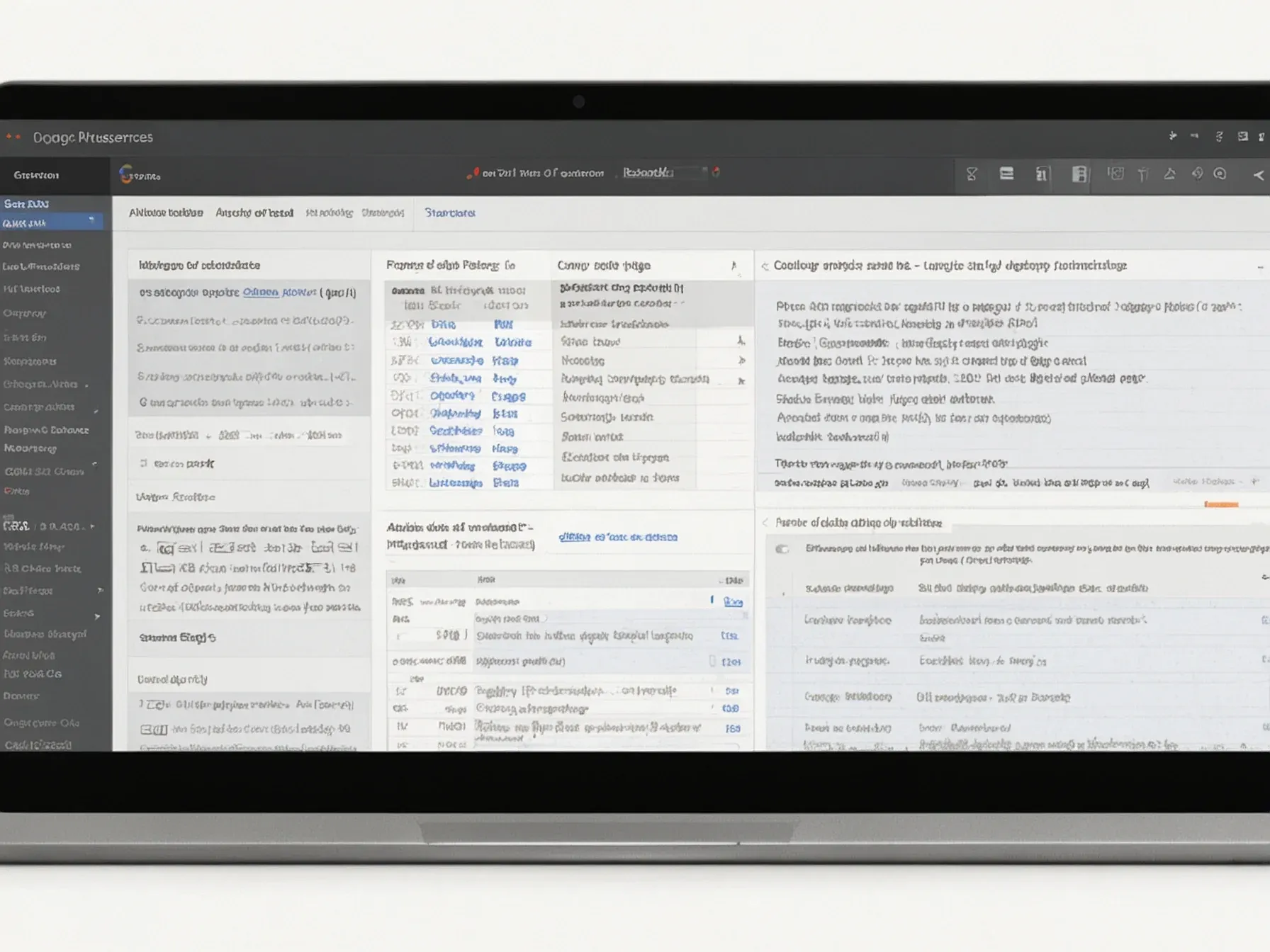
Building with AI often means blindly trusting a black box. You feed it a prompt, and you get a strange, inexplicable reply. Figuring out why is a professional nightmare. Google’s latest move in AI Studio aims to fix that.

Software bugs have long been the Achilles' heel of complex coding projects. Now, OpenAI might have found a game-changing solution with Aardvark, an AI system that approaches software vulnerability hunting like an expert human researcher.

Pinterest thinks you need a robot to tell you what to wear. On Thursday, the company will launch an AI shopping assistant that suggests outfits based on your own saved pins. It’s a chatbot for clothes.

Google's AI research continues to push boundaries with a significant upgrade to NotebookLM. The platform can now process massive amounts of information like never before, handling up to 1 million tokens in a single interaction.
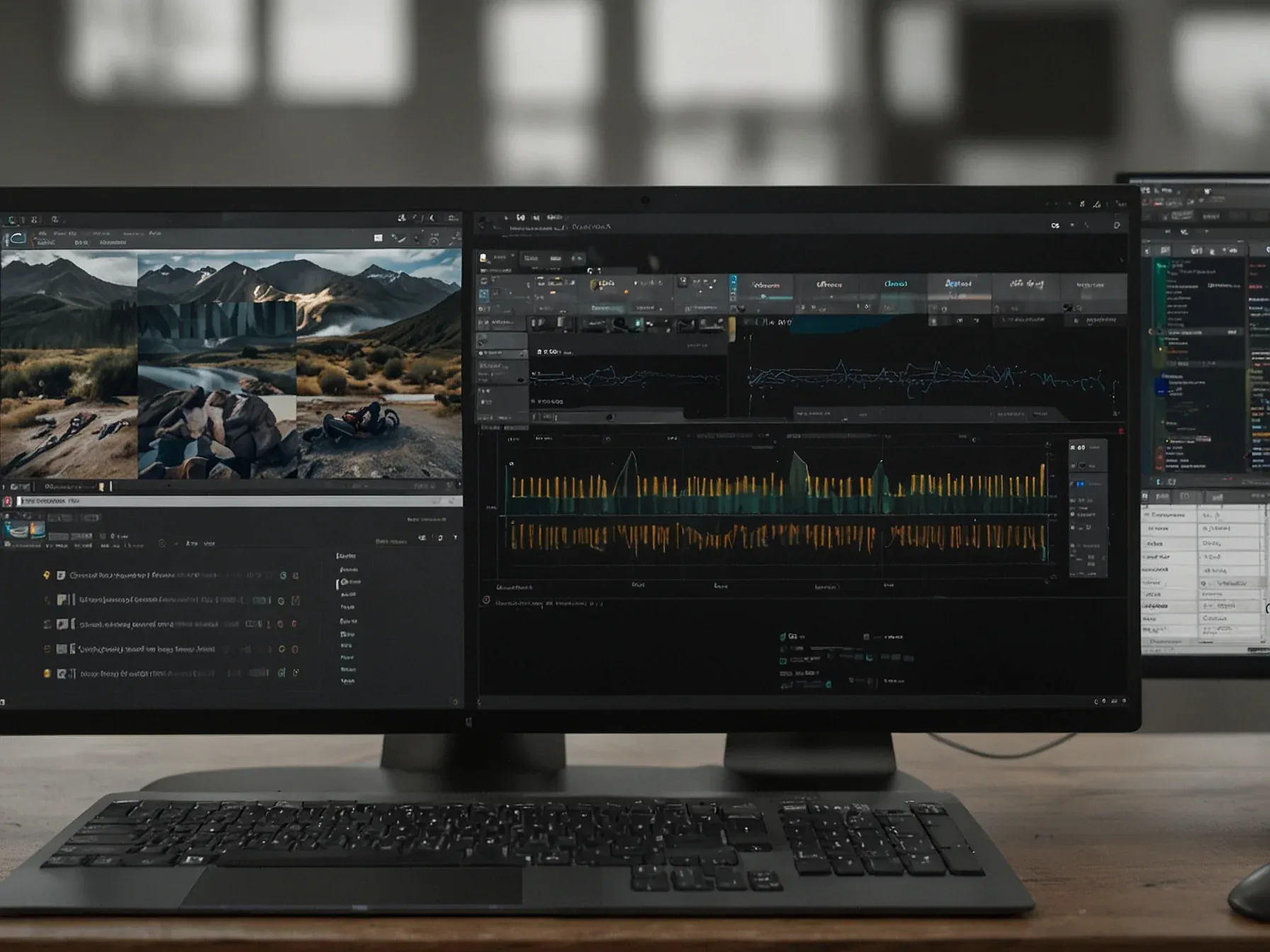
Audio is the bane of video editors. Adobe's latest AI project is an attempt to fix that, promising to swap the music and tweak the emotion in a voiceover with something like a button press. It's a repair tool for bad audio. The pitch is simple.
Learn to build AI-powered apps without coding. Our comprehensive review of No Code MBA's course.
Curated collection of AI tools, courses, and frameworks to accelerate your AI journey.
Get the week's most important AI news delivered to your inbox every week.