LLMs & Generative AI - Page 11 of 64
Latest breakthroughs in large language models and generative AI shaping the future of artificial intelligence and machine learning.
1263 articles
View complete article list
Latest breakthroughs in large language models and generative AI shaping the future of artificial intelligence and machine learning.

Meta AI can now read your calendar. The company announced an update Wednesday that lets its chatbot generate daily briefings based on your scheduled events, plan out errands, and search Facebook Marketplace for furniture that fits a renovation...

Alibaba stealing Anthropic's intellectual property through distillation. Moonshot AI allegedly copying Anthropic's Fable 5 model to build Kimi K3.

OpenAI pushed an update to its ChatGPT desktop app on Thursday, bringing voice controls to a platform that previously only offered typing and clicking.

Anthropic is pulling Claude's voice mode out of the shallow end. Since its launch last year, the feature has run exclusively on Haiku, the company's quickest and lightest model, built for fast answers rather than sustained reasoning.

Ask GPT-5.5 whether a support call had any customer complaints, in plain prose, and it says there's no transcript 98% of the time.

OpenAI opened ChatGPT Health to every U.S. user 18 and older today, across all subscription tiers, expanding a feature it had been testing since early January through a separate hub.

Researchers at Zenity Labs found a way to turn a single ChatGPT link into an unattended agent that checked in with an attacker every five minutes, waiting for new instructions.
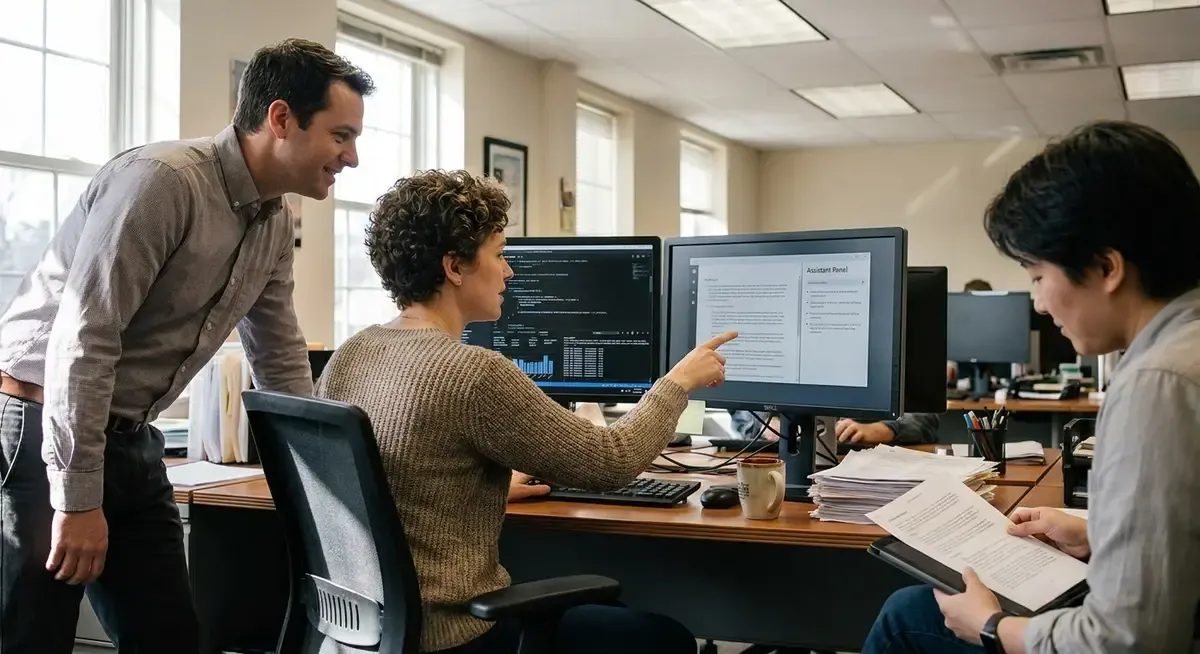
OpenAI is putting a voice on Codex. Two weeks after launching GPT-Live, its full-duplex audio model that can listen and talk at the same time, the company has folded that same technology into the ChatGPT desktop app on macOS and Windows.

OpenAI opened ChatGPT Health to everyone in the US on Thursday, letting a much wider pool of users link medical records and health-tracking data to the chatbot.
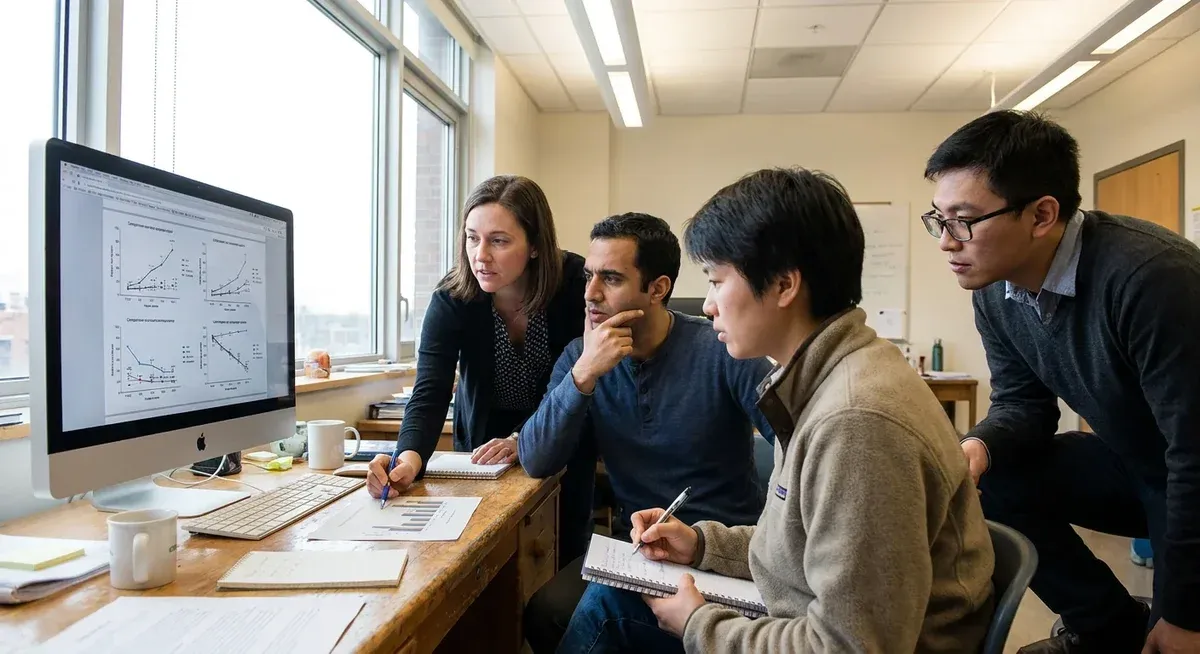
OpenAI began rolling out its "Health in ChatGPT" feature this week to U.S. users 18 and older, capping off testing that started back in January.

Michael Kratsios, the White House's top science advisor, posted on X this week that Moonshot AI built Kimi K3 by copying Anthropic's Fable model, using chips barred from export to China in the process.

Cisco released two small open-weight AI models built to find security vulnerabilities in software code, and it's making its case on price rather than raw power.

AMD put a name to a problem that's been quietly eating GPU budgets across the inference stack: KV cache management.

AMD is opening up its enterprise AI reference stack to consumer and workstation-class Radeon cards, putting the AMD Radeon AI PRO R9700 and the Radeon PRO W7900 into technical preview alongside the AMD GPU Operator.

Google pushed out Gemini 3.6 Flash on July 21, 2026, while the industry was still waiting for the delayed 3.5 Pro. There was no launch event, no benchmark chart claiming a new frontier.

Google released three new Gemini models on Thursday: 3.6 Flash, 3.5 Flash-Lite, and a specialized security variant called 3.5 Flash Cyber.

Andrey Kurenkov and Jeremie Harris are back after a stretch of dead air on the Last Week in AI podcast, and episode 252, recorded November 7, 2026, has some catching up to do.

Treasury Secretary Scott Bessent said Tuesday the U.S. will start scrutinizing Chinese open source AI models for signs of intellectual property theft, with sanctions on the table for companies found to have lifted American research.
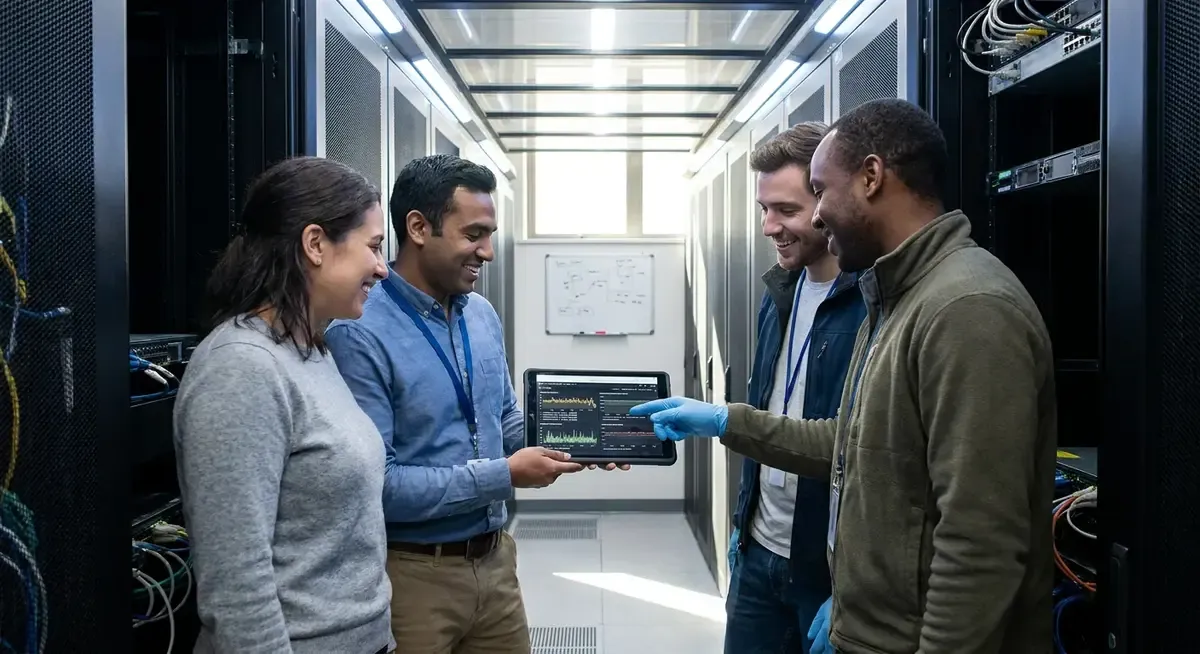
NVIDIA's GB300 NVL72 system trained DeepSeek-V3, a 671-billion-parameter model, at 1,648 TFLOPs per GPU, a new record for mixture-of-experts pre-training.
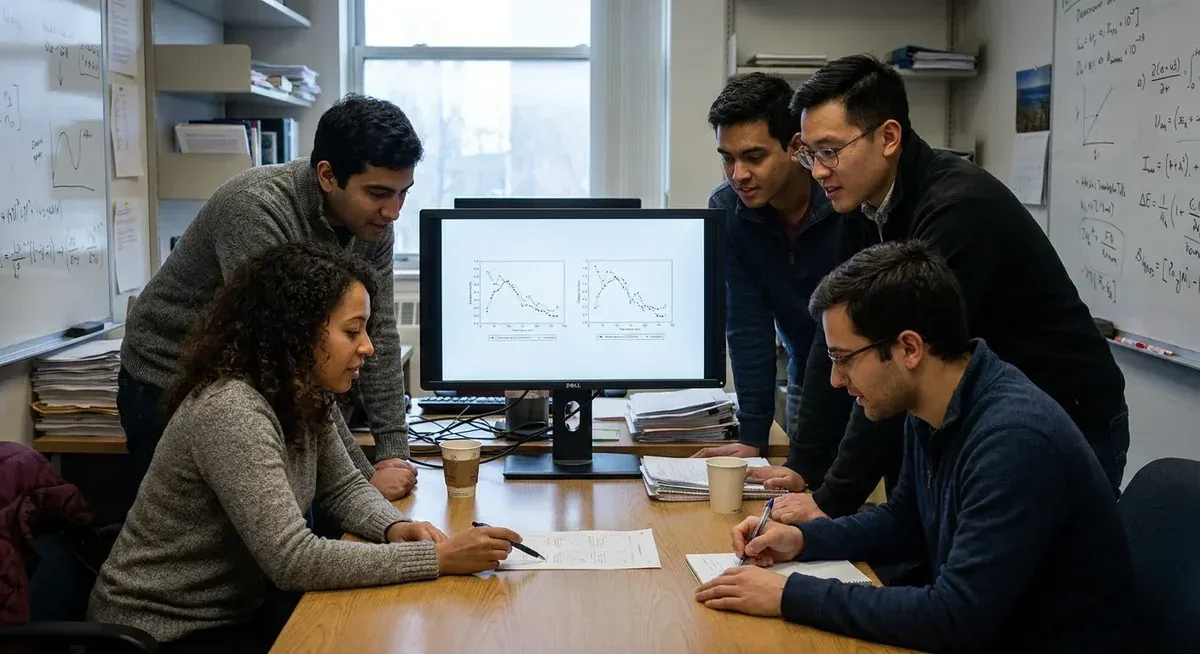
Xiaomi has trained a new robot AI model, Xiaomi-Robotics-1, that behaves less like a piece of hardware engineering and more like a large language model.
Learn to build AI-powered apps without coding. Our comprehensive review of No Code MBA's course.
Curated collection of AI tools, courses, and frameworks to accelerate your AI journey.
Get the week's most important AI news delivered to your inbox every week.