Business & Startups - Page 60 of 70
AI company news, venture capital funding, startup launches, mergers, acquisitions, and major market moves in the AI industry.
1383 articles
View complete article list
AI company news, venture capital funding, startup launches, mergers, acquisitions, and major market moves in the AI industry.

The arrangement is elegantly circular. Thrive Capital, an investor that has poured over a billion dollars into OpenAI, creates a holding company. That holding company, Thrive Holdings, now gives its equity to OpenAI.

Lung cancer, COPD, and infectious diseases, these are conditions where every second of diagnostic clarity matters.

Coforge sells something more boring and more useful than AI magic: paperwork that does itself. Its Quasar platform now includes two new accelerators, AgentSphere and Trust AI, built to slot AI directly into the daily grind of large companies.
The market forecasts a staggering $329.5 billion for AI server spending by 2026. That figure creates a brutal bottleneck. Most firms are locked out. They can't afford the capital, lack the expertise, or face opaque cloud terms.
OpenAI's security alert this week carries a familiar, unsettling echo. The threat wasn't a direct assault on the ChatGPT maker itself. It was a leak at a third-party analytics vendor, Mixpanel, where data on OpenAI users spilled out.

Hospitals run on chaos, memory, and people who eventually quit. Two engineers bought a single phone number and decided to answer it. Their idea was simple: listen.

Microsoft’s push into agent-first AI is starting to look like a trap for the next generation of engineers. Inside the company’s CoreAI division, a quiet concern is spreading. It’s not that autonomous AI agents will fail.

The AI security conversation has shifted. It’s no longer about whether the technology will invade the enterprise, it already has. Sprawl is the new normal.

Technical skill is abundant now. The real scarcity? Making sense of the machine. That gap determines who gets automated and who gets promoted, a dynamic playing out in every industry from finance to healthcare.
I outsourced my brain to buy a smartwatch. ChatGPT did the job, more or less. It gave me four names: the Garmin Vivoactive 5, Fitbit Versa 4, Pixel Watch 3, and Ticwatch Pro 5. It compared battery life and app compatibility and prices.

The White House just moved the chessboard. Its Genesis Mission isn't merely another federal research initiative, it's a direct challenge to the private-sector monopoly on frontier AI infrastructure.
Microsoft’s Fara-7B finishes your average browser task in roughly 16 steps. That’s a fraction of what most comparable systems need.

Andrej Karpathy spent a weekend “vibe-coding” a proof of concept, and in doing so, accidentally mapped the exact terrain that a fleet of well-funded startups now call home.
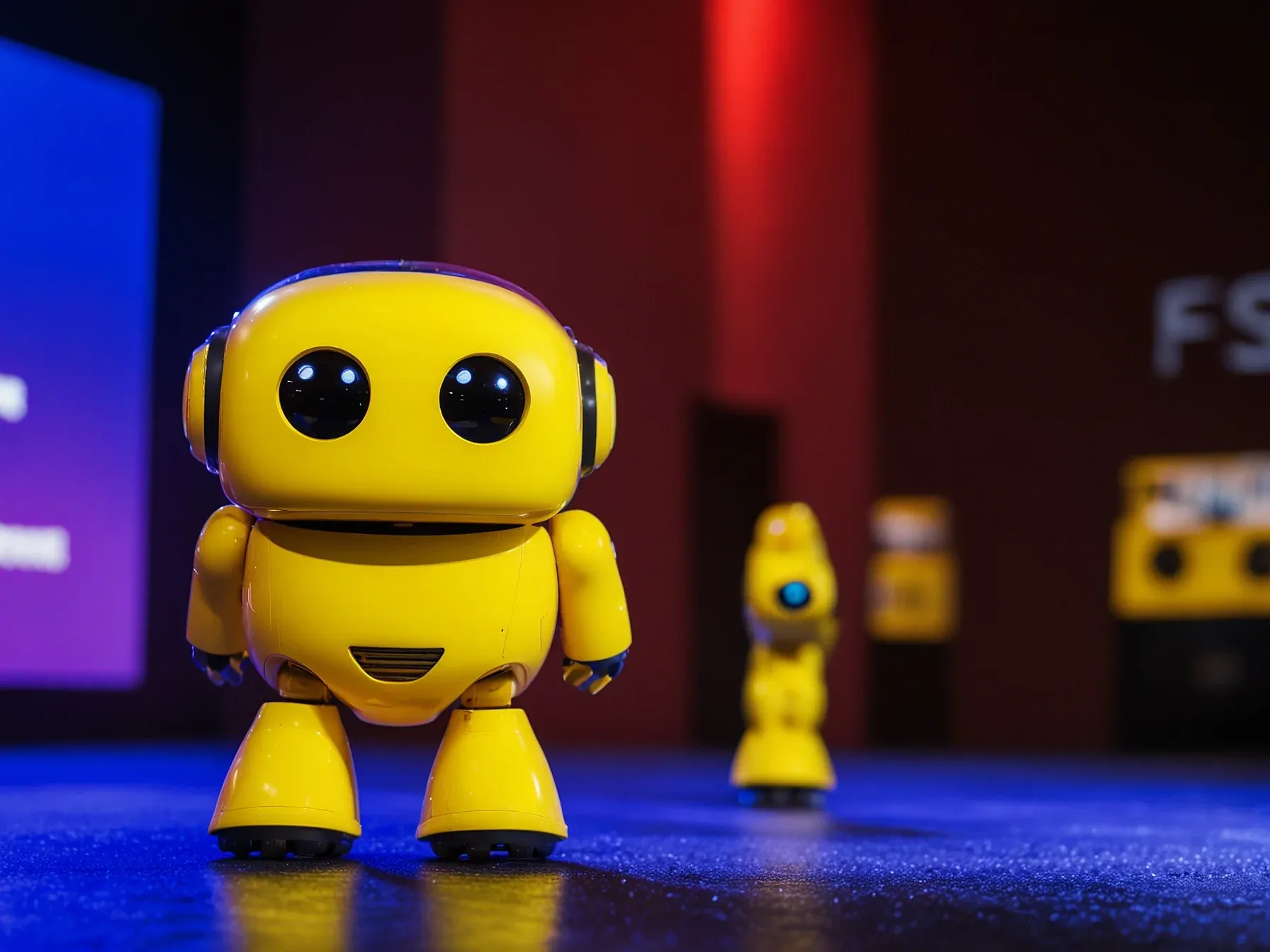
DHL made a bet on silicon. For over eighteen months, the logistics giant ran a quiet, sprawling pilot with a firm called HappyRobot, testing AI agents not in a lab but in the gritty reality of its supply chains. Now, it’s live.
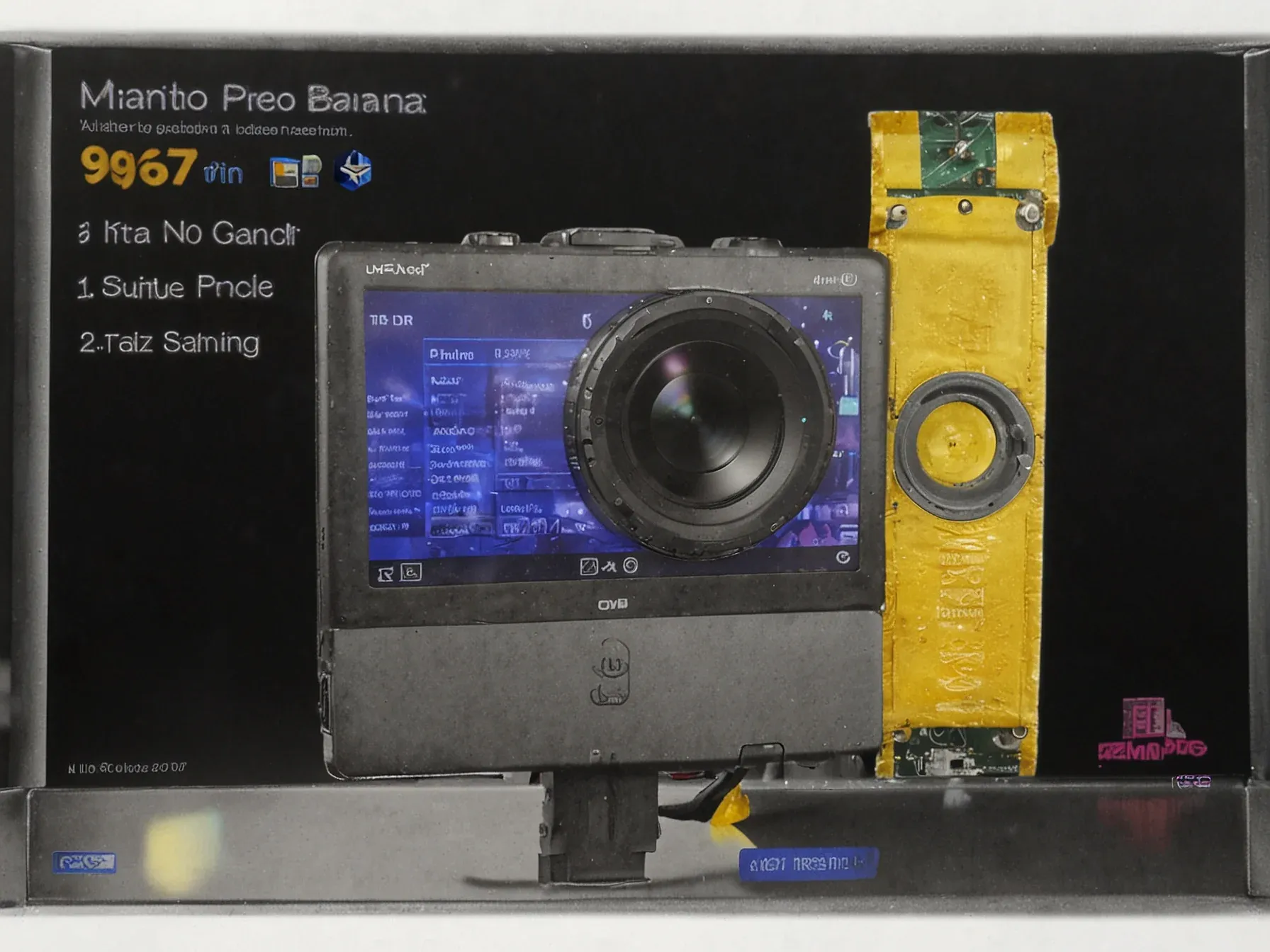
Four high-resolution images. Free. No strings attached. Nano Banana Pro just dropped a deal that’s hard to ignore, throwing the door open for anyone who wants to test-drive AI-powered editing without spending a rupee.
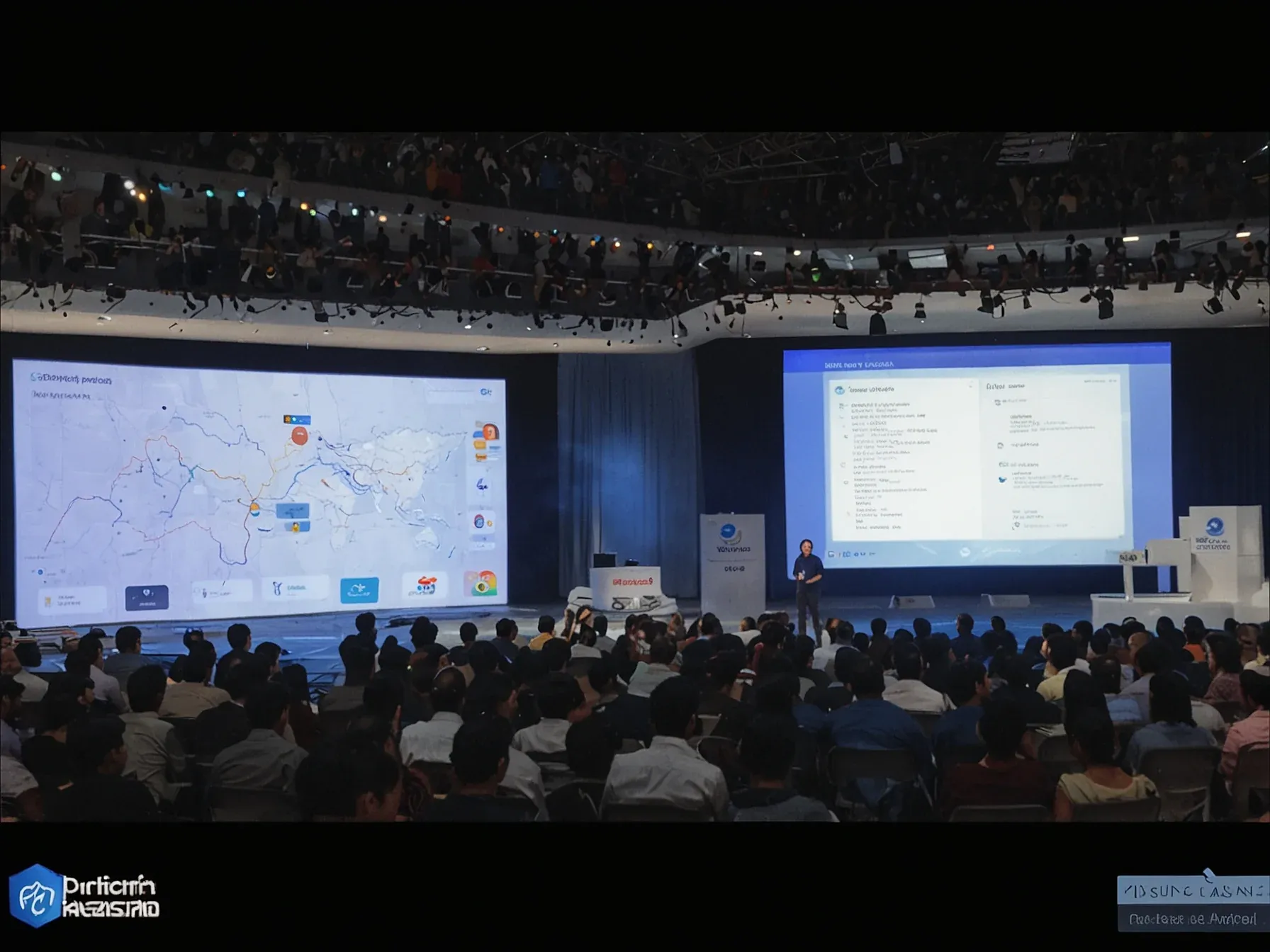
Most location tools for Indian businesses are built for somewhere else. They treat an address like a simple coordinate, not the minor miracle of navigation it actually represents.

IBM built a cluster of AI specialists in India. Now everyone else wants one. The goal is no longer simple automation. Global Capability Centers, the offshore units for multinationals, are assembling concentrated teams of AI engineers.

On Thursday, Black Forest Labs dropped Flux.2. The entire family of image generation models is now free for commercial use, released under a permissive Apache-2.0 license.
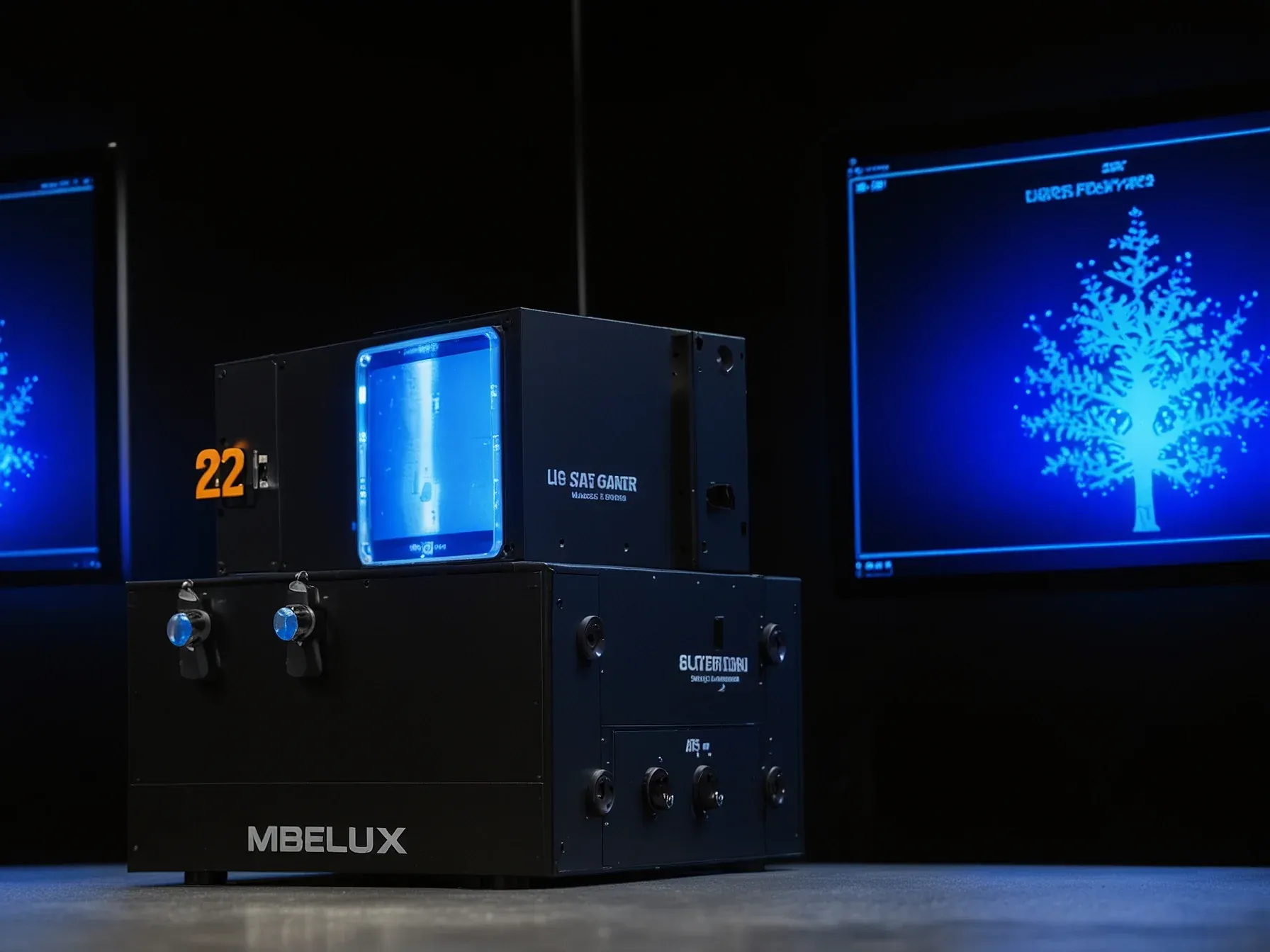
The future of image generation isn’t just about bigger models, it’s about smarter collaboration between vision and language. Black Forest Labs has just unveiled Flux 2, and the architecture is a deliberate marriage of two distinct intelligences.

OpenAI has finally started acting like a grown-up company. Its latest move lets more than a million business customers pick where their data is stored—a basic feature they should have offered years ago. This isn't innovation. It's compliance.
Learn to build AI-powered apps without coding. Our comprehensive review of No Code MBA's course.
Curated collection of AI tools, courses, and frameworks to accelerate your AI journey.
Get the week's most important AI news delivered to your inbox every week.