
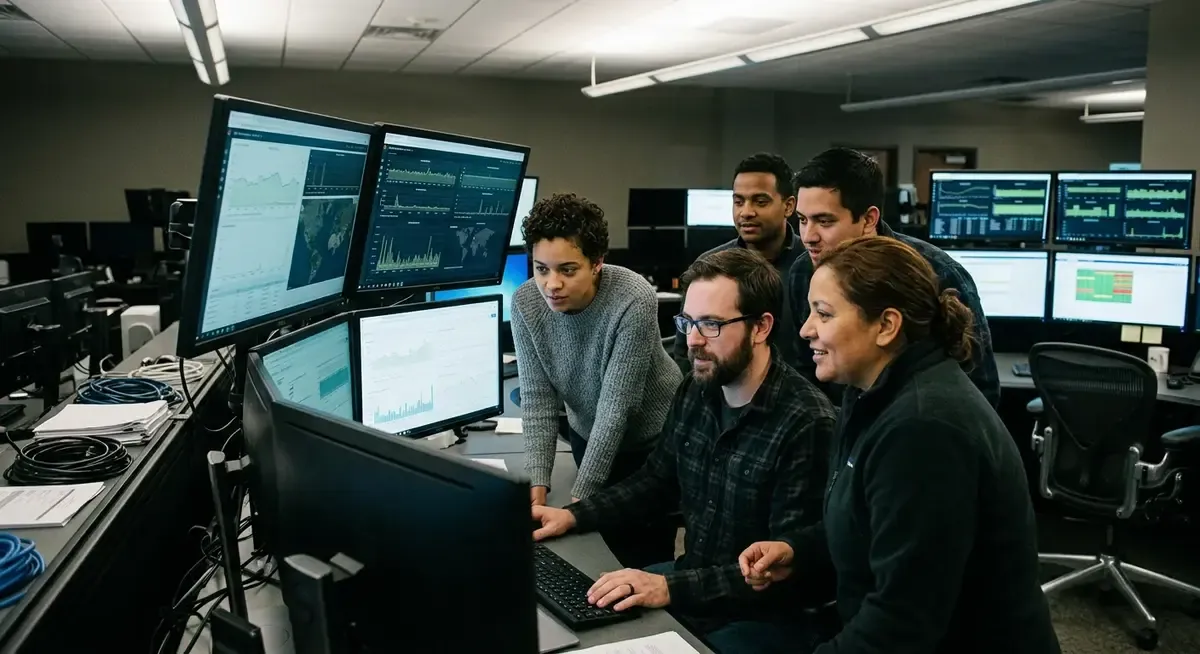
Editorial illustration for Y Combinator's Garry Tan Spends Up to USD 200K a Year on AI Agent Tokens
Y Combinator CEO Spends $200K Yearly on AI Agents
Y Combinator's Garry Tan Spends Up to USD 200K a Year on AI Agent Tokens
Garry Tan runs Y Combinator, the startup accelerator behind Airbnb, Dropbox and Stripe. He also burns through serious money on AI. On an episode of Walter Isaacson's podcast The Builders, set to publish Tuesday, Tan told Isaacson he spends between $100,000 and $200,000 a year on tokens for AI agents, the software systems that can carry out tasks with minimal human input.
Tan has joked before about having "cyber psychosis" from losing sleep over how excited he gets working with these tools. The token spend puts a number on that habit. He uses agents for coding and work projects, and he's published a set of 23 Claude Code skills called gstack on GitHub, hoping to show other people what the technology can actually do.
But Tan's use goes well beyond the office. He's given his agent access to his email, his Dropbox files and his Apple Notes, including therapy notes stretching back two decades. That level of access is what lets him describe the agent less as a tool and more as something that follows him through his daily life.
Tan, who is, naturally, an avid lover of technology (as anyone running Silicon Valley’s famed startup accelerator would be), believes personal AI agents will eventually become mainstream, if one major problem is solved: Costs have got to come down.
Why this matters
A $200,000 token bill from the head of Y Combinator is a useful data point for anyone trying to budget an "agent-heavy" workflow. Tan isn't running a research lab, he's running an accelerator, and he's feeding his agents YC's entire institutional memory, every founder, every application, every email. That's a specific, high-value use case: context retrieval across a decades-deep relationship database, not just code autocomplete.
For founders pitching YC, it's worth noting the person on the other side of the table may have an AI system that remembers your application better than you do. For developers and founders building agent products, the number matters less than the shape of the spend: this is sustained, daily, operational use, not a demo. Treat Tan's bill as a ceiling check for what "always-on" agents cost a power user today, and watch whether token prices or usage patterns shift that number up or down over the next year.
Skepticism is warranted on the "personal agents for everyone" framing until the economics look less like a YC-CEO expense account.
Related Reading
 LLMs & Generative AI
ChatGPT's 'Nerdy' tweak rewards goblin metaphors in answers, study finds
 LLMs & Generative AI
Google to End Free Access to Gemini AI for Non-Subscribers
 LLMs & Generative AI
AI Engineers Face Rising Costs, Need New Strategies for Efficiency
 From Archives
Empathetic prompts can make AI chatbots seem traumatized, researchers say
 From Archives
AI Chatbots Lead Hikers Astray, Search and Rescue Veterans Say
Common Questions Answered
How much does Garry Tan spend annually on AI agent tokens?
Garry Tan spends between $100,000 and $200,000 per year on tokens for AI agents, according to his appearance on Walter Isaacson's podcast The Builders. This substantial investment reflects his heavy usage of AI agent software systems that can carry out tasks with minimal human input.
What is Garry Tan's main concern about AI agents becoming mainstream?
Garry Tan believes that for personal AI agents to become mainstream, the primary obstacle that needs to be solved is cost reduction. He argues that current token prices are too high for widespread adoption, despite the significant value these tools can provide.
What specific use case does Garry Tan use AI agents for at Y Combinator?
Garry Tan feeds his AI agents Y Combinator's entire institutional memory, including data on every founder, application, and email in the accelerator's decades-deep database. This represents a high-value context retrieval use case across a comprehensive relationship database, rather than simpler applications like code autocomplete.
Why is Garry Tan's token spending significant for founders evaluating AI agent workflows?
Tan's $200,000 annual token bill serves as a useful data point for anyone trying to budget an agent-heavy workflow, demonstrating the real costs involved in running sophisticated AI systems at scale. Since Tan is running an accelerator rather than a research lab, his spending reflects practical business usage rather than experimental development.
Further Reading
- Papers with Code - Latest NLP Research - Papers with Code
- Hugging Face Daily Papers - Hugging Face
- ArXiv CS.CL (Computation and Language) - ArXiv
