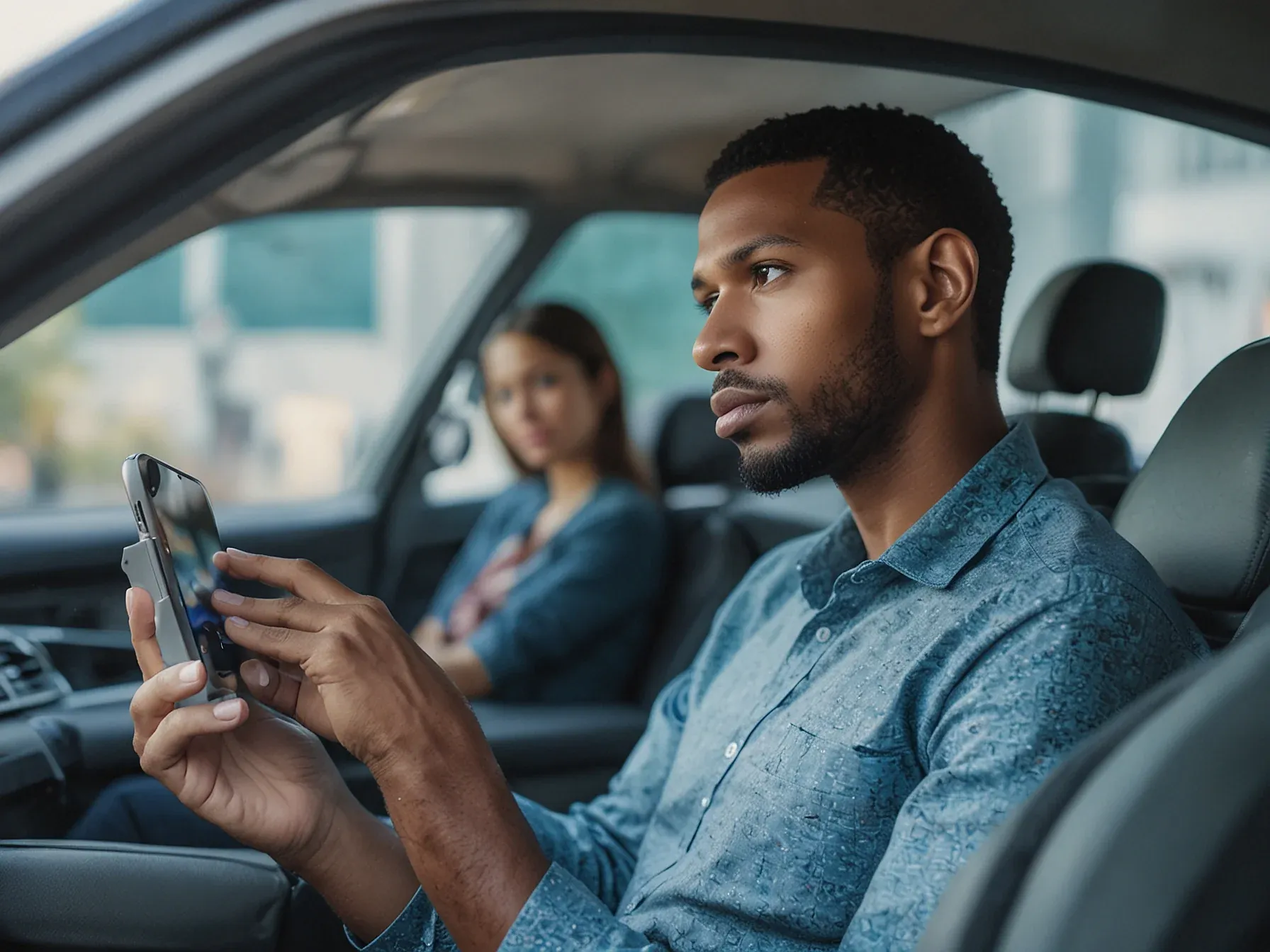
Editorial illustration for Uber Turns App into AI Training Ground, Drivers Worry About Compensation
Uber Turns App into AI Training Ground for Gig Workers
Uber converts app into AI training platform, but driver pay concerns linger
Uber wants to train its AI on its drivers' boredom. The company is testing a plan to add small, digital microtasks to its driver app, effectively turning downtime between rides into a data factory for machine learning. It's a clever way to gather real-world information. For the drivers, it looks like a new way to be exploited.
The strategy exploits a fundamental tension in the gig economy. Drivers are legally independent contractors, a classification Uber fiercely defends. This means no minimum wage, no overtime, no benefits. Yet the app's algorithm dictates their work with the precision of a manager.
It remains to be seen whether Uber drivers will take to these microtasks, given how many of them already complain of low pay as a result of the company’s high take rate on rides and deliveries. Of course, Uber classifies drivers as independent contractors, arguing they are in business for themselves and thus ineligible for traditional benefits like overtime, minimum wage protections, and health insurance. Some Uber drivers argue that the company’s algorithm exerts far too much control over their lives to be viewed as anything other than employment.
In addition to digital microtasks, Uber is also changing the offer cards for drivers and couriers to give them more time and information before accepting the trip. Offer cards are what a driver sees before they accept (or reject) a trip request. Now Uber is giving them more time to make a decision when the card first appears in their app.
Uber is also rolling out a new on-trip experience for couriers that “simplifies” multi-order deliveries with clearer pick-up and drop-off details, as well as alerts for commonly missed items.
Skepticism is the rational response. Drivers already navigate a system designed to minimize their cut of each fare. Adding AI homework feels like asking them to volunteer for a second, unpaid job that makes Uber's core product smarter. The company is also tweaking offer cards and delivery interfaces, minor concessions that do little to address the central financial grievance.
Who benefits here is obvious. Uber gets cheap, annotated data from millions of real-world interactions. The driver gets a potential trickle of extra cents. The math favors the platform, not the person in the car.
This is the logical endpoint of treating a workforce as a data resource. The success of the microtask plan won't depend on its technical elegance. It will hinge on whether drivers, already calculating every minute of their shift, decide the payout is worth the extra tapwork.
Further Reading
- Uber Just “Deactivated” PhDs… Welcome to the Driver ... - The Rideshare Guy (YouTube)
- Uber Salaries Revealed: How Much Tech Workers Make - Business Insider
Related Reading
 Business & Startups
 Nordic pilot adds Gemini for Education, NotebookLM to boost AI literacy
 Business & Startups
 Kling launches Video O1, all-in-one model with MVL bridge using transformer
 Business & Startups
 DeepSeek Seeks More Capital Weeks After USD 7B Funding Round
 From Archives
 LTIMindtree posts 10% Q2 growth, adds 2,558 staff amid digital, AI wins
 From Archives
 Cloudflare teams with Visa, Mastercard, AmEx to create AI shopping authentication
Common Questions Answered
How is Uber planning to use driver interactions for AI training?
Uber is exploring converting driver interactions into microtasks that could potentially feed machine learning algorithms. This approach aims to transform the ride-hailing app into an AI training platform by leveraging real-world data from driver experiences.
Why are Uber drivers concerned about the new microtask initiative?
Drivers are skeptical about the microtask initiative due to ongoing concerns about low compensation and algorithmic control. Many drivers already struggle with Uber's high take rate on rides and deliveries, and fear this new approach might further exploit their labor without adequate compensation.
How does Uber's classification of drivers impact their workplace protections?
Uber classifies drivers as independent contractors, which effectively limits their access to traditional workplace benefits like overtime, minimum wage protections, and health insurance. This classification allows Uber to avoid providing standard employee benefits while maintaining significant control over drivers' work conditions.
