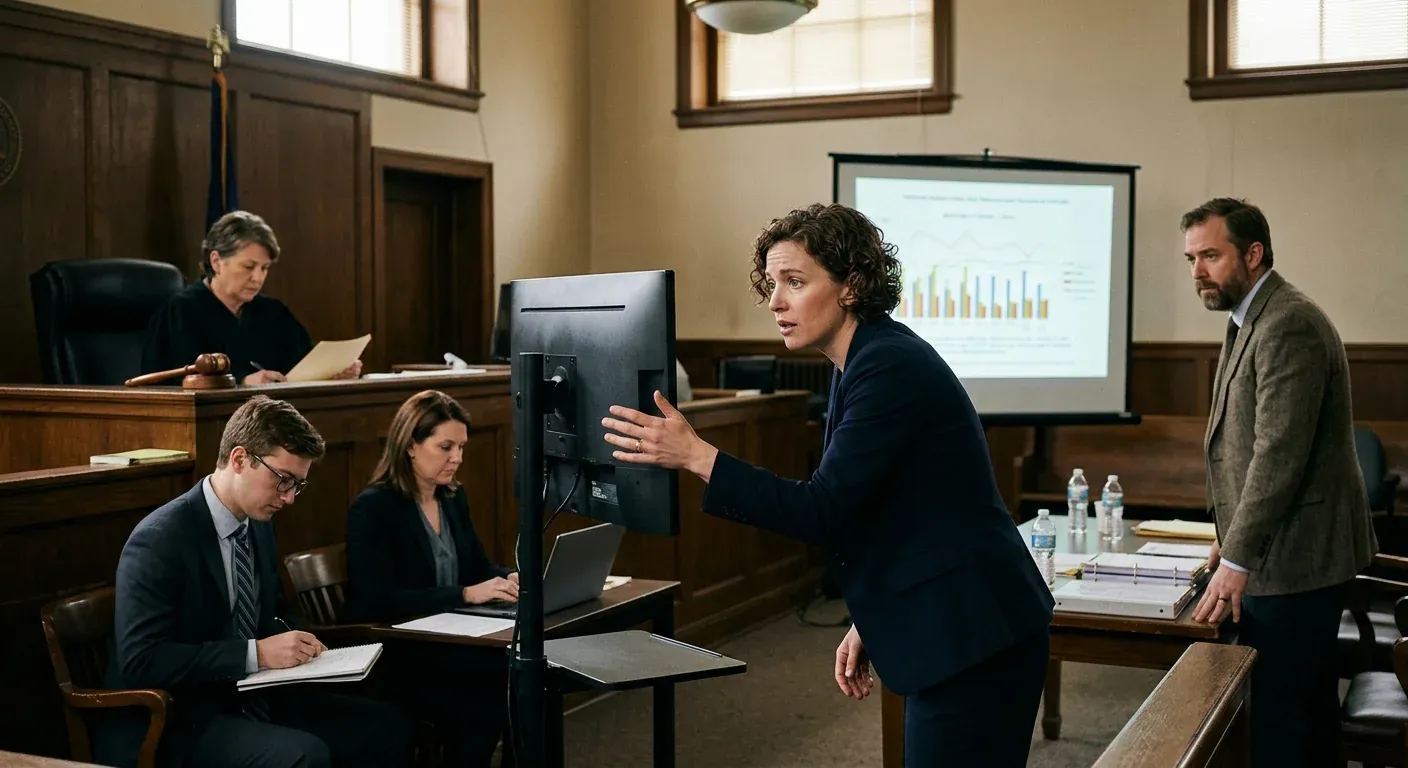
Editorial illustration for Judge Rules Trump's Anthropic Blacklist Illegal
Judge Rules Trump's Anthropic Blacklist Illegal
A federal judge in California has thrown out the Trump administration's blacklist of Anthropic, ruling that the government broke the law when it froze the AI company out of federal business. Judge Rita Lin of the US District Court for the Northern District of California issued the order yesterday, siding with Anthropic in its fight against directives that labeled the company a supply-chain risk to national security.
The dispute traces back to Anthropic's refusal to loosen restrictions on how its Claude AI models could be used, specifically for lethal autonomous weapons and mass surveillance of Americans. Rather than negotiate, the administration moved to cut Anthropic off entirely. Trump and Defense Secretary Pete Hegseth directed every federal agency to stop using Anthropic's products and barred defense contractors from doing business with the company at all, even on work that had nothing to do with the military.
Lin granted key portions of Anthropic's motion for summary judgment, finding the retaliation violated the First Amendment, and ordered the administration to rescind the directives. Her ruling draws a line between the government's right to pick its own vendors and using national security claims as cover for punishing a company that pushed back.
The government illegally retaliated against Anthropic by designating it a supply-chain risk to national security, said yesterday’s ruling by Judge Rita Lin in the US District Court for the Northern District of California.
Why this matters
This ruling matters because it draws a line around how far Washington can go in punishing AI companies for policy disagreements dressed up as security concerns. Anthropic's real offense was refusing to drop restrictions on certain government use cases, not any actual supply-chain risk. Lin's order calling that retaliation, and vacating a ban that reached defense contractors doing business with Anthropic on anything unrelated to the military, tells us the "national security" label can't be used as a blank check against vendors who push back.
For founders building in regulated spaces, that's worth noting: procurement fights can turn into legal fights, and courts are willing to unwind sweeping directives when the paper trail shows punishment rather than risk management. For researchers and developers at other labs, the case is a preview of what happens when politics and government contracts collide over how AI should be deployed. Expect the administration to appeal, and expect other AI companies watching their own government relationships to take this as a signal that blacklists built on policy disputes, not documented risk, don't hold up well in front of a judge.
Related Reading
Browse all Anthropic news → Policy & Regulation
 Akamai Proposes SAFE Cybersecurity Guidelines for AI Threats
 Policy & Regulation
 After ditching AI fitness apps and a Fitbit, I return to Peloton classes
 Policy & Regulation
 Sony Music, Warner Chappell Sue Anthropic Over "Blatant Theft
 Related Topic
 Anthropic: Hackers Stole Claude Tokens Via Compromised Session Key
LLMs & Generative AI
 Related Topic
 Trump cracks down on Anthropic after Amazon tip; staff largely foreign
Open Source
 From Archives
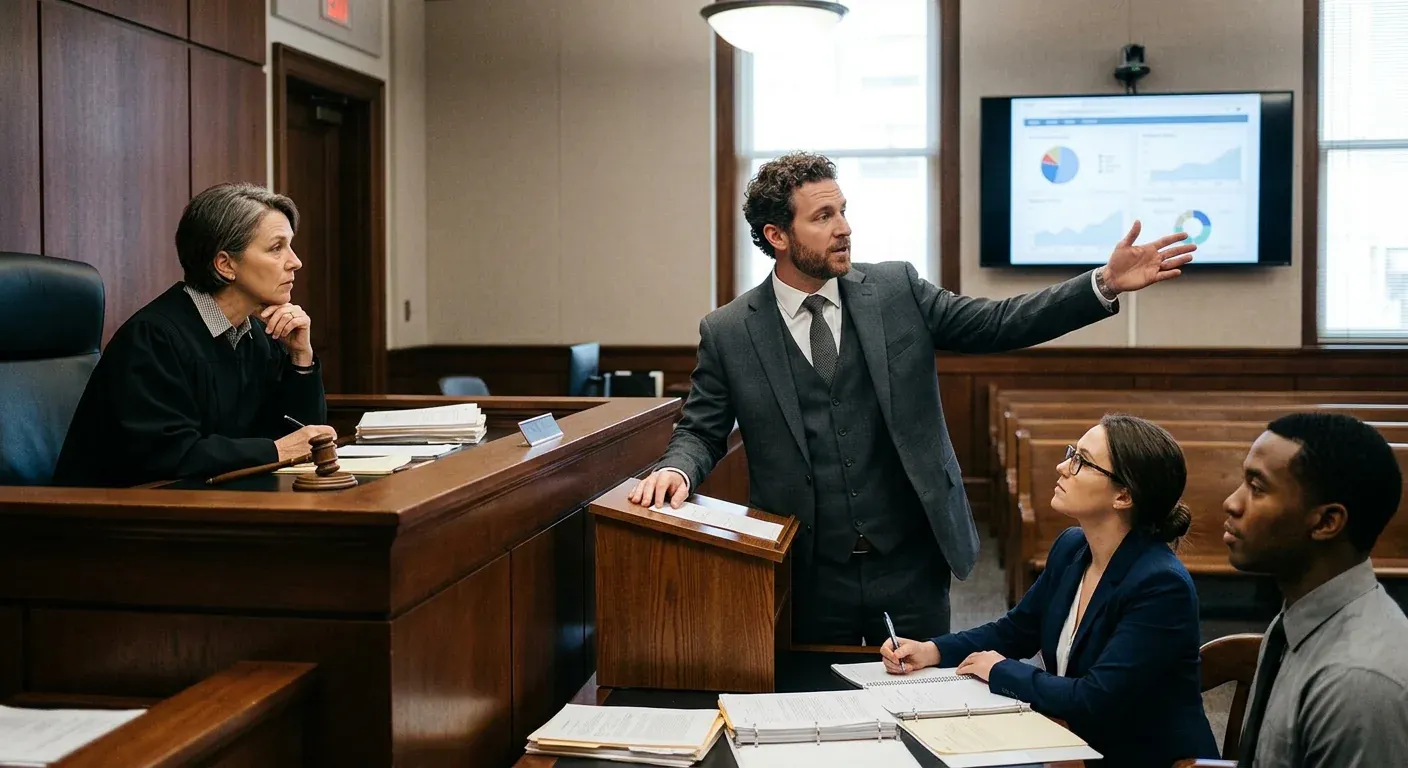
 Court Rules Pentagon's Blacklisting of Anthropic Unlawful
 From Archives
 EDB's Jain: Agent Purpose Must Be in the Data Record
 From Archives
 Anthropic's Self-Improving AI System Replicates Research Process
Research & Benchmarks
 From Archives
 Anthropic's Claude AI Integrates with Slack, Teams, and Discord
LLMs & Generative AI
Common Questions Answered
What did Judge Rita Lin rule regarding Trump's Anthropic blacklist?
Judge Rita Lin of the US District Court for the Northern District of California ruled that the Trump administration's blacklist of Anthropic was illegal and constituted unlawful retaliation. The judge vacated the ban that had frozen Anthropic out of federal business and prevented defense contractors from working with the company on non-military matters.
Why did the Trump administration originally designate Anthropic as a supply-chain risk?
The Trump administration designated Anthropic as a supply-chain risk to national security, but according to Judge Lin's ruling, this designation was actually retaliatory and not based on legitimate security concerns. The real issue was Anthropic's refusal to loosen restrictions on how its AI could be used by certain government entities, not any actual supply-chain vulnerability.
What was Anthropic's main point of disagreement with the government?
Anthropic refused to drop restrictions on certain government use cases for its AI technology, which led to the administration's blacklist. The company maintained these policy restrictions despite government pressure, ultimately leading to the legal dispute that Judge Lin resolved in Anthropic's favor.
Why does this ruling matter for AI companies and government regulation?
This ruling establishes important legal boundaries around how far the government can go in punishing AI companies for policy disagreements by disguising retaliation as national security concerns. It signals that Washington cannot use national security justifications to coerce AI companies into abandoning their safety or ethical restrictions, protecting companies' ability to maintain independent policies.
Further Reading
- Judge rules Trump administration's Anthropic blacklisting is illegal - POLITICO
- Trump blacklisting of "woke" Anthropic deemed illegal by federal judge - Ars Technica
- Judge Rules Trump Administration's Blacklisting of Anthropic Was Illegal - The Wall Street Journal
- Trump administration denies unlawful retaliation in Anthropic AI blacklisting - Reuters
- Anthropic wins preliminary injunction in Trump DOD fight - CNBC
