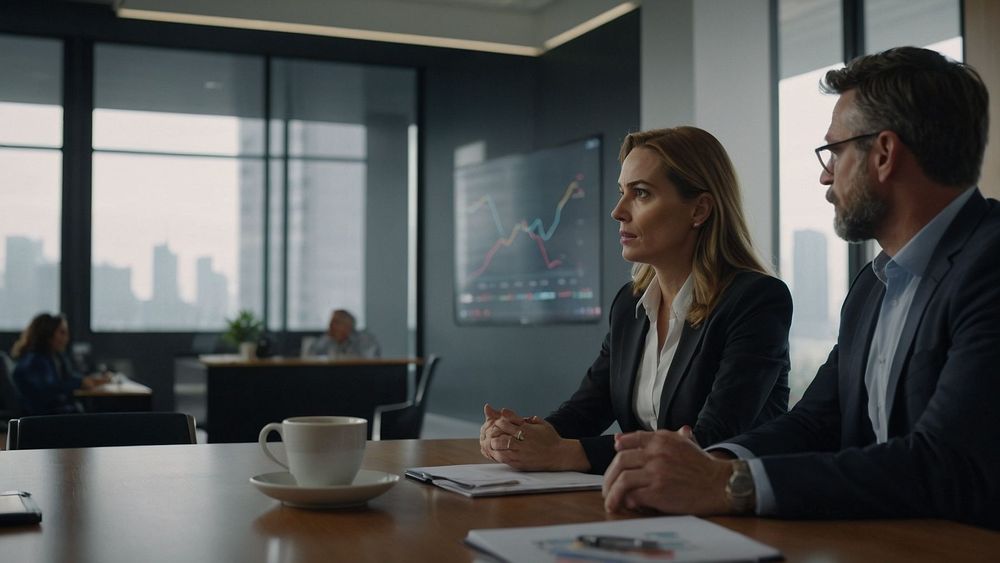
Editorial illustration for Anthropic's Dario Amodei Reveals Key Differences Between Enterprise and Consumer AI Models
Enterprise vs Consumer AI: Anthropic's Key Model Insights
Dario Amodei: Anthropic skips code reds, says enterprise AI differs from consumer models
Dario Amodei thinks the AI industry is making a classic mistake. It’s conflating consumer hype with enterprise reality, and pouring billions into a race that might have a cliff at the finish line. The Anthropic CEO draws a hard line between two things: the undeniable power of the technology, and the increasingly shaky economics of selling it.
His view is simple. Building AI for a business is a different engineering task from building a chatbot for the public. The models need different personalities, different capabilities.
They become part of a company's plumbing, not its parlor trick. This isn't a subtle shift. It changes everything about how you build and sell.
Amodei argued that enterprise-oriented AI systems differ significantly from consumer-focused ones. "It is surprising how different the personality and capabilities of the models are if you're building for businesses versus consumers," Amodei said. Addressing questions about long-term defensibility, Amodei said model switching is harder than it appears, even for companies using APIs.
Amodei said parts of the AI industry may be entering a bubble, pointing to massive capital spending by leading companies and warning that some players are "YOLOing" in their approach. He said the economic side of the AI boom carries real risks, even though the technology continues to progress rapidly. "There may be players in the ecosystem who, if they just make a timing error, if they just get it off by a little bit, bad things could happen," he said.
While he declined to name companies, the comment comes as OpenAI and others plan tens of billions in annual spending on compute and data centres. Amodei said he distinguishes between the strength of the technology and the uncertainty of the economics surrounding it.
That last part is the quiet bomb in the room. Amodei is watching rivals commit to spending tens of billions on compute, a bet that assumes demand will materialize at a precise moment to justify the cost. He calls this "YOLOing." A single timing error, he warns, could break a company.
His dig about Anthropic not doing "code reds" is a direct shot across the bow of firms like OpenAI, suggesting their culture is one of reactive panic, not steady building. The message is clear. The real risk isn't that the models stop working.
It's that the companies building them run out of money and time. Amodei is betting on patience in an industry that only knows sprint.
Related Reading
Browse all Anthropic news → Business & Startups
 Nordic pilot adds Gemini for Education, NotebookLM to boost AI literacy
 Business & Startups
 Kling launches Video O1, all-in-one model with MVL bridge using transformer
 Business & Startups
 DeepSeek Seeks More Capital Weeks After USD 7B Funding Round
 Related Topic
 Claude gains shared context in Excel, PowerPoint; Microsoft adds Copilot Cowork
AI Tools & Apps
 Related Topic
 Anthropic: Hackers Stole Claude Tokens Via Compromised Session Key
LLMs & Generative AI
 From Archives
 Healthify and Novo Nordisk India debut AI-driven obesity support program with Ria
 From Archives
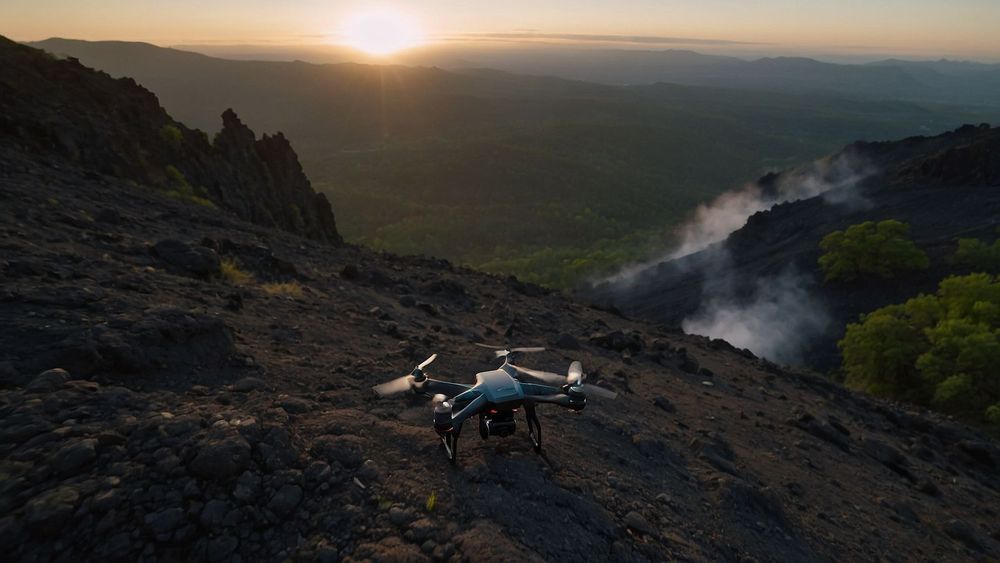
 Yandex launches AI service to track volcanic ash, safeguarding communities
 From Archives
 Anthropic to Acquire Bun as Claude Code Valuation Reaches USD 1 B Ahead of IPO Plans
 From Archives
 OpenAGI agent says it beats OpenAI and Anthropic; study deems over-optimistic
Research & Benchmarks
Common Questions Answered
How do enterprise AI models differ from consumer-focused AI models according to Dario Amodei?
Amodei argues that enterprise and consumer AI models have surprisingly different personalities and capabilities. The fundamental approach to model development varies significantly between business and consumer-oriented AI systems, challenging the traditional one-size-fits-all assumption in the tech industry.
Why is switching between AI models more difficult than many people assume?
According to Amodei, model switching is more complex than it appears, even for companies using APIs. The underlying technological barriers and unique characteristics of different AI models make seamless transitions much more challenging than surface-level comparisons might suggest.
What concerns does Dario Amodei express about the current state of the AI industry?
Amodei suggests that parts of the AI industry may be entering a bubble, characterized by massive capital spending by leading companies. His comments indicate a potential overheating in the AI market, with significant investments potentially outpacing sustainable technological development.
Further Reading
- How Anthropic's Enterprise Focus Avoids AI Code Red Frenzy — Thinking in Leverage
- Anthropic CEO Dario Amodei Sounds Alarm on A.I. Firms' 'YOLO' Spending — Observer
- Anthropic CEO warns AI rivals are 'YOLOing' into bubble territory — TechBuzz
- Anthropic Economic Index report: Uneven geographic and enterprise AI adoption — Anthropic
