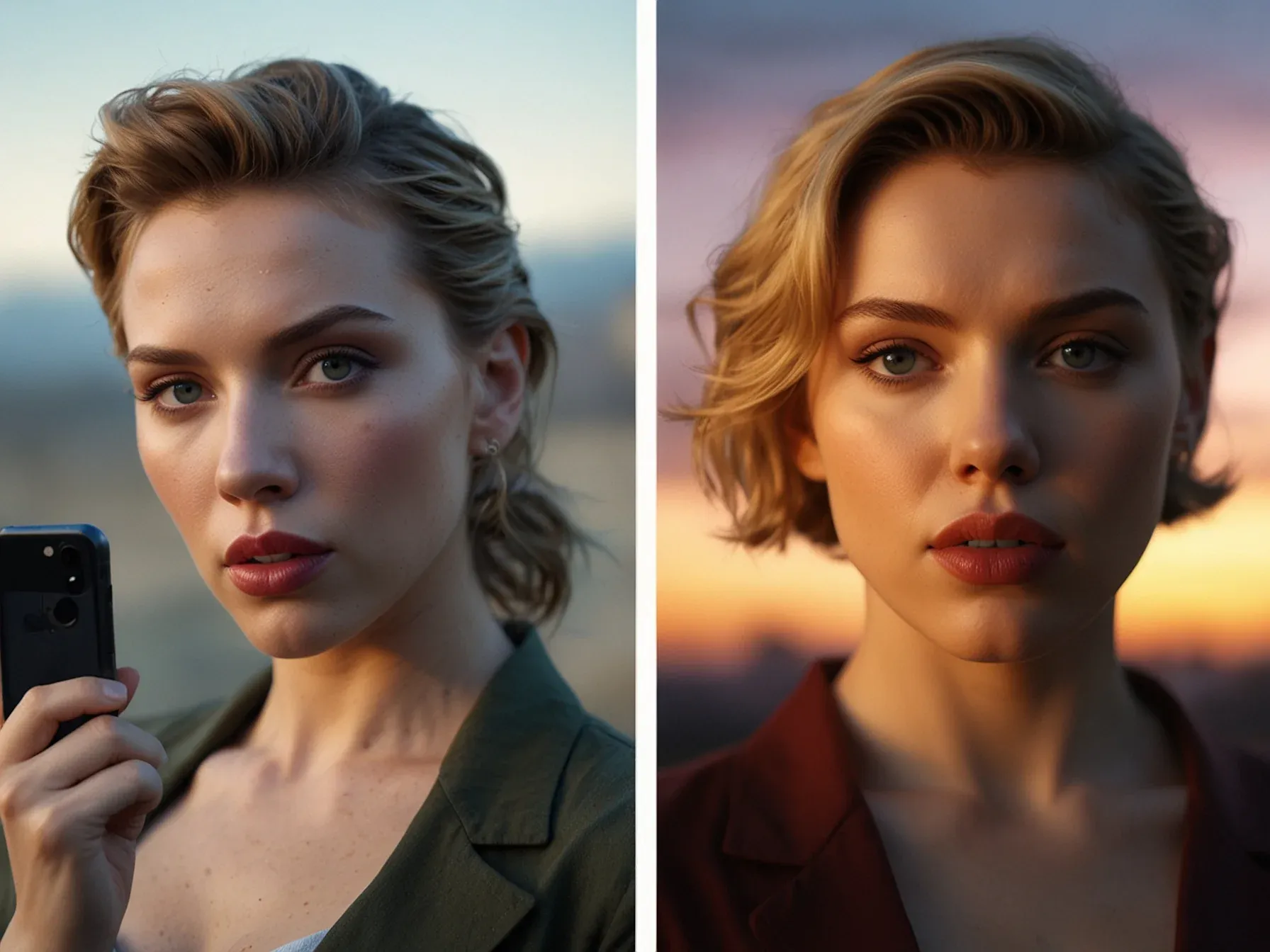
Editorial illustration for AI Deepfakes Spark Influencer Legal Battles Over Unauthorized Facial Likeness
AI Deepfakes Trigger Legal Showdown for Influencer Rights
AI Videos Fuel Influencer Drama, Raising Legal Threats Over Facial Likeness
Influencers are now fighting with video fakes of themselves. The legal threats are flying because no one knows who owns a face in the age of AI.
These aren't the crude deepfakes of five years ago. They're convincing clips used as ammunition in online feuds, capable of damaging reputations or monetizing a person's image without their permission. The technical barrier has collapsed. The legal one hasn't.
This creates a strange new professional hazard. Your entire digital identity, the thing you built a career on, can be replicated and weaponized by anyone with a subscription and a grudge.
The core tension is simple but unresolved. Who controls a person's digital ghost?
Notice the gap. Copyright lawsuits over AI training data are a crowded, noisy legal arena. Lawsuits over a stolen face are still rare.
The system isn't built for it. Existing laws on publicity rights are a patchwork of state statutes, utterly unprepared for synthetic media that can be generated in seconds and viewed globally.
Proposals like the NO FAKES Act try to create a federal right. They have support from unions and platforms who want clearer rules. But the legislation is slow. The technology is not.
For now, the threat of a lawsuit is often the only real deterrent. That's a rich person's solution. It leaves everyone else exposed.
This means the current landscape is pure negotiation, a blend of bluff and legal letterhead. It will stay that way until a major case sets a precedent, or Congress acts. Until then, your face is only as safe as your lawyer is scary.
Further Reading
- Should You Send Your Photo or Video Online for Verification? Experts Warn of Existing and Future AI-Driven Crime Risks - New Media European Press
- 8 Deepfake Threats to Watch in 2026 - Mea Digital Evidence Integrity
- How Safe is Your Face? The Challenges of Facial Recognition Tech - CEPA
- When deepfake dangers cause real crises - EY
Related Reading
 Policy & Regulation
 Akamai Proposes SAFE Cybersecurity Guidelines for AI Threats
 Policy & Regulation
 After ditching AI fitness apps and a Fitbit, I return to Peloton classes
 Policy & Regulation
 Sony Music, Warner Chappell Sue Anthropic Over "Blatant Theft
 From Archives
 Google Nest Cam 2K Review: AI-powered Gemini cuts spammy alerts
 From Archives
 Reddit sues Perplexity over illegal scraping of its content from Google
Common Questions Answered
How are AI deepfakes transforming the legal landscape for influencers?
AI deepfakes are creating a complex legal environment where unauthorized facial reproductions can trigger significant legal challenges. Celebrities like Scarlett Johansson are increasingly taking legal action to protect their digital likeness, signaling a new frontier of digital rights and personal protection.
What makes AI-generated content a potential 'weapon' in online conflicts?
AI deepfake technology allows individuals to create highly convincing synthetic videos that can manipulate or misrepresent a person's image and actions. These unauthorized videos can be used to damage reputations, create false narratives, or escalate personal and professional disputes in ways that were not previously possible.
Why are tech platforms and creators struggling with AI deepfake boundaries?
The rapid evolution of deepfake technology has outpaced existing legal frameworks, creating uncertainty around digital rights and personal likeness protections. Platforms are challenged to develop policies that balance creative expression with individual privacy and consent, while creators navigate the complex ethical and legal implications of AI-generated content.
Further Reading
- Forged Faces, Real Liability: Deepfake Laws Take Effect in Washington State and Pennsylvania — Crowell & Moring
- AI deepfakes in 2025: Global legal actions taken this year — Agility PR Solutions
- What Businesses Must Know About Deepfakes, Fraud, and AI-Generated Media — Internet Lawyer Blog
- Ai and Deepfakes: A Warning for Brands and Influencers — AI Law
- Narrative Attack and Deepfake Scandals Expose AI's Threat to Reputation — Blackbird.AI
