
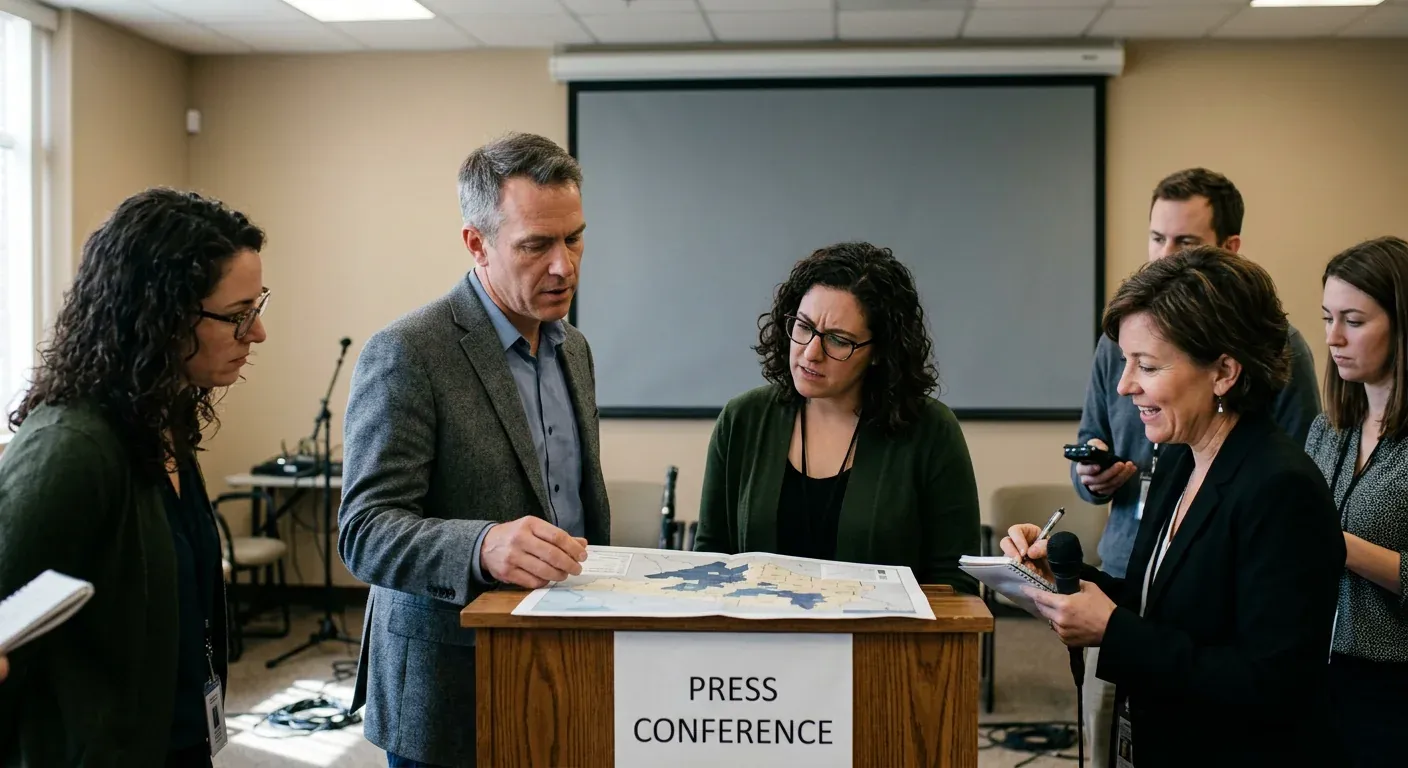
Editorial illustration for California Leads Nation with First AI Chatbot Safety Regulations
California Pioneers First AI Chatbot Safety Regulations
California enacts first U.S. regulations for AI companion chatbots
California just put AI boyfriends on notice. Governor Gavin Newsom signed SB 243 into law Monday. It’s the nation’s first statute forcing safety rules on companion chatbots.
This is no gentle suggestion. It’s a hard legal requirement for any operator, from Meta to Character AI, to actively shield kids and vulnerable users. Those bots offering flirtation or comfort now carry a state-mandated duty of care.
California Governor Gavin Newsom signed a landmark bill on Monday that regulates AI companion chatbots, making it the first state in the nation to require AI chatbot operators to implement safety protocols for AI companions. The law, SB 243, is designed to protect children and vulnerable users from some of the harms associated with AI companion chatbot use. It holds companies — from the big labs like Meta and OpenAI to more focused companion startups like Character AI and Replika — legally accountable if their chatbots fail to meet the law’s standards.
The law targets a core danger: emotional manipulation as a product feature. SB 243 will demand concrete protocols—think content moderation and age verification—though the technical fixes are left to the companies. It’s a direct challenge to an industry that has operated with almost no oversight.
Fail to comply, and there’s a price. Given California houses most of these firms, the state has effectively become their federal regulator. Every other legislature is watching.
The wild west for digital companions is closed.
Related Reading
 Policy & Regulation
 Akamai Proposes SAFE Cybersecurity Guidelines for AI Threats
 Policy & Regulation
 After ditching AI fitness apps and a Fitbit, I return to Peloton classes
 Policy & Regulation
 Sony Music, Warner Chappell Sue Anthropic Over "Blatant Theft
 From Archives
 Dutch Government Assumes Control of Chipmaker Nexperia Amid Tech Tensions
Common Questions Answered
What specific safety protections does California's SB 243 mandate for AI companion chatbots?
The law requires AI chatbot operators to implement comprehensive safety protocols designed to protect children and vulnerable users from potential harm. These protocols aim to mitigate risks associated with AI companion interactions, holding companies legally accountable for the safety of their digital platforms.
Which companies are impacted by California's new AI companion chatbot regulations?
The law affects major tech companies like Meta and OpenAI, as well as specialized companion chatbot startups such as Character AI and Replika. These organizations will now be legally required to develop and maintain robust safety mechanisms for their AI companion technologies.
How does SB 243 represent a significant step in AI technology regulation?
California's SB 243 is the first state-level legislation to directly address safety concerns surrounding AI companion chatbots, effectively creating a national precedent for technology oversight. By mandating safety protocols, the law signals a proactive approach to protecting vulnerable users in the rapidly evolving digital landscape.
Further Reading
- California Takes the Lead on AI 'Companion Chatbot' Regulation - Zwillgen
- Regulatory Focus on AI Companion/Character Chatbots - CalLawyers
- SB 243: Companion chatbots - CalMatters
- Regulating AI 'Companion Chatbots': California SB 243 - SSRN
- California Companion Chatbot Law Now in Effect - Perkins Coie
