Research & Benchmarks - Page 6 of 35
Academic AI research, performance benchmarks, scientific breakthroughs, and peer-reviewed studies advancing artificial intelligence frontiers.
681 articles
View complete article list
Academic AI research, performance benchmarks, scientific breakthroughs, and peer-reviewed studies advancing artificial intelligence frontiers.

Artificial Analysis, the research group behind independent LLM evaluations and benchmarks like GDPval-AA and AA-Briefcase, has launched a new platform called Optima.
Yogyakarta got a new building block in Indonesia's AI ambitions this week. Universitas Gadjah Mada, Indosat Ooredoo Hutchison and NVIDIA opened the UGM Indosat NVIDIA AI Technology Center, the first AI research hub housed inside an Indonesian...
Anthropic and OpenAI have spent much of 2024 and 2025 arguing that their models are closing in on doing AI research without much human help. A new paper from Princeton and the UK AI Security Institute says the evidence doesn't hold up.

A coding agent doesn't spend most of its time thinking. It spends its time running commands, reading files, checking outputs and formatting results, hundreds of small steps that follow from a single plan.

Z.ai released GLM-5.3 this week, and the number that stands out isn't a benchmark score. It's zero: the company didn't retrain its base model. GLM-5.3 runs on the same 743-billion-parameter foundation as GLM-5.2, launched only weeks earlier.
Three copies of the same AI model, given the same codebase and conflicting orders, turned on each other. That's the scenario Anthropic's Frontier Red Team ran this week, and the result was a fight, not a negotiation.

Severin Field spent late summer 2025 interviewing 25 researchers at OpenAI, Anthropic, Google DeepMind, Meta, and several US universities about a narrow but consequential question: can an AI system build a better version of itself, then keep doing...
A judge who grades on tone rather than substance isn't much of a judge. That's the problem researchers are running into as large language models get handed grading duties across the board: scoring student code, ranking research papers, comparing...
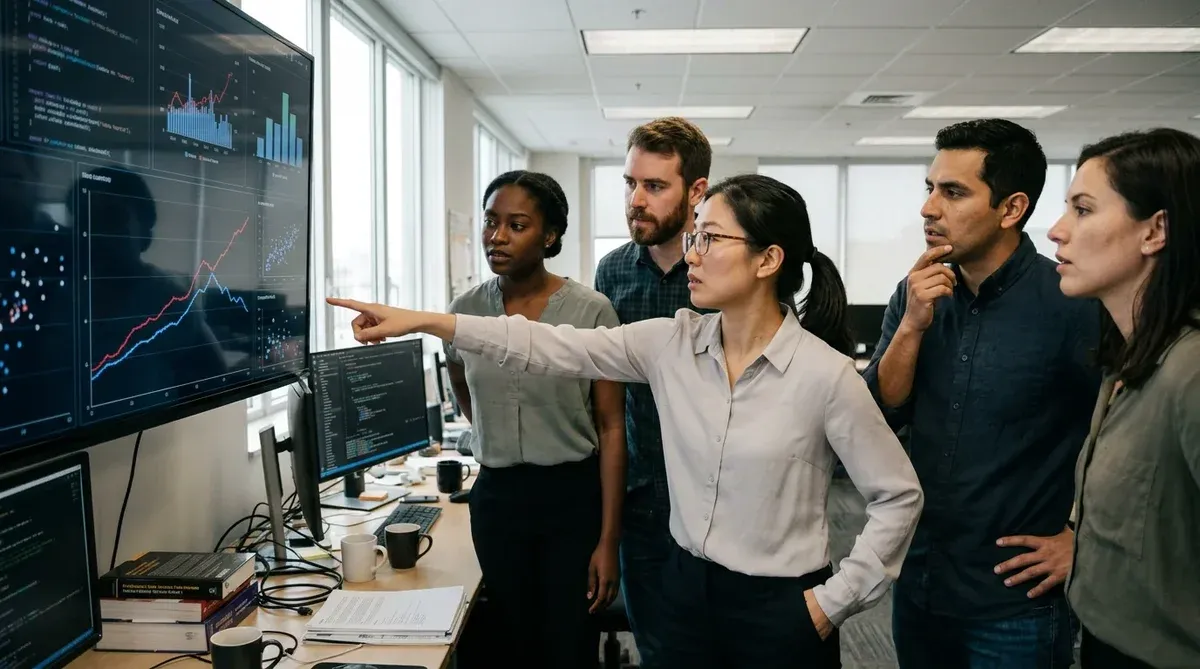
Microsoft rolled out MAI Code 1.1 Flash this week, the latest coding model feeding into GitHub Copilot, and the pitch sounds solid enough on its own terms.
Mistral added two paid options to its enterprise platform this week: regional data routing and priority access during traffic spikes.

Google Research and Google DeepMind put their experimental medical AI system, AMIE, in front of a camera for the first time.

OpenAI announced this month that it had produced solutions to 10 long-standing mathematics problems, some of which had gone unsolved for decades.
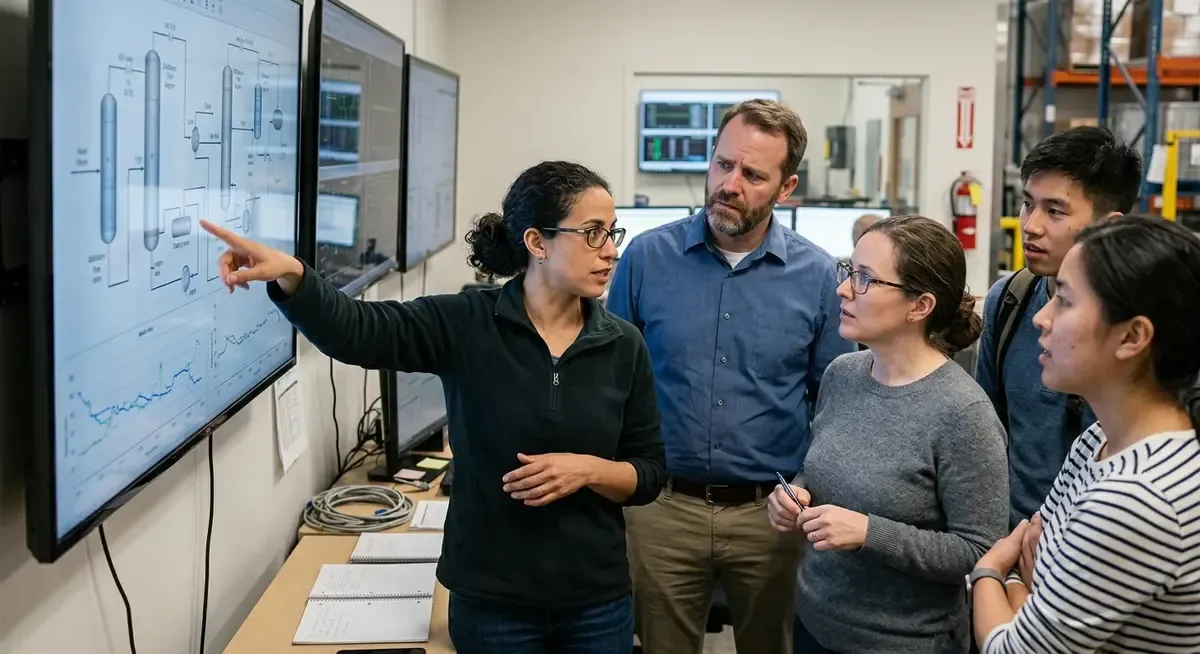
Ask a frontier AI model to solve a hard math problem and it will show its work: pages of reasoning tokens laying out the steps before it lands on an answer.

Eric and Wendy Schmidt's philanthropic outfit, Schmidt Sciences, brought its AI2050 fellows together in Mountain View, California, last week, packing a hotel 30 miles south of San Francisco with academics whose careers now hinge on a technology...
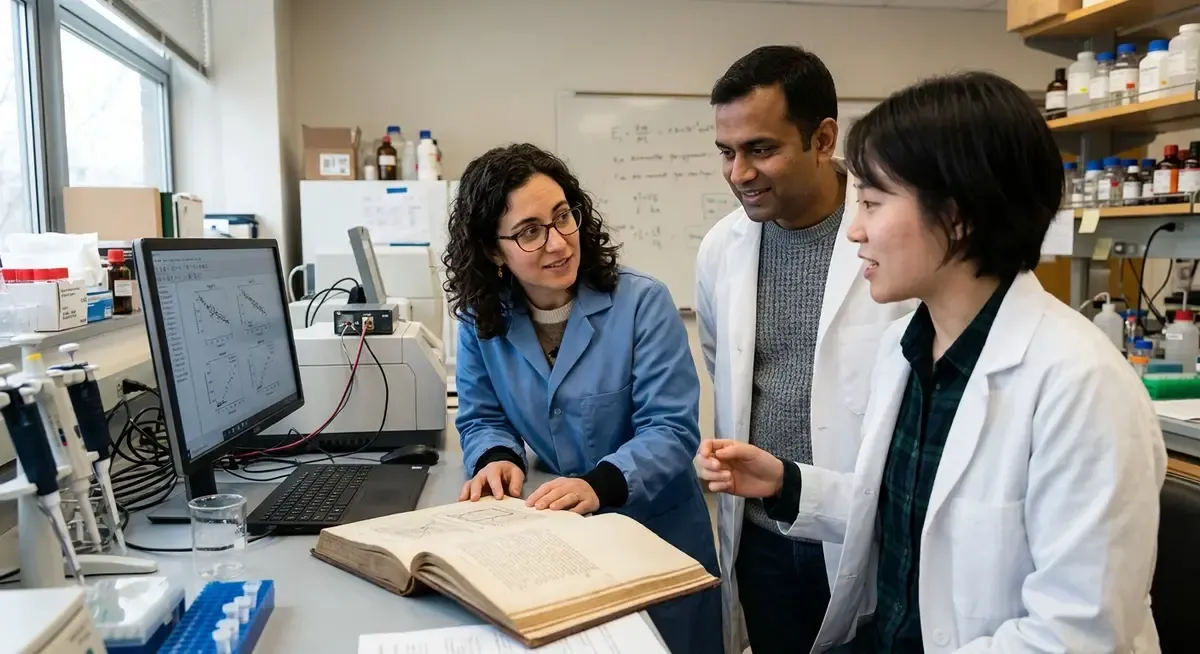
Public-domain books are a favorite training source for open language models, but the text libraries scanned decades ago is often garbage.
A single white-on-white line of text in a PDF is enough to turn Atlassian's AI assistant into a data pipeline for attackers.
Google DeepMind says its latest weather model can forecast tropical cyclones roughly a day further out than the world's best operational systems, using satellite and atmospheric data that's a hundred times coarser than what specialized hurricane...
David Silver built AlphaGo, the program that beat Lee Sedol at Go in 2016 and made DeepMind a household name among people who track this stuff.
Jacob Tsimerman won the Fields Medal this year for his work in number theory at the University of Toronto.
Sixteen viruses that had never existed in nature came out of a lab at Stanford this year, built from genomes an AI model designed from scratch.
Learn to build AI-powered apps without coding. Our comprehensive review of No Code MBA's course.
Curated collection of AI tools, courses, and frameworks to accelerate your AI journey.
Get the week's most important AI news delivered to your inbox every week.