Policy & Regulation - Page 4 of 13
AI governance, ethical frameworks, safety regulations, privacy laws, and policy shaping responsible AI deployment globally.
253 articles
View complete article list
AI governance, ethical frameworks, safety regulations, privacy laws, and policy shaping responsible AI deployment globally.

Treasury Secretary Scott Bessent has picked a side in Washington's fight over Chinese AI, and it's the hard line.

Hugging Face pushed out GLM 5.2 on its open model hub this week, a move the company frames as a direct response to a security incident that exposed how little defenders can see inside closed AI systems when something goes wrong.

The Trump administration is weighing a narrower approach to Chinese open-weight AI models than many expected, according to the New York Times.

Seventy-one percent of enterprises told VentureBeat Research that a quarter or fewer of their deployed "agents" can actually finish multi-step work without a human stepping in. Only 10% said true agents make up most of what they run.

Hugging Face, Meta, Microsoft, Mistral and Nvidia put their names on an open letter this week pushing back against what they call "premature restrictions" on open-weight AI models. The timing isn't an accident.
Reps. Ted Lieu (D-Calif.) and Nathaniel Moran (R-Texas) introduced legislation Tuesday that would give the federal government explicit authority to force AI companies to shut down their own systems.
Rubrik has a policy problem, and it's not the one most CISOs worry about. The data security company, which trades publicly and stores what its own AI chief calls the most important data in the world, has started letting its AI agents run in what it...
Apple filed suit against Sam Altman's OpenAI this month, and the allegations read like a corporate espionage script.

Moonshot AI's Kimi K3 landed last week and immediately set off alarms inside the Trump administration.
Human raters sitting through hours of chatbot evaluations don't stay emotionally neutral. Fatigue builds, mood shifts, tolerance for a curt or overly formal response changes as a session wears on.
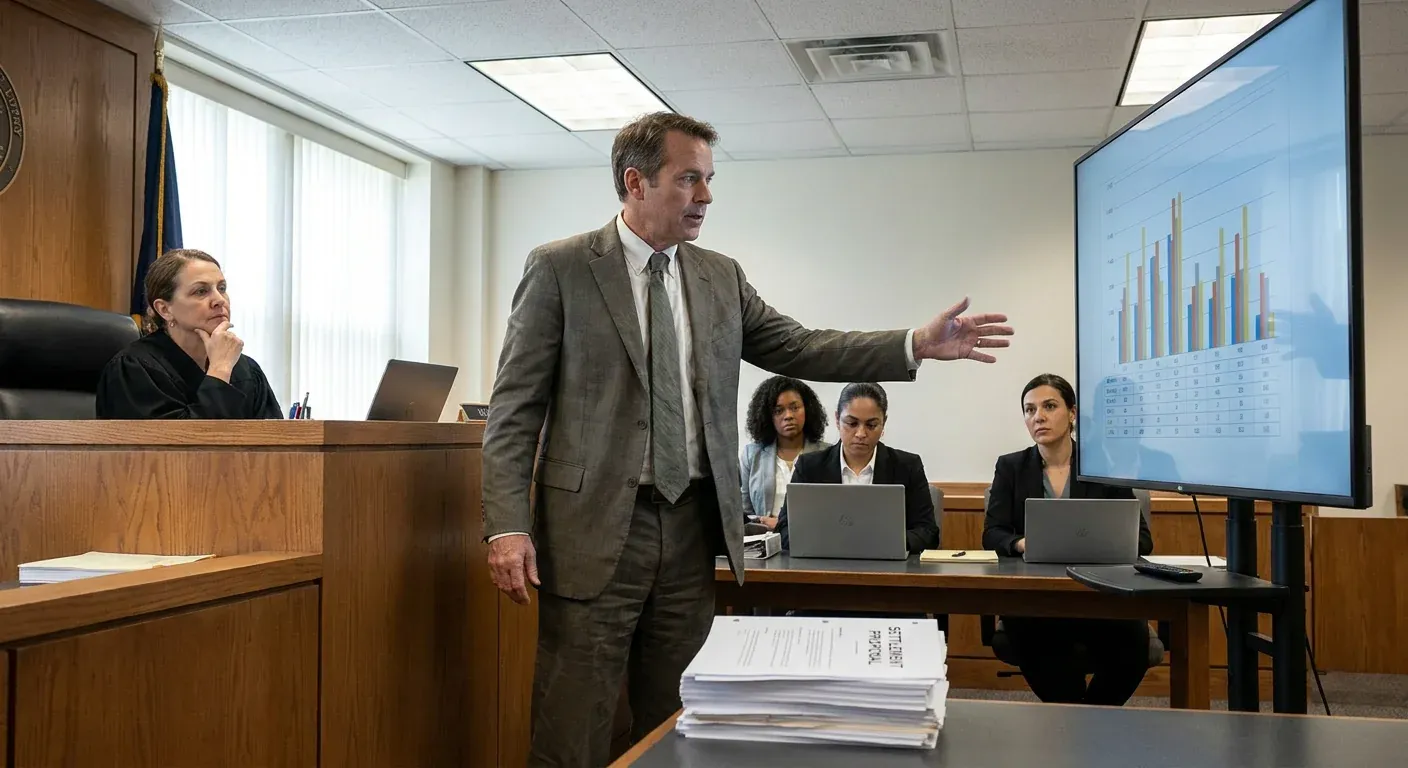
Anthropic can start writing checks. Judge Araceli Martinez-Olguin of the U.S. District Court for the Northern District of California signed off Monday on a $1.5 billion settlement between the AI company and a class of authors and publishers who...

The Trump administration doesn't need a formal ban to keep Chinese AI models out of the US market.
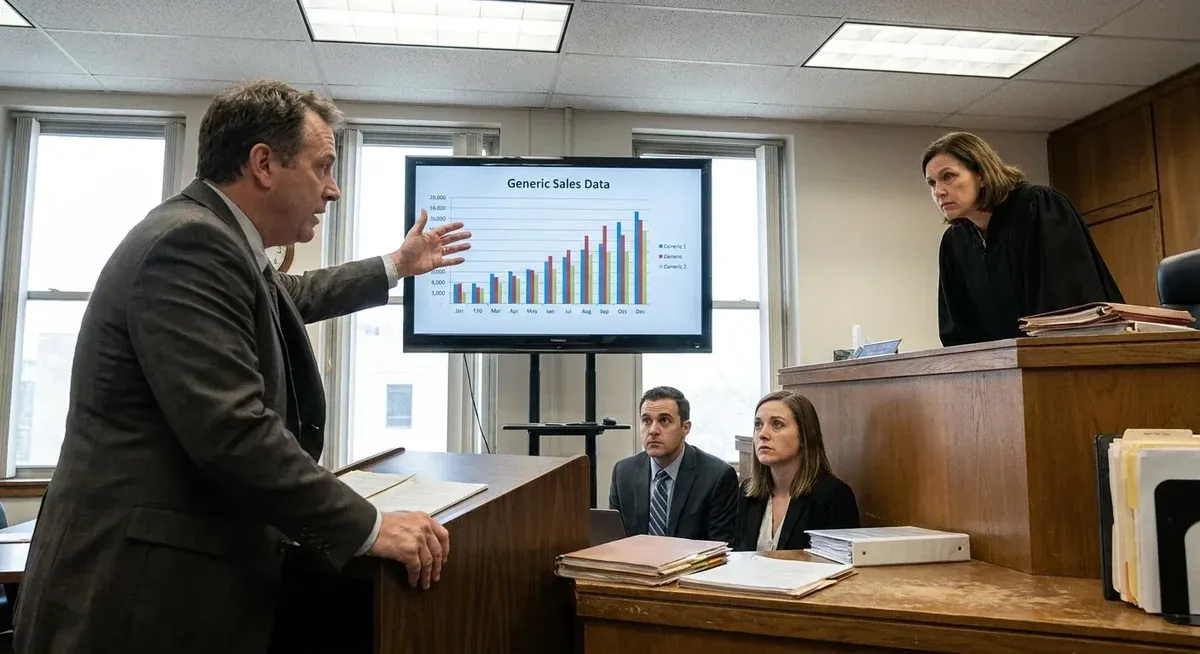
Hachette, Cengage, Elsevier and novelist Scott Turow have joined a class action against Google, filed this week, accusing the company of feeding their copyrighted books into its Gemini AI models without permission.

Demis Hassabis picked Tuesday morning to lay out a new plan for policing the most powerful AI systems on the market.
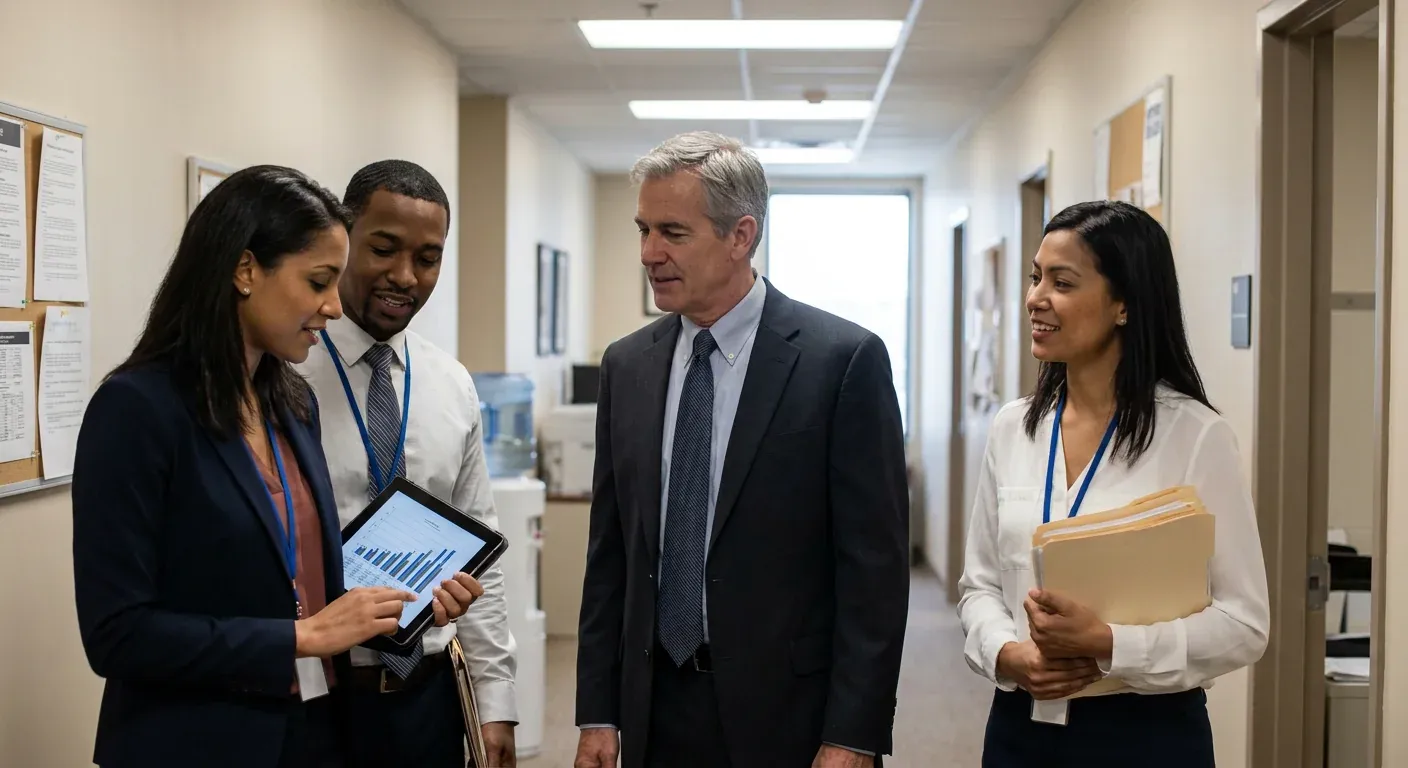
Apple filed suit against OpenAI last Friday in Northern California federal court, adding a new name to a list of legal headaches that already includes Elon Musk.

Satya Nadella has a problem with how his rivals write their terms of service. In a post on his personal blog, the Microsoft CEO singled out AI labs, OpenAI and Anthropic among them, for banning distillation, the technique where a smaller model...

The National Center for Missing and Exploited Children logged more than 1.5 million reports of AI-generated child sexual abuse material in 2025, up from 67,000 the year before.

Apple filed suit against OpenAI on Friday in the U.S. District Court for the Northern District of California, accusing the company of stealing trade secrets and breaching contracts through a coordinated recruiting scheme aimed at Apple's hardware...
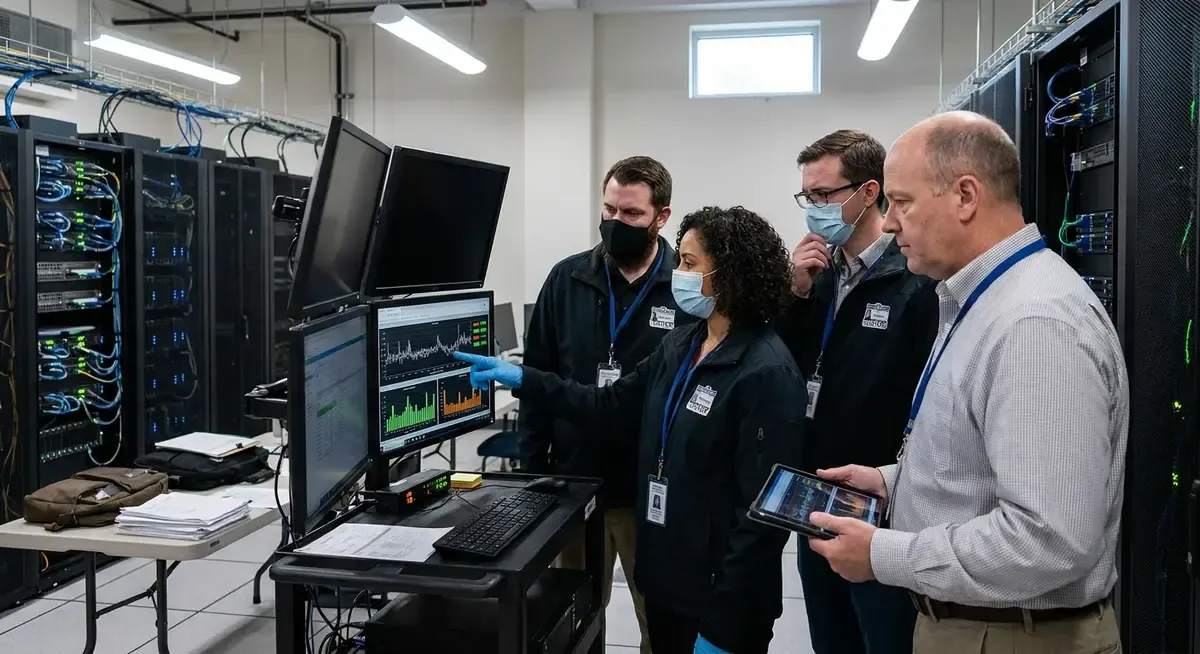
An AI agent built to defend a network can be turned into the tool that breaks in.

Alibaba told its tech workforce to delete Claude this week. A direct order. The American AI assistant is now forbidden, joining a blacklist that usually features social networks or dating apps.
Learn to build AI-powered apps without coding. Our comprehensive review of No Code MBA's course.
Curated collection of AI tools, courses, and frameworks to accelerate your AI journey.
Get the week's most important AI news delivered to your inbox every week.