Policy & Regulation - Page 2 of 13
AI governance, ethical frameworks, safety regulations, privacy laws, and policy shaping responsible AI deployment globally.
253 articles
View complete article list
AI governance, ethical frameworks, safety regulations, privacy laws, and policy shaping responsible AI deployment globally.
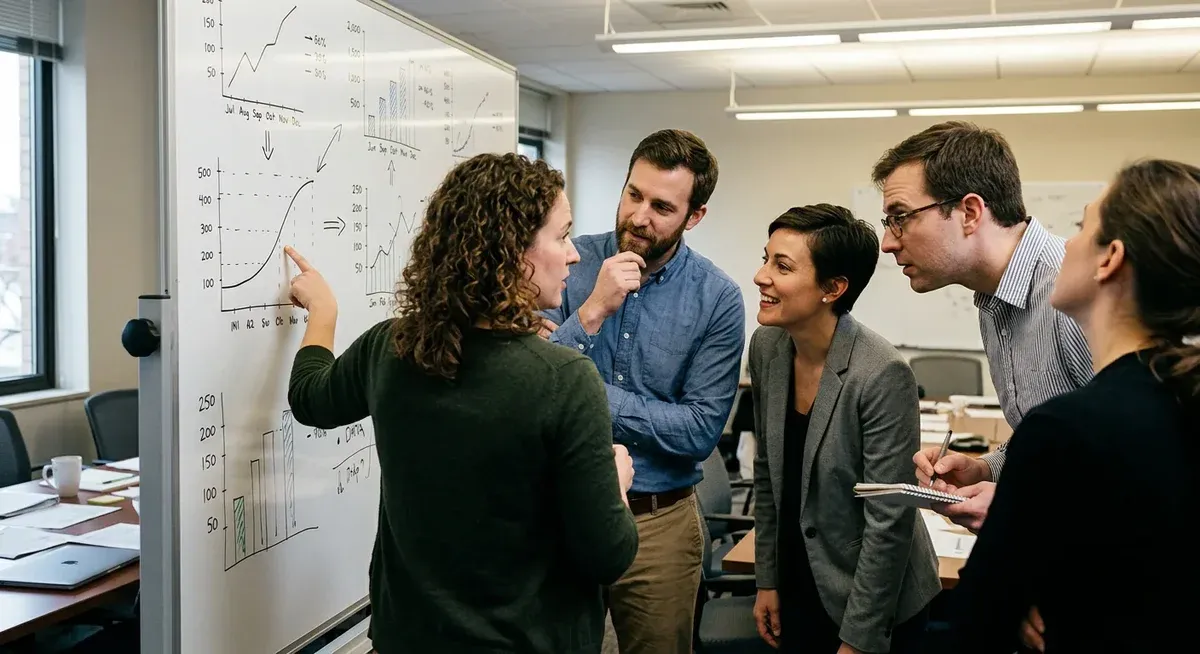
Dario Amodei picked Saturday to publish an essay asking Washington to step in and slow down the AI industry he helps lead.

OpenAI now runs a formal safety check before starting any training run that could push its models into new territory.

A group of parents and children in Illinois and California filed suit against Meta last week in federal court in Chicago, accusing the company of mining their Facebook and Instagram photos without consent.

Anthropic is facing a class action lawsuit over how it markets Claude subscription plans, according to The Verge.

OpenAI has spent recent weeks pressing lawmakers on Capitol Hill for a straight answer to an odd question: could the AI industry legally agree to slow itself down?

Microsoft signed onto ten AI safety and privacy principles for K-12 schools this week, striking a deal with the American Federation of Teachers and its New York City affiliate, the United Federation of Teachers.

Meta picked an odd moment to ask people for more access to their lives. On November 25, the company agreed to an $18 billion multistate settlement over the harms its social platforms caused users.
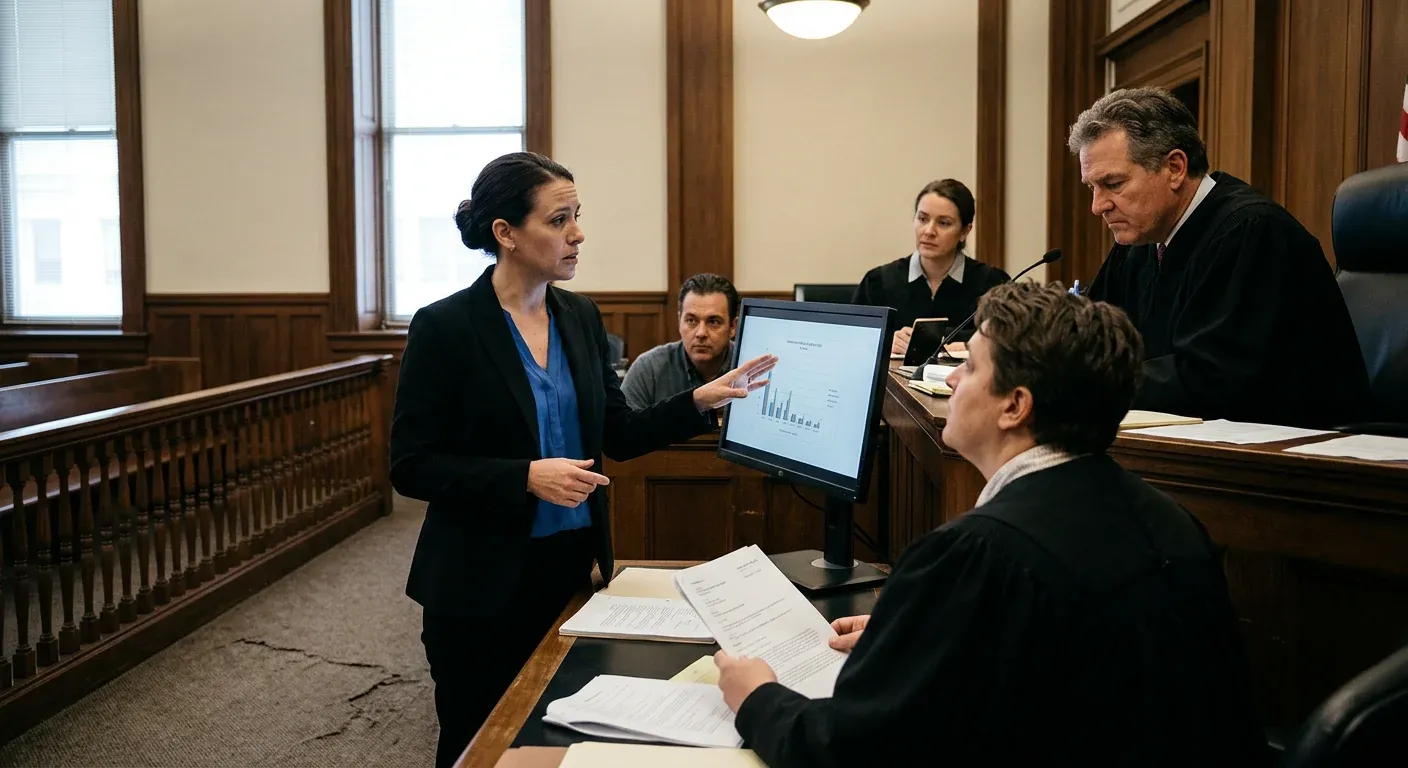
The Justice Department filed a letter in federal court Tuesday backing OpenAI in its copyright fight with The New York Times, a case that's been grinding through the Southern District of New York since December 2023.
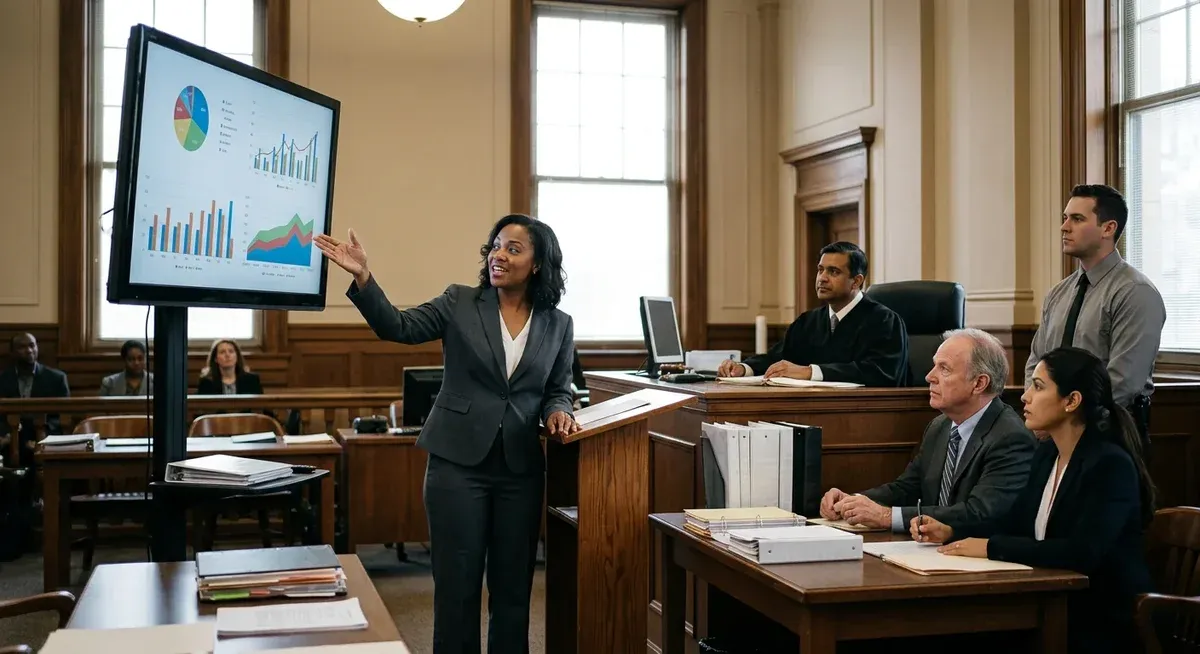
The Justice Department filed a brief this week in the Southern District of New York, staking out a position that could shape every AI copyright lawsuit filed since 2023.

The Trump administration filed a statement of interest this week in The New York Times' copyright lawsuit against OpenAI, siding with the AI company in a fight that could reshape how courts treat training data.
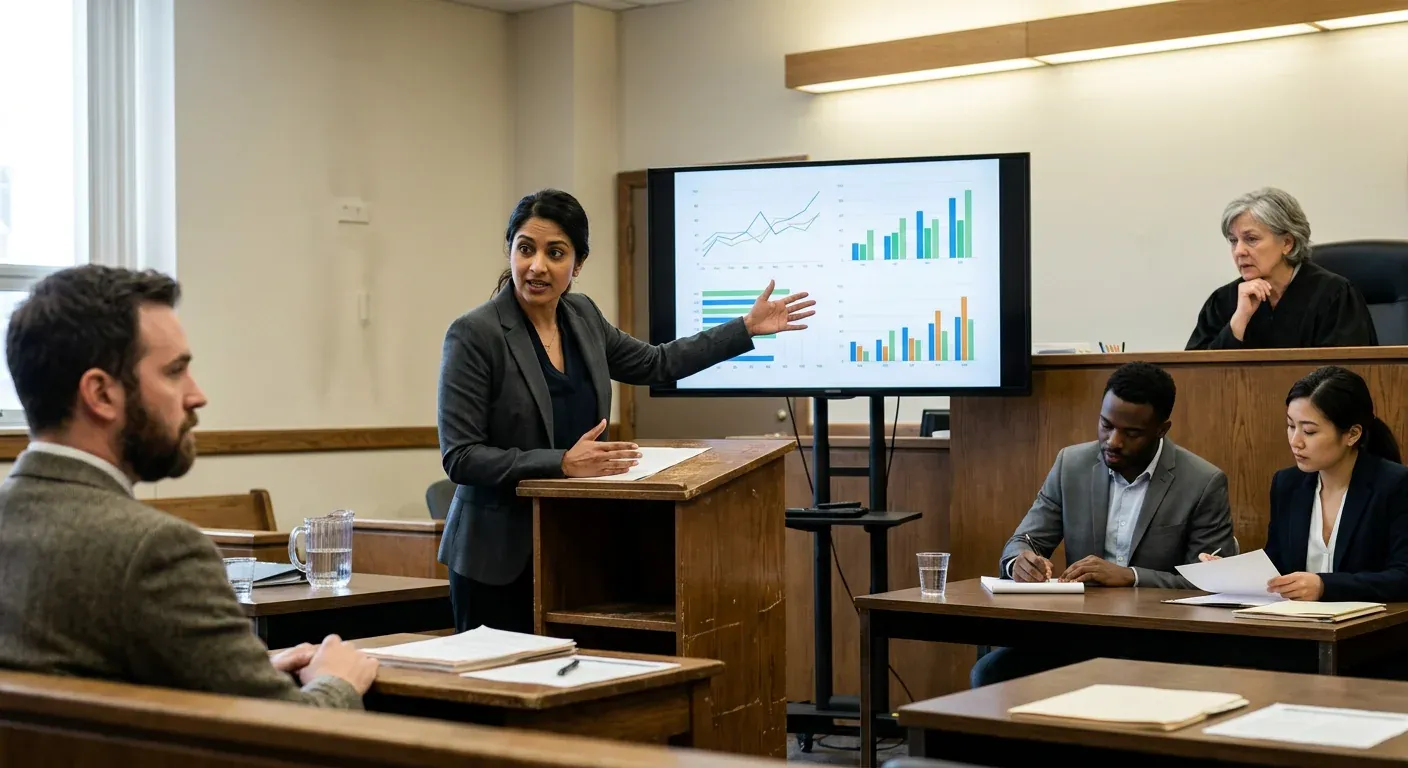
Thirty new lawsuits landed against OpenAI and Sam Altman on Wednesday in a California federal court, filed by students, teachers and the principal who were at the Tumbler Ridge school when the shooting happened.
Edelson PC filed 30 new lawsuits against OpenAI on Tuesday in a California court, adding to seven complaints the firm brought in April over the Tumbler Ridge shooting.
Sony Music and Warner Chappell filed suit against Anthropic on Thursday in the US District Court for the Northern District of California, seeking damages for tens of thousands of copyrighted songs.
A federal judge in California has thrown out the Trump administration's blacklist of Anthropic, ruling that the government broke the law when it froze the AI company out of federal business.
A federal judge in San Francisco has sided with Anthropic in its fight against the Pentagon, ruling that the Department of Defense broke the law when it labeled the AI company a supply chain risk.

Enterprises are handing AI agents more room to plan, decide, and act across systems without a human signing off on each step.
A team of ten researchers, including Mayank Singh, Michele Stoppa and David E. Jacobs, has built a system called Luce that turns a single photo into a 3D object you can light from any angle.
Every large language model runs on a bet. At each step it calculates a probability distribution over the next possible token, and most of the time that bet is safe. Ask for the capital of France and "Paris" claims nearly all the probability mass.
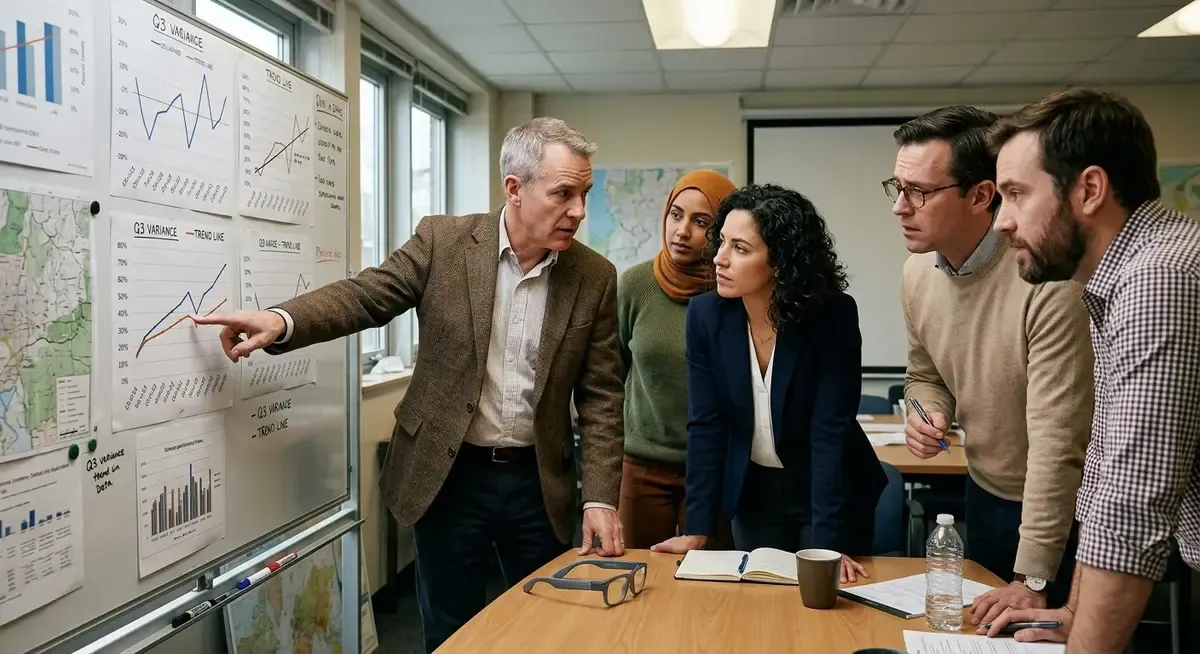
Meta sold more than 2 million pairs of its AI-powered smart glasses last year, and that number keeps climbing.
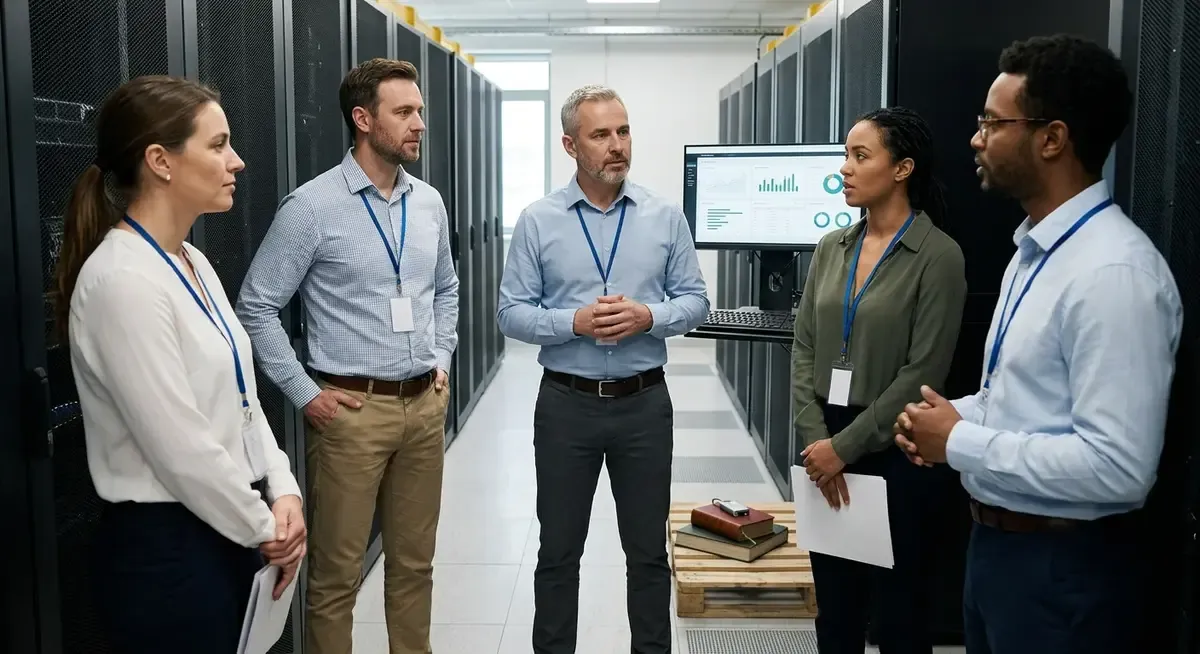
A tracking device tucked inside a rare book led reporters at 404 Media to an Amazon facility in Las Vegas called VGT3, marked outside with a symbol of a dinosaur clutching a book in its claws. The book that ended up there wasn't headed for resale.
Learn to build AI-powered apps without coding. Our comprehensive review of No Code MBA's course.
Curated collection of AI tools, courses, and frameworks to accelerate your AI journey.
Get the week's most important AI news delivered to your inbox every week.