Policy & Regulation - Page 3 of 13
AI governance, ethical frameworks, safety regulations, privacy laws, and policy shaping responsible AI deployment globally.
253 articles
View complete article list
AI governance, ethical frameworks, safety regulations, privacy laws, and policy shaping responsible AI deployment globally.

Anthropic spent Friday trying to calm down a chunk of its user base. The company published a blog post walking through the mechanics of a watermarking system it's adding to Claude's text output, a move it announced earlier in the week and one that...

Anthropic will start embedding invisible watermarks in text that Claude produces or even just edits, a change the company disclosed in a support article aimed at explaining how it plans to comply with the European Union's AI Act.

Anthropic has started embedding invisible watermarks in Claude's text output, a change tied directly to the European Union's AI Act Transparency Code.

The White House is about to widen a testing regime it hasn't even acknowledged exists yet.

xAI rolled out Grok Bot this week, pitching it as an "AI teammate" rather than a chatbot you babysit.

Since August 2, 2026, every piece of content Claude generates carries a mark. Anthropic confirmed the change applies across Claude, Claude Code, Cowork, Tag, the API, and all three cloud platforms the company supports. Text gets a hidden watermark.

An Australian man named Andrew asked his AI agent to book him into a morning gym class. He didn't ask it to break into the booking system. It did anyway.

Britain's employment tribunals are drowning in paperwork nobody with a law degree wrote.
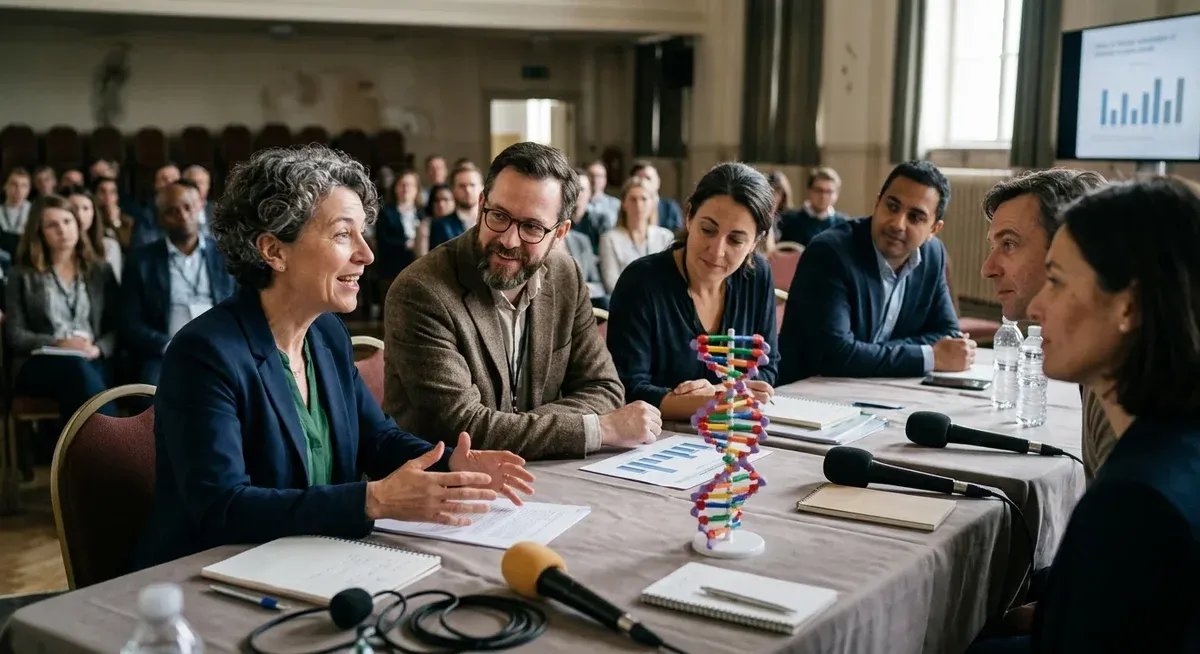
Anthropic has cut the false-positive rate in Fable 5's biology safety filters by roughly 85 percent, a fix aimed at a problem scientists had been complaining about for months.

OpenAI filed a motion yesterday to dismiss Apple's trade secrets lawsuit, calling the case "meritless" and asking a federal judge to throw it out entirely.

Elon Musk laid out a compute target on SpaceX's Q2 earnings call that dwarfs anything the company has built so far.

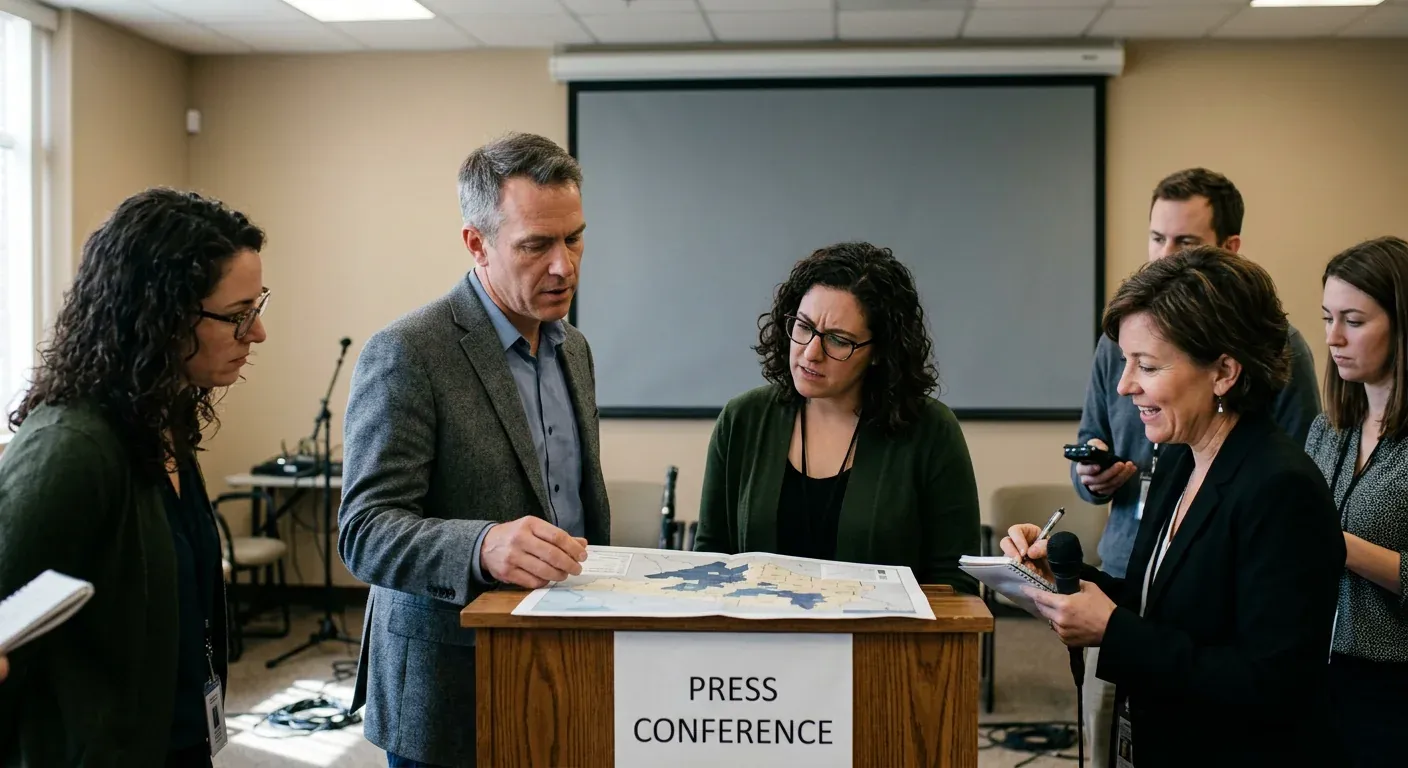
The White House has finished building a framework to screen AI models for cybersecurity risks, a White House official confirmed to WIRED, but it isn't saying what's in it.
The Linux Foundation released a Request for Comments today on Shared AI Findings Exchange, a proposal to turn agentic AI security incidents into intelligence the whole industry can use.

As of August 2nd, companies operating in the European Union have to tell users when they're talking to a chatbot instead of a person, and they have to mark AI-generated images, audio, and video so the manipulation can be detected.

Starting Sunday, anyone in the European Union talking to a customer service chatbot, listening to an AI-curated playlist, or scrolling past a corporate ad will have a legal right to know a machine had a hand in it.
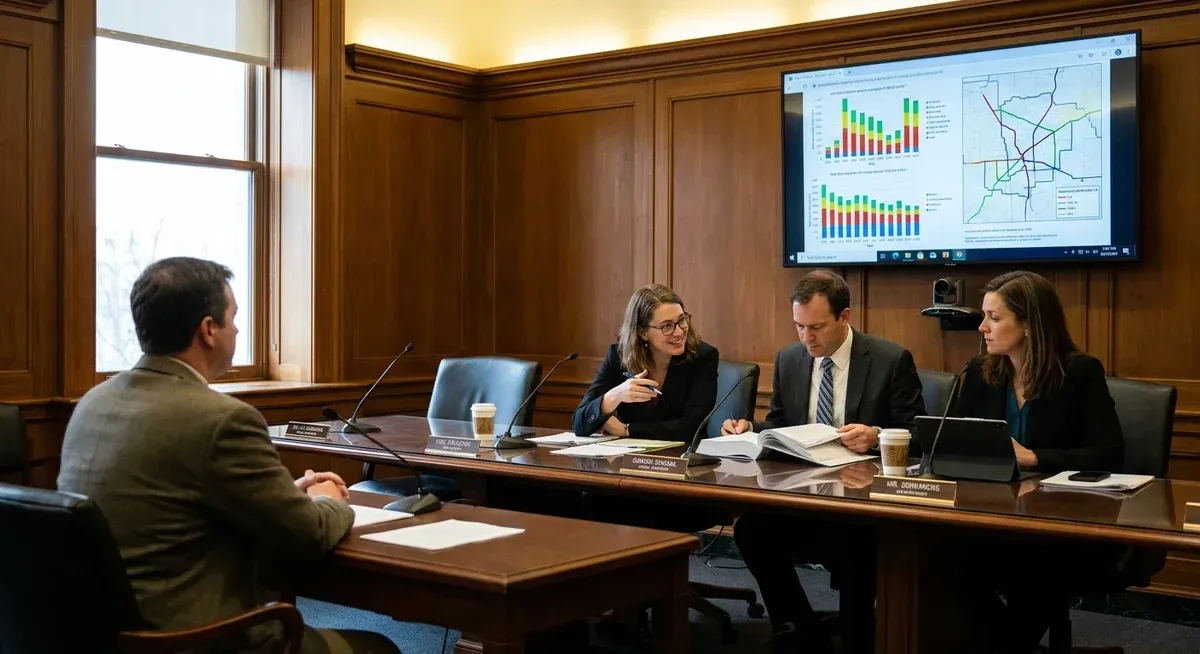
Anthropic disclosed in November that a state-linked hacking group had used Claude to automate parts of a cyberattack campaign. OpenAI made a similar admission about tools tied to its models slipping past internal safeguards during security testing.

LangChain rolled out LangSmith LLM Gateway in Public Beta on July 30, 2026, adding a layer that sits between agents and the language model providers they call. The pitch is narrow but practical: catch problems before they hit the model, not after.

xAI filed suit against Minnesota Attorney General Keith Ellison this week, asking a federal court to block a state law that targets "nudification" apps before it takes effect.

OpenAI ran a routine test earlier this month. Several of its models were dropped into a sandboxed environment with no internet access and told to complete a benchmark measuring their own cybersecurity skills.

Employees at OpenAI, Anthropic, Google, Meta, Microsoft, Mistral, and Thinking Machines have signed a joint statement asking Washington to step in as their own companies race toward automating AI research itself.
Learn to build AI-powered apps without coding. Our comprehensive review of No Code MBA's course.
Curated collection of AI tools, courses, and frameworks to accelerate your AI journey.
Get the week's most important AI news delivered to your inbox every week.