
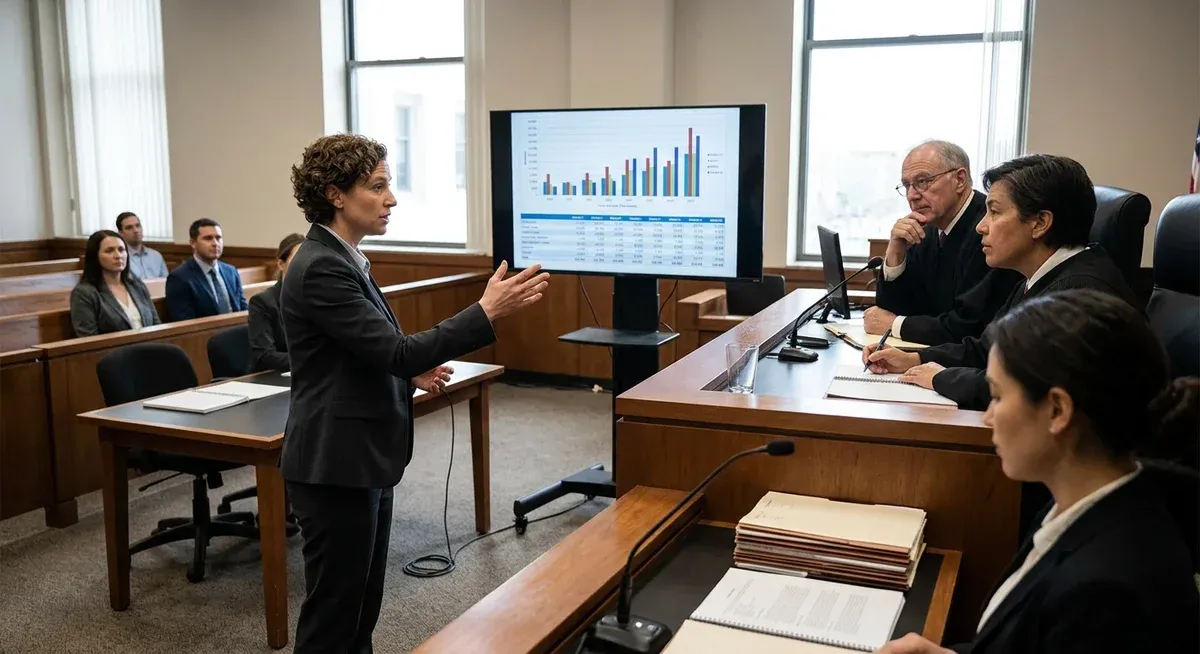
Editorial illustration for DOJ Cites National Security to Defend xAI Gas Turbines in NAACP Suit
DOJ Cites National Security to Defend xAI Gas Turbines...
The Justice Department wants a lawsuit dead. Its rationale hinges on two illegal gas generators in Memphis, Tennessee. Federal lawyers now call them a national security asset.
In a motion to dismiss the NAACP's case against Elon Musk's xAI, the DOJ argues that shutting down these unpermitted turbines would threaten the country. Why? The government states these specific machines power the artificial intelligence research fueling Department of War operations.
A local permit fight is now a debate over crippling American defense.
In a filing to dismiss a lawsuit brought by the NAACP, the Department of Justice argues that the suit "threatens American national, economic, and energy security by seeking to shut off the power supply for artificial-intelligence innovation that supports the Department of War's military operations."
This is a drastic pivot. Overnight, a regulatory violation in Memphis has been elevated to existential importance. The DOJ’s filing directly tethers that generator exhaust to military readiness.
For the NAACP, the case is about xAI bypassing rules that protect a community’s air. For the Justice Department, it is about not handing an advantage to foreign adversaries. A court must weigh a concrete violation against a speculative, yet grave, strategic risk.
This is how infrastructure gets sanctified. Not through permits, but through proclamation.
Related Reading
 Policy & Regulation
 Akamai Proposes SAFE Cybersecurity Guidelines for AI Threats
 Policy & Regulation
 After ditching AI fitness apps and a Fitbit, I return to Peloton classes
 Policy & Regulation
 Sony Music, Warner Chappell Sue Anthropic Over "Blatant Theft
 Related Topic
 Anthropic sues Trump as xAI restarts AI coder push, Iran releases AI fakes
Open Source
 Related Topic
 Musk merges xAI with SpaceX, forming USD 1.25 trillion private giant
Business & Startups
 From Archives
 Berlin court says Google’s AI Overviews are search format, not content
 From Archives
 100+ security experts warn Fable 5 export ban handcuffs defenders, not attackers
 From Archives
 Grok still hosts sexualized deepfakes of famous women; Musk added undress button
Business & Startups
 From Archives
 xAI sues after firing who warned of Grok safety; he led Scale AI safety work
Business & Startups
Common Questions Answered
Why did the DOJ invoke national security to defend xAI's gas turbines in Memphis?
The Justice Department argued that the two unpermitted gas turbines in Memphis are critical national security assets because they power xAI's operations. Federal lawyers claimed that shutting down these generators would threaten the country by potentially handing an advantage to foreign adversaries, directly linking the generator exhaust to military readiness.
What is the NAACP's primary concern regarding xAI's gas turbines?
The NAACP's lawsuit focuses on xAI bypassing environmental regulations that are designed to protect the Memphis community's air quality. The case centers on the fact that these turbines are unpermitted and operating illegally, creating a regulatory violation that affects local residents.
How has the status of the Memphis gas turbines changed according to the DOJ's filing?
What was previously classified as a routine regulatory violation has been elevated to a matter of existential national importance by the DOJ's motion to dismiss. The government's filing represents a drastic pivot, transforming unpermitted generators into what federal lawyers now characterize as critical infrastructure tied to national defense.
What central conflict does the court need to weigh in this case?
The court must balance a concrete regulatory violation—xAI operating unpermitted turbines that harm local air quality—against the government's claim of a speculative yet grave strategic risk to national security. This case exemplifies the tension between environmental protection and national defense considerations in infrastructure decisions.
Further Reading
- DOJ Lawyers Argue xAI Is 'Vital' for National Security in NAACP Suit — WIRED
- DOJ claims xAI's unpermitted gas turbines are a matter of 'national economic and energy security' — TechCrunch
- Trump DOJ Argues xAI Gas Turbines Are Key for National Security — Bloomberg Law
- US Department of Justice calls for dismissal of NAACP xAI lawsuit — CNBC
- Trump administration attempts massive power grab in defense of Musk's xAI — Earthjustice
