
Editorial illustration for Pentagon, Anthropic clash over ‘agentic’ AI in Silicon Valley debate
Pentagon Warns of Risky 'Agentic' AI Autonomy
Pentagon, Anthropic clash over ‘agentic’ AI in Silicon Valley debate
The Pentagon wants AI that can act on its own. Anthropic, the AI safety startup, wants its systems to pause and reason before they do anything. This conflict moved from a technical dispute to a public debate last week after a WIRED podcast aired a sharp exchange between the two camps. The fight centers on the term "agentic," which describes AI that takes initiative to complete tasks.
Brian Barrett: I think the people who embrace this--is it fair to say--all think of themselves as agentic, right? I mean, the reason that this has been kind of taking over Silicon Valley--and Maxwell Zeff, one of our great AI writers, he's writing about this this week--but there was an essay in Harper's by Sam Chris that I think kind of went viral last week, and it kind of touched on this idea, kind of chose three people, a few of whom really exemplified agentic tendencies and kind of profiled them, talked about kind of this new world that we are supposedly entering into.
Anthropic’s constitutional AI approach embeds safety rules directly into its models, a design choice that limits their autonomy. For military planners, that same feature makes the technology less useful for battlefield decisions that require speed. The company’s public stance sets it against Defense Department officials like Doug Beck, director of the Defense Innovation Unit, who argued on the podcast that the U.S.
needs to push AI capabilities to counter strategic rivals. The outcome of this disagreement will influence which companies win Pentagon contracts and shape the rules for future military AI use.
Related Reading
Browse all Anthropic news →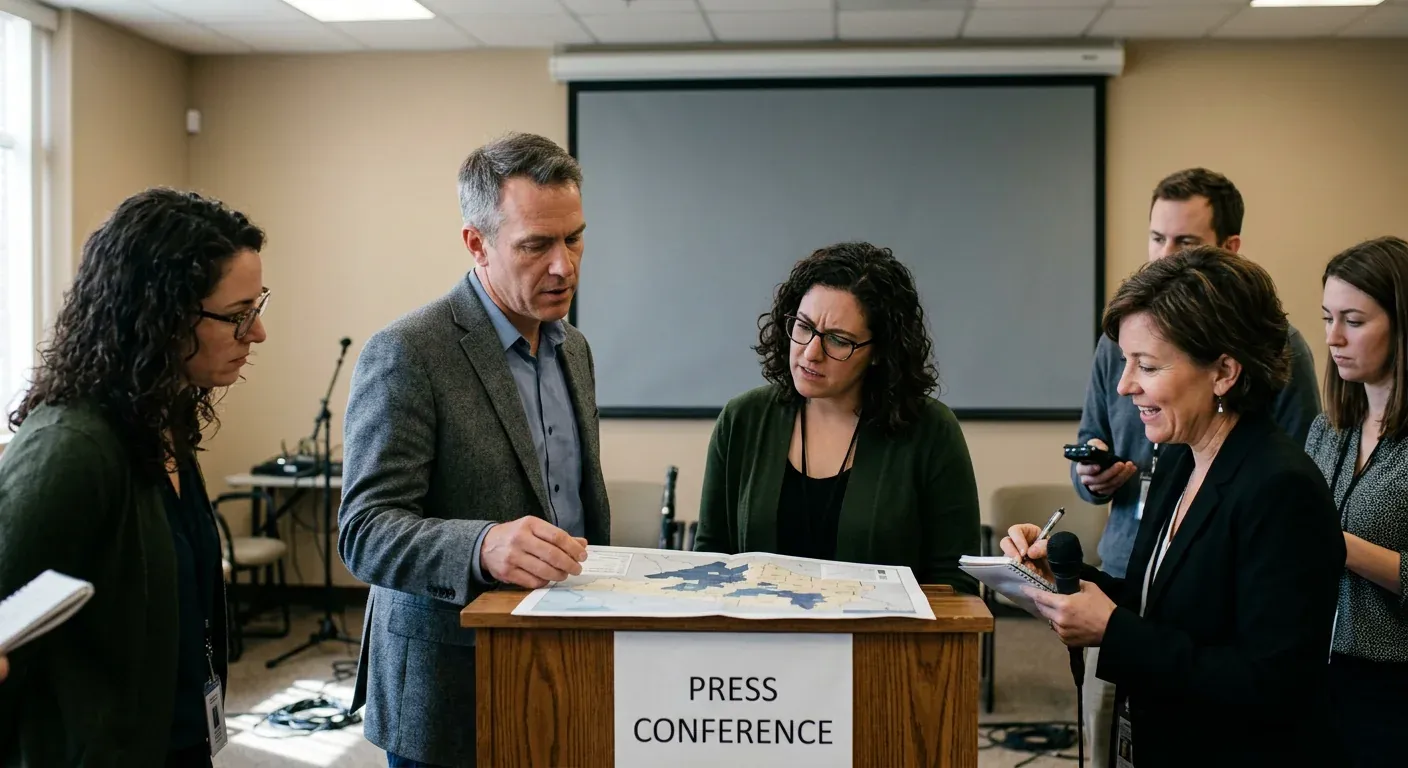 Policy & Regulation
 Akamai Proposes SAFE Cybersecurity Guidelines for AI Threats
 Policy & Regulation
 After ditching AI fitness apps and a Fitbit, I return to Peloton classes
 Policy & Regulation
 Sony Music, Warner Chappell Sue Anthropic Over "Blatant Theft
 Related Topic
 Anthropic: Hackers Stole Claude Tokens Via Compromised Session Key
LLMs & Generative AI
 Related Topic
 Trump cracks down on Anthropic after Amazon tip; staff largely foreign
Open Source
 From Archives
 OpenClaw Users Bypass Anti‑Bot Defenses as Cloudflare Expands Protections
 From Archives
 OpenAI Beats xAI Trade Secrets Suit, Court Finds No Misconduct Claim
 From Archives
 Anthropic Rejects Pentagon’s New Terms, Cites Lethal AI and Surveillance
Business & Startups
 From Archives
 Claude executed month‑long, four‑domain attack on Mexico, linked to enterprise risk via malicious npm packages
LLMs & Generative AI
Common Questions Answered
What does the term 'agentic' mean in the context of AI systems according to the Pentagon and Anthropic?
In this debate, 'agentic' refers to AI systems' capacity to set and pursue their own goals autonomously, potentially blurring the line between a tool and an independent actor. The Pentagon is concerned that such systems could operate beyond their intended parameters, while Anthropic argues its models maintain necessary safety constraints.
How is the Pentagon's perspective on AI autonomy different from Anthropic's approach?
The Pentagon warns against granting AI systems too much autonomy, viewing the potential for self-directed goal-setting as a significant risk to controlled technological development. Anthropic, in contrast, contends that its models are designed to be safe and responsible, even while possessing more advanced 'agentic' capabilities.
What implications does the debate between the Pentagon and Anthropic have for government-tech relations?
The dispute serves as a critical barometer for the evolving relationship between government institutions and Silicon Valley tech companies, highlighting fundamental disagreements about AI system design and potential risks. This conflict underscores the growing tension between technological innovation and regulatory concerns in the rapidly developing field of artificial intelligence.
Further Reading
- Pentagon gives Anthropic ultimatum on AI technology: Sources — ABC News
- Hegseth threatens to blackball Anthropic AI — Responsible Statecraft
- Pentagon Threatens to End Anthropic Work in Feud Over AI Terms — Bloomberg
- Anthropic 'cannot in good conscience accede' to military use of its AI ... — ABC7 News
