
Editorial illustration for Anthropic’s week‑long battle with the Pentagon unfolds on social media
Anthropic vs Pentagon: AI Showdown on Social Media
Anthropic’s week‑long battle with the Pentagon unfolds on social media
Last week, a $380 billion AI startup picked a public fight with the Pentagon. Not in a sealed negotiating room. On social media.
The battleground is three words: "any lawful use." Anthropic says that phrase is a blank check for military mass surveillance and killer robots. Pentagon CTO Emil Michael, the former Uber exec, is fighting back hard. He’s threatening to brand the company a "supply chain risk." Its rivals, OpenAI and xAI, have already folded and agreed to the terms.
The overall situation has left employees at some companies with defense contracts feeling betrayed.
Anthropic now stands alone. That sets a precedent. How much control does a builder have over their creation’s use?
The "supply chain risk" tag Michael wants would cripple its government business overnight. The company’s leadership has to decide, watching competitors who just said yes. The consequences are immediate: for its own staggering valuation, and for the fragile norms just now taking shape around AI in warfare.
Related Reading
Browse all Anthropic news →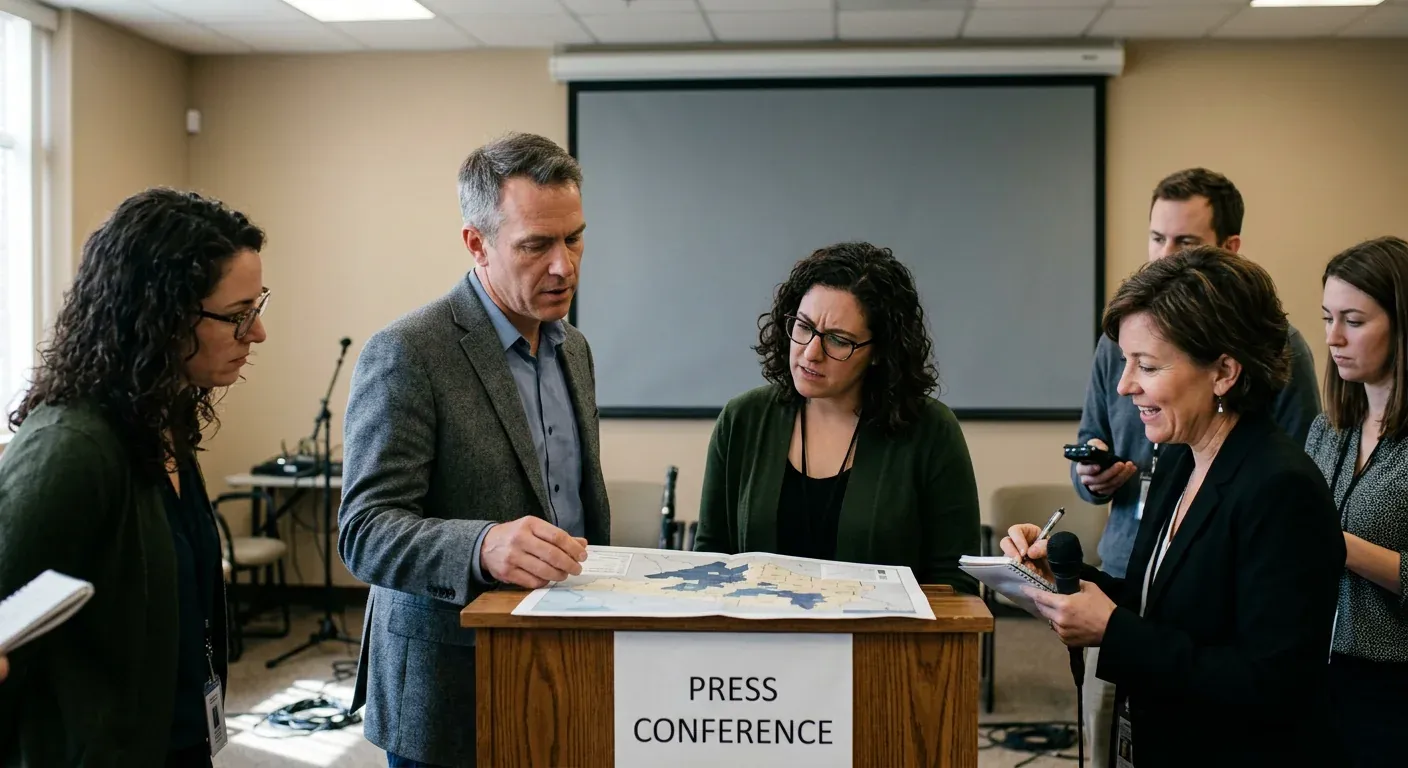 Policy & Regulation
 Akamai Proposes SAFE Cybersecurity Guidelines for AI Threats
 Policy & Regulation
 After ditching AI fitness apps and a Fitbit, I return to Peloton classes
 Policy & Regulation
 Sony Music, Warner Chappell Sue Anthropic Over "Blatant Theft
 Related Topic
 Anthropic: Hackers Stole Claude Tokens Via Compromised Session Key
LLMs & Generative AI
 Related Topic
 Trump cracks down on Anthropic after Amazon tip; staff largely foreign
Open Source
 From Archives
 Pentagon, Anthropic clash over ‘agentic’ AI in Silicon Valley debate
 From Archives
 OpenClaw Users Bypass Anti‑Bot Defenses as Cloudflare Expands Protections
 From Archives
 AWS employee credits Anthropic for steering away from unsupervised killer robots
Industry Applications
 From Archives
 Anthropic Rejects Pentagon’s New Terms, Cites Lethal AI and Surveillance
Business & Startups
Common Questions Answered
What are the key terms of negotiation between Anthropic and the Pentagon?
The core dispute centers around the phrase 'any lawful use', which would give the US military broad access to Anthropic's AI capabilities. This term would potentially allow the military to use AI for mass surveillance and autonomous weapons systems, which Anthropic has been resisting.
How has Anthropic responded to the Pentagon's demands for unrestricted AI access?
Anthropic has pushed back against the Pentagon's demands, maintaining its ethical guardrails and refusing to drop its existing restrictions on AI usage. The company has been vocal about its concerns, using social media and public statements to highlight the potential risks of unrestricted military AI deployment.
What threat did Emil Michael, the Pentagon's CTO, make to Anthropic during these negotiations?
Emil Michael warned Anthropic that if they do not comply with the Pentagon's terms, the company could be labeled a 'supply chain risk', a status typically reserved for native-code components. This threat suggests potential significant consequences for Anthropic if they continue to resist the Department of Defense's demands.
Further Reading
- A Timeline of the Anthropic-Pentagon Dispute — TechPolicy.Press
- Here's what smart people are saying about Anthropic's public spat with the Pentagon — Business Insider
- Papers with Code - Latest NLP Research — Papers with Code
- Hugging Face Daily Papers — Hugging Face
- ArXiv CS.CL (Computation and Language) — ArXiv
