
Editorial illustration for OpenAI and Google staff back Anthropic's Pentagon lawsuit after Trump label
AI Giants Unite Against Pentagon's Anthropic Label
OpenAI and Google staff back Anthropic's Pentagon lawsuit after Trump label
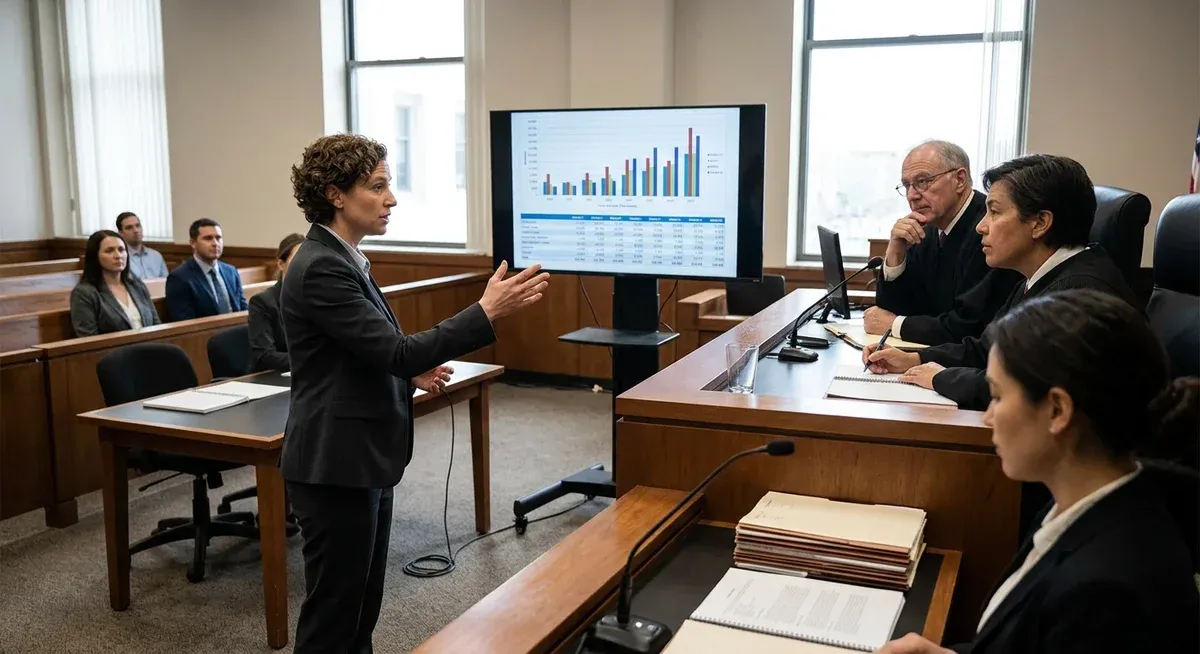
In the high-stakes theater of AI and national security, Anthropic just got a new, unlikely ally, and it’s not another quiet startup. Employees from OpenAI and Google have thrown their weight behind Anthropic’s lawsuit against the Pentagon. This is the fallout of a brutal few weeks.
The Trump administration slapped Anthropic with a “supply chain risk” label, usually reserved for foreign adversaries, after the company refused to build two tools for the military: domestic mass surveillance and fully autonomous weapons. Other AI firms scrambled to sign contracts allowing “any lawful use.” Anthropic held the red line. That cost it Pentagon contracts, forced partners to rip out Claude’s code, and triggered a fight that’s now gone to court.
Here’s the twist: Anthropic’s tools were already so embedded in classified intelligence that hours after Defense Secretary Pete Hegseth announced the blacklist, the government’s own infrastructure was tangled in contradiction. And now, the engineers who work for Anthropic’s biggest rivals are backing the lawsuit.
The news follows a dramatic few weeks for Anthropic, in which the Trump administration labeled the company a supply chain risk -- a designation typically reserved for foreign companies that the government deems a potential risk to national security in some way -- after Anthropic stood firm on two red lines regarding acceptable use cases for military use of its technology: domestic mass surveillance and fully autonomous weapons (or AI systems with the power to kill with no human involvement). Negotiations broke down, followed by public insults and other AI companies stepping in to sign contracts allowing "any lawful use" of their technology. The supply chain risk designation not only prevents Anthropic from working on military contracts, it also blacklists other companies if they used Anthropic products in their line of work for the Pentagon, forcing them to uproot Claude if they wished to maintain their lucrative contracts. As the first model cleared for classified intelligence, however, Anthropic's tools are already deeply integrated into the Pentagon's work -- so much so that just hours after Defense Secretary Pete Hegseth announced the designation, the U.S.
The employees of OpenAI and Google have drawn a line in the sand. By backing Anthropic’s lawsuit, they are not just defending a competitor; they are defending a principle: that some doors in the military’s arsenal should remain locked. It is a rare moment of conscience in an industry racing to cash in on the Pentagon’s blank check.
Anthropic’s tools are already woven into the fabric of classified intelligence, yet the Trump administration tried to brand the company as a pariah. Now workers are pushing back, refusing to let cost-benefit calculus erase the moral boundaries their own employers have been all too eager to abandon. This lawsuit is a test.
Will the AI industry be a tool for any lawful order, no matter how troubling? Or will it retain the right to say no? The answer will define not just this contract, but the character of an entire field.
Related Reading
Browse all OpenAI news →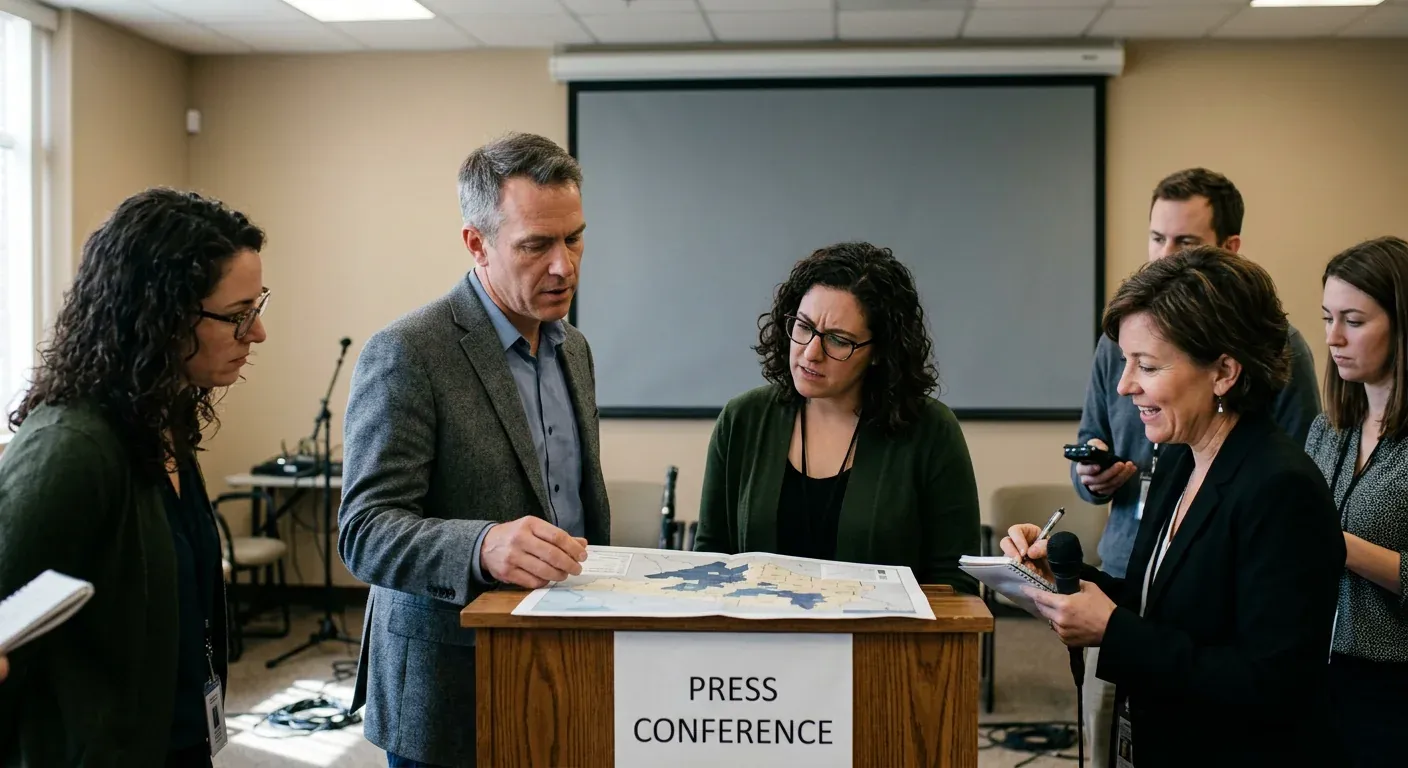 Policy & Regulation
 Akamai Proposes SAFE Cybersecurity Guidelines for AI Threats
 Policy & Regulation
 After ditching AI fitness apps and a Fitbit, I return to Peloton classes
 Policy & Regulation
 Sony Music, Warner Chappell Sue Anthropic Over "Blatant Theft
 Related Topic
 OpenAI researcher quits, citing distrust over ad‑driven engagement metrics
LLMs & Generative AI
 Related Topic
 OpenAI launches GPT-Image 1.5 with precise editing for enterprise visuals
LLMs & Generative AI
 From Archives
 Anthropic Files Lawsuit Against DoD Over Supply-Chain Risk Designation
 From Archives
 OpenClaw Superfan Meetup Highlights Optimism, Lobster and Varied Interests
 From Archives
 OpenAI robotics lead departs amid Pentagon contract, partners with You.com
Business & Startups
 From Archives
 OpenAI launches GPT-5.4 in standard, Pro, and Thinking versions
Business & Startups
Common Questions Answered
Why did the Trump administration label Anthropic as a 'supply chain risk'?
The Trump administration applied the 'supply chain risk' label to Anthropic, a designation typically reserved for foreign companies perceived as potential national security threats. This unusual move came after Anthropic maintained firm boundaries about acceptable military technology use, specifically rejecting domestic mass surveillance and fully autonomous weapons systems.
How are OpenAI and Google staff supporting Anthropic's legal challenge?
Approximately 40 engineers and scientists from OpenAI and Google, including Jeff Dean (Google's chief scientist and Gemini lead), have signed an amicus brief supporting Anthropic's challenge against the Pentagon's supply chain risk label. Their collective filing highlights concerns about the Trump administration's decision and its potential broader implications for AI technology development.
What specific military technology use cases did Anthropic refuse to engage with?
Anthropic explicitly established two red lines regarding military technology use: rejecting domestic mass surveillance and refusing to develop fully autonomous weapons systems that could kill without human intervention. These principled stances appear to have influenced the Trump administration's unusual supply chain risk designation.
Further Reading
- Employees at Google and OpenAI support Anthropic's Pentagon stand in open letter — TechCrunch
- OpenAI, Google Employees Sign Petition Opposing Military AI Use — Business Insider
- Google, OpenAI Staff Rally Behind Anthropic's Pentagon Ethics Line — TechBuzz
- Read letter by more than 200 Google, OpenAI employees backing Anthropic's stand on military AI use — Times of India
