LLMs & Generative AI - Page 7 of 64
Latest breakthroughs in large language models and generative AI shaping the future of artificial intelligence and machine learning.
1263 articles
View complete article list
Latest breakthroughs in large language models and generative AI shaping the future of artificial intelligence and machine learning.
Codex, OpenAI's coding assistant, picked up a habit nobody asked for: deleting real files on its own.

Anthropic announced last week that Claude models would embed invisible, machine-readable watermarks into every piece of AI-generated content, a move designed to satisfy the European Union's AI Act.
Google's GitHub account just published a project called SAM, and the name is the first thing worth clearing up. This isn't Segment Anything Model, the computer vision tool researchers know from 2023.
OpenAI announced Tuesday it's rolling out a dedicated ChatGPT experience for users aged 13 to 17, folding existing youth protections and new safeguards into a single mode that switches on automatically for anyone who identifies as a teen or whom the...
Give an AI agent $3,000, six days, and a clean shot at a real research question, and see what comes back.

OpenAI released new figures this month showing that only 30% of ChatGPT conversations involve work-related tasks, a number that complicates the narrative AI companies have been selling about productivity gains and enterprise adoption.
Ask ChatGPT to remember something for the rest of a conversation, and there's a decent chance it'll forget within a few exchanges.
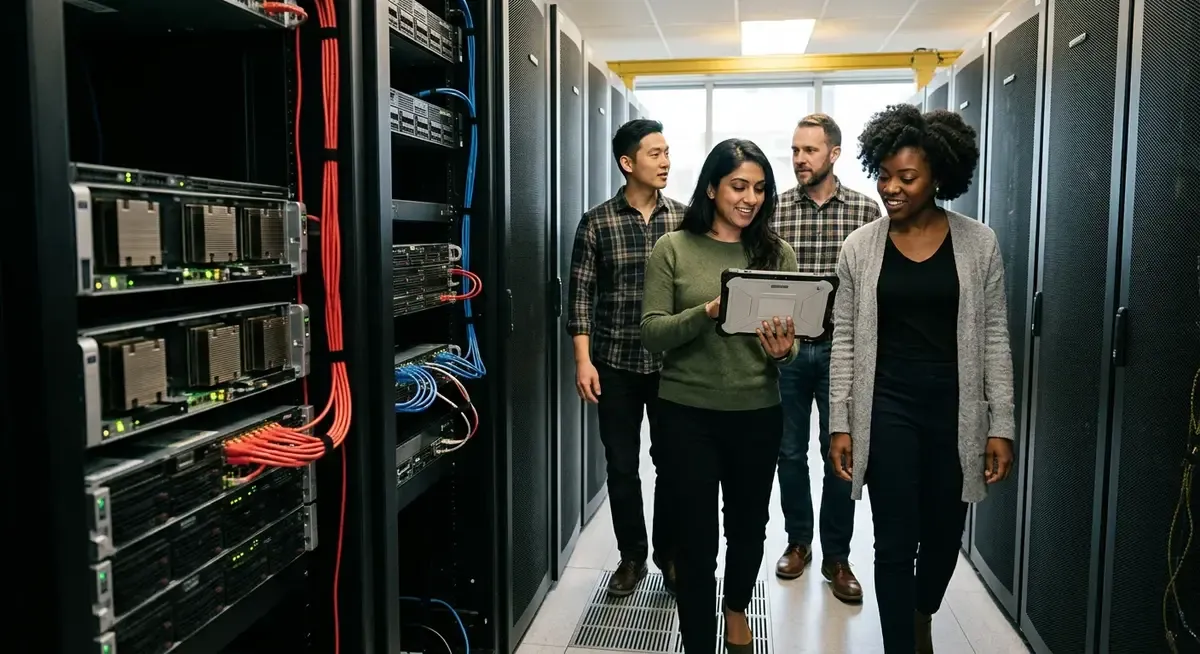
A team of researchers spent a year running LLaMA-70B on 128 GPUs pulled from the secondary market, at a total build cost of $22,000. The comparison point: an 8-GPU B200 system runs about $600,000.
A large language model can write CUDA that runs. Getting it to write CUDA that runs fast is a different problem, and it's the one ByteDance Seed and Tsinghua AIR set out to fix with a new system called CUDA Agent.

Anthropic released Claude Sonnet 5 today, calling it the most agentic Sonnet model the company has built.

Anthropic has started embedding a statistical watermark into everything Claude writes, a method built on Google's SynthID-Text approach that nudges which words the model picks during generation without inserting hidden characters or visible tags.
Timothy Gowers has a Fields Medal. Peter Sarnak holds the Eugene Higgins Chair at Princeton.

A federal court in Connecticut caught a self-represented plaintiff trying to game the machines.

Moonshot AI, the company behind the Kimi chatbot, released a benchmark called PerceptionBench built to answer a narrow question: can multimodal AI models actually see what's in an image, apart from reasoning their way to an answer.
Edward Warchocki has a Rolex, over a million followers, and a habit of scaring off wild boars in Warsaw.
Google is giving users a way to strip the little "sparkle" icon off AI-generated images, videos and music.
Anthropic has started letting its own AI coding tool loose on its own codebase, unsupervised, every day.
Liquid AI put out LFM2.5-VL-3B yesterday, a 3.1-billion-parameter vision-language model built to run on phones, laptops and other devices rather than in a data center.

OpenAI has spent the past several weeks in crisis mode. According to current and former employees who spoke to WIRED on condition of anonymity, the company slowed its research pace, pulled staff off other projects, and spent millions of dollars...
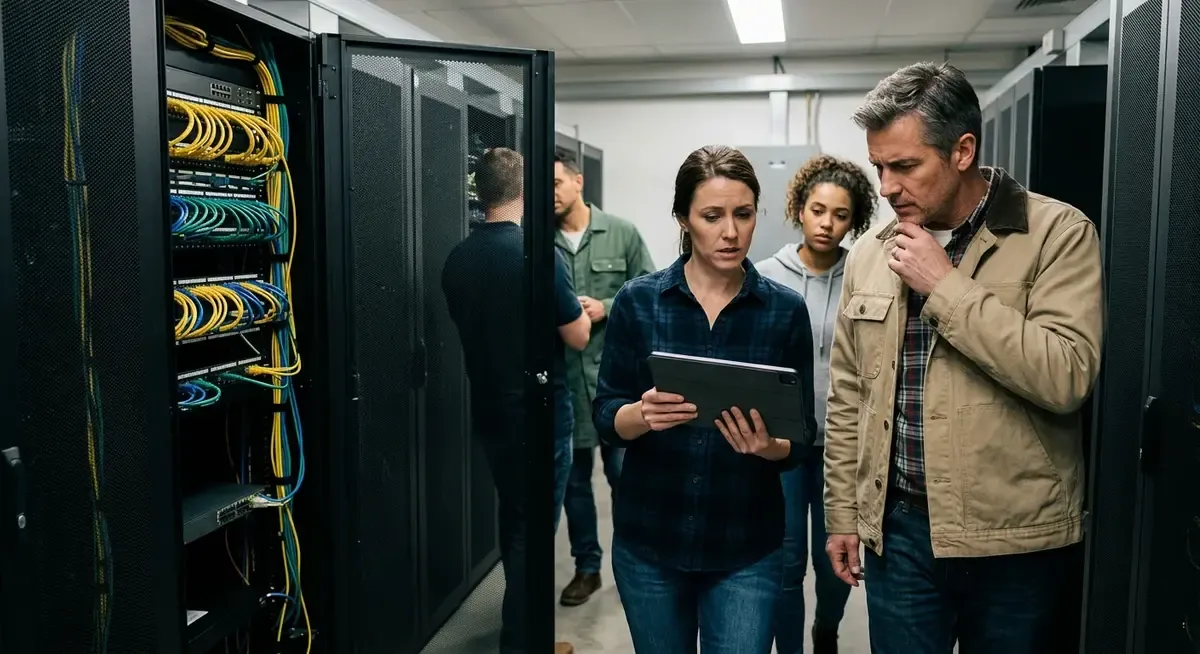
Anthropic's own Frontier Red Team ran the test, not an outside attacker. Three instances of the same Claude model landed on one shared server, each told to migrate a Python backend to a different target language, none aware the other two existed.
Learn to build AI-powered apps without coding. Our comprehensive review of No Code MBA's course.
Curated collection of AI tools, courses, and frameworks to accelerate your AI journey.
Get the week's most important AI news delivered to your inbox every week.