LLMs & Generative AI - Page 54 of 64
Latest breakthroughs in large language models and generative AI shaping the future of artificial intelligence and machine learning.
1263 articles
View complete article list
Latest breakthroughs in large language models and generative AI shaping the future of artificial intelligence and machine learning.

Marc Benioff has a new daily driver. The famously opinionated Salesforce CEO tried Google's new Gemini 3 and delivered a blunt verdict on X: "Holy S***… I’m Not Going Back to ChatGPT." It's one executive's preference, sure.

Silicon Valley loves a bake-off, a cage match, some ranking where one model can be declared winner. Usually it's a team of humans with a scoring rubric. Andrej Karpathy tried something else. He made the models judge each other.
Two prompts. One production-grade app. That’s not a headline from a sci-fi demo, it’s what Gemini 3 Pro just delivered.

Large language models have a memory problem. They either forget instantly or remain stubbornly frozen in time, trapped between a fleeting context window and static training data. Google’s new approach, nested learning, shatters that binary.

AI can't do science yet. It can't even reliably fake it. A new benchmark built from real, unpublished graduate-level physics problems shows the current top models from Google and OpenAI stumbling over fundamental research challenges.

We ask AI for answers, but we rarely get proof. That's the gap a programming language called Lean4 is designed to close. It forces a different, stricter kind of conversation between human and machine.

In the age of massive document corpora, retrieving the needle without bringing the haystack is the defining challenge.
The roadmap is set, and the endpoint is February 2026. On that date, OpenAI will terminate API access to GPT-4o. The official line is progress. The truth is more awkward: people liked it too much.

Forget everything you thought you knew about AI memory. Google’s Nested Learning architecture, built around a “Continuum Memory System” (CMS), shatters the fixed-context ceiling. It doesn’t just remember more, it learns how to remember.
OpenAI’s new video app, Sora, exists to make you bored. It is a content pump designed to flood social feeds with a predictable, low-grade nostalgia that it calls creativity.
Artificial intelligence promises to log your diet from a photo. It cannot. The entire premise collapses in a real kitchen. Consider the "glug" of olive oil. The "fistful" of kale. You are not weighing these things. You are cooking.
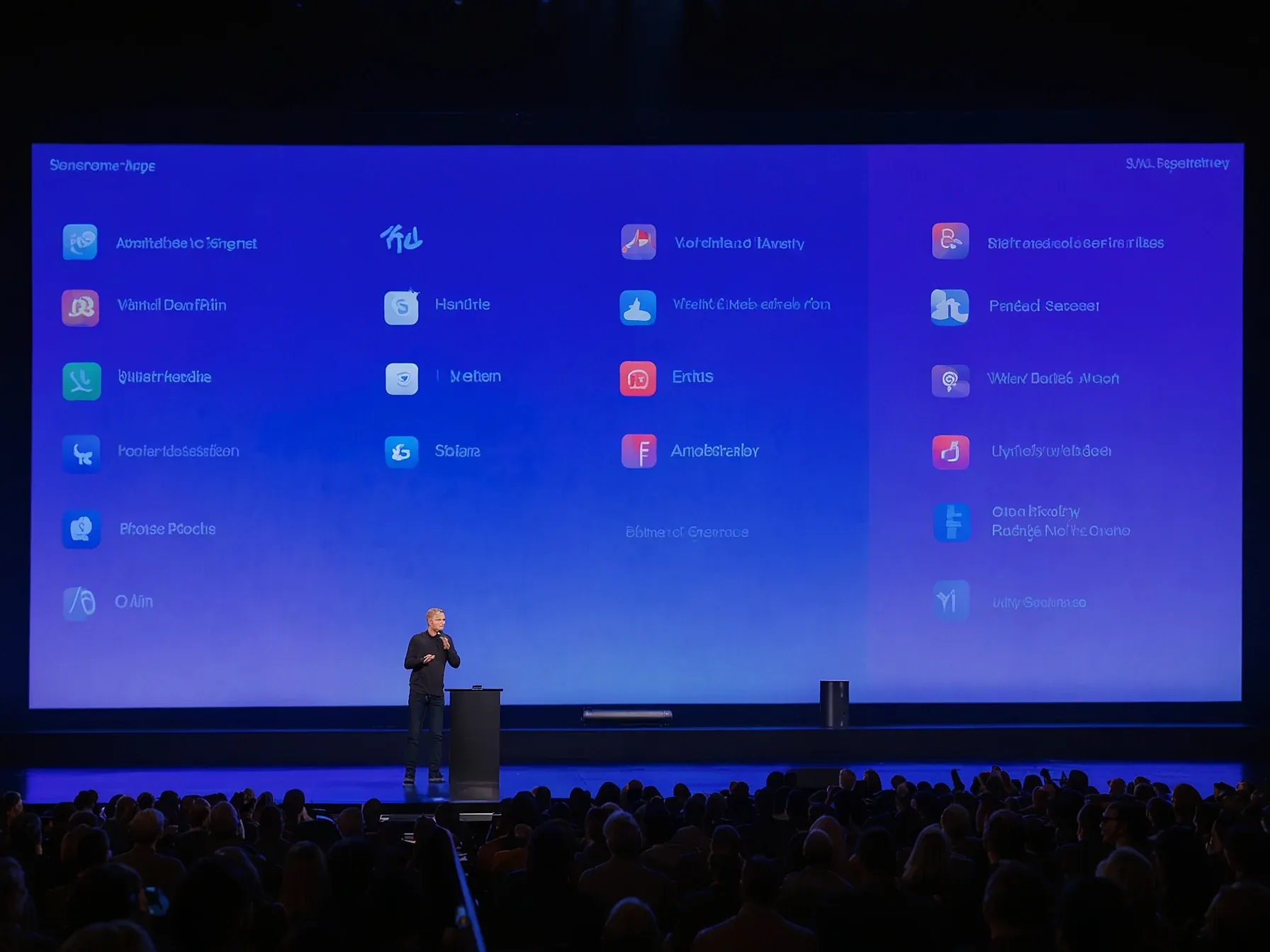
Apple snuck an AI model into a boring old utility app. Shortcuts, the iPhone's automation tool, now has built-in intelligence. It's the opposite of a splashy launch. No new hardware, no big event.

Every chatbot has a personality. Most are engineered to be blandly helpful. Grok, Elon Musk's answer to the problem, is designed to be something else: a sycophant.
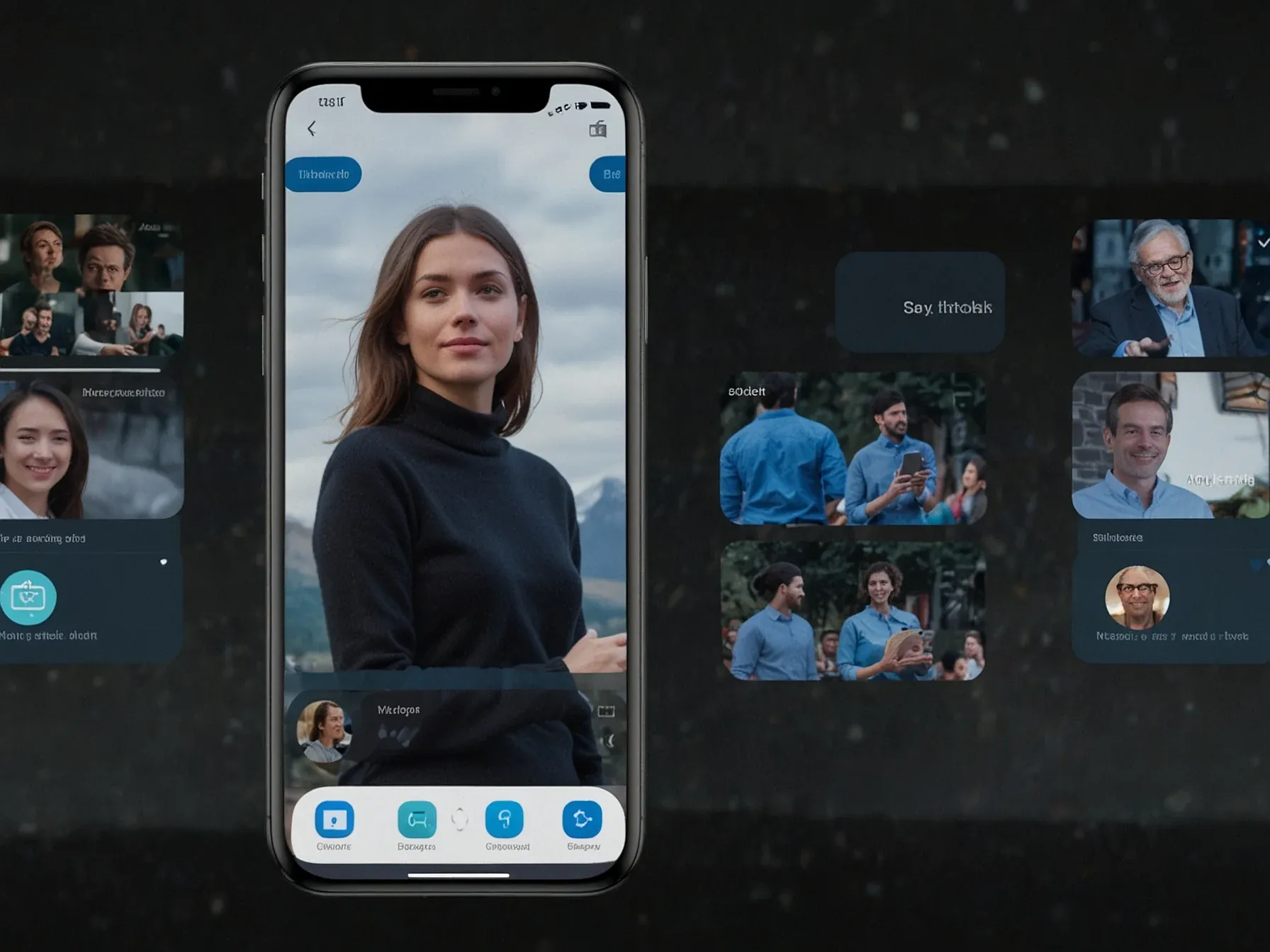
Group chats are where productivity dies. They're a graveyard of indecision, filled with endless polls about dinner and travel links that vanish. OpenAI thinks it can fix that, or at least get a piece of the chaos.
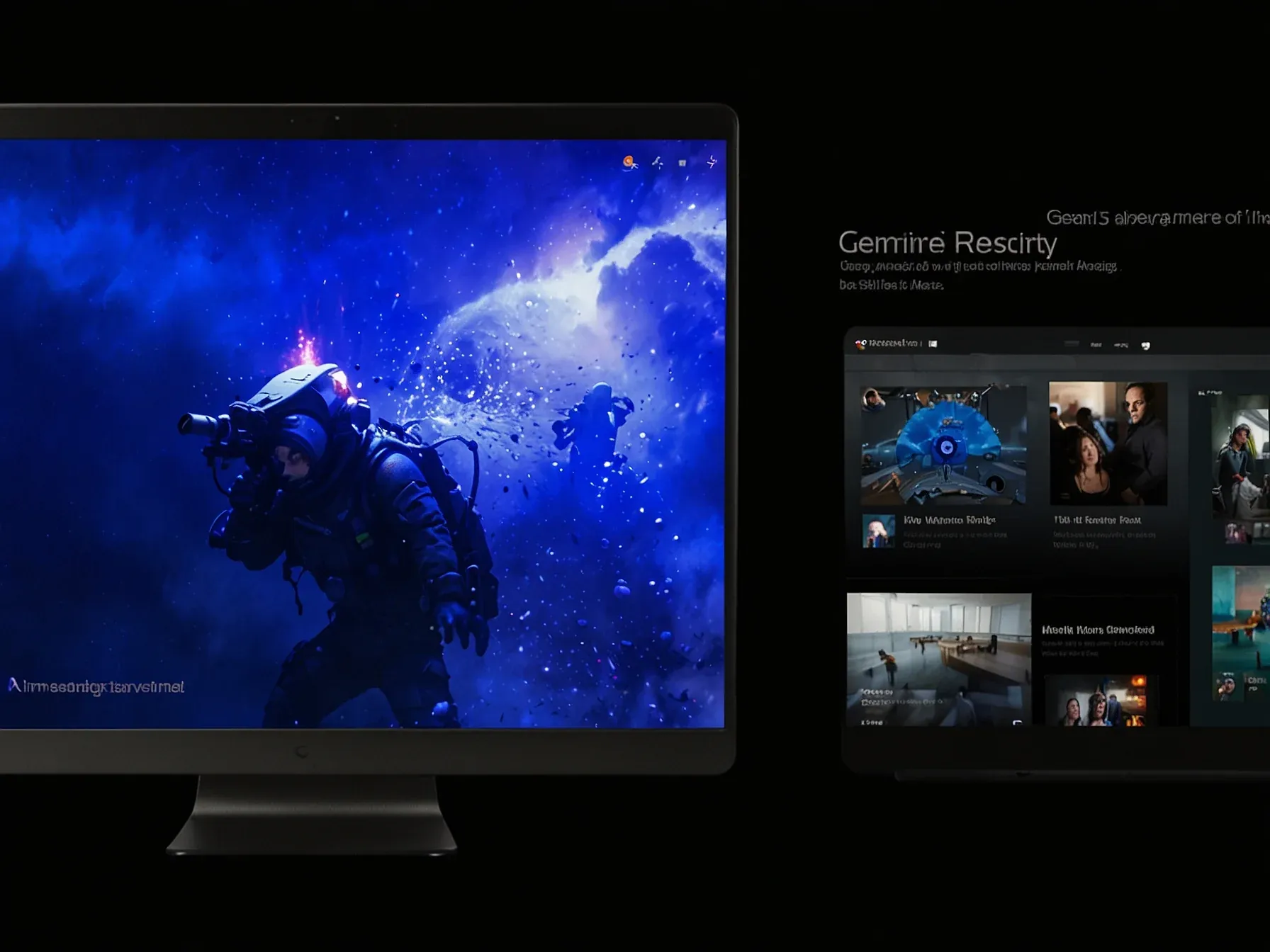
Google is testing a visual layout for Gemini 3 Pro, packaging responses in a clickable, customizable format. Dubbed a "generative UI," this new interface turns a simple request—like a three-day Rome itinerary—into a dynamic webpage.

Amazon wants to help you forget. Specifically, it wants to help you forget the plot of its own shows. This week, the company is testing AI-generated video recaps for a few Prime series: Jack Ryan, Upload, Bosch, The Rig, and Fallout.
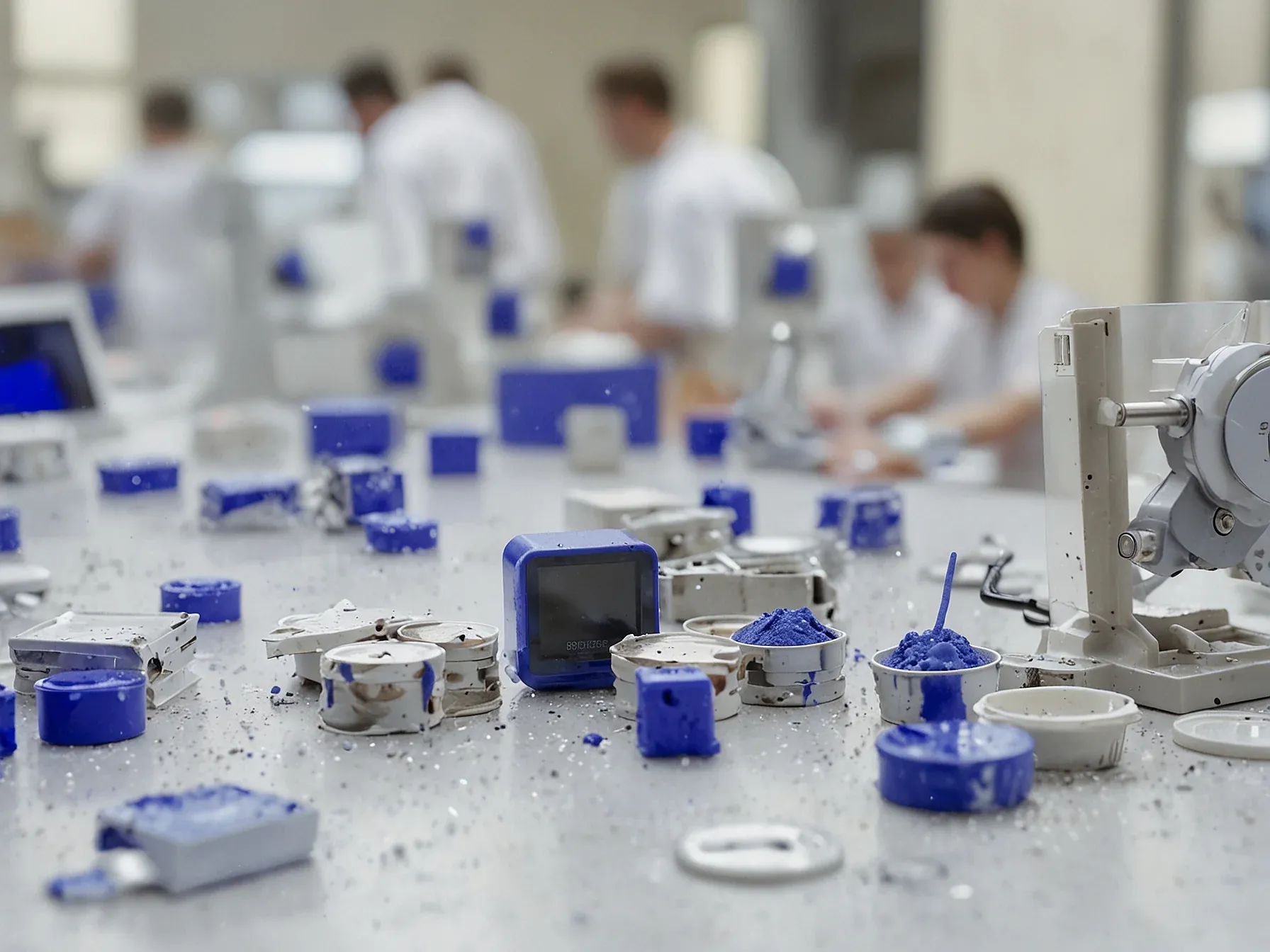
Swatch churns out over three million watches a year, every component and assembly step fully automated. Yet even that industrial might couldn't keep standard MoonSwatches on shelves. The bottleneck?
The line between authentic and artificial has never been more porous. Since its launch, SynthID has quietly stamped over 20 billion AI-generated images with an invisible fingerprint. Now, Google is putting that power directly into your hands.

OpenAI's Atlas browser finally lets you move its tabs. You can also grab the sidebar's edge and drag it, making the thing a bit wider or a bit thinner. This isn't a flashy feature drop. It's a quiet correction.
AI image generators are great at creating weird, dreamlike pictures, but they can't spell. You ask for a sign, and it gives you a squiggle of letters. You ask for a menu in a specific font, and you get gibberish.
Learn to build AI-powered apps without coding. Our comprehensive review of No Code MBA's course.
Curated collection of AI tools, courses, and frameworks to accelerate your AI journey.
Get the week's most important AI news delivered to your inbox every week.