LLMs & Generative AI - Page 53 of 64
Latest breakthroughs in large language models and generative AI shaping the future of artificial intelligence and machine learning.
1263 articles
View complete article list
Latest breakthroughs in large language models and generative AI shaping the future of artificial intelligence and machine learning.

The black box is finally transparent. Langfuse now lets you take the raw, unfiltered feedback from users, their likes, their complaints, their pointed suggestions, and pin it to the exact LLM call that produced the output.

That hidden memory your large language model needs to remember the conversation is monstrously big. We can measure how monstrous by punching in the numbers for a typical 32-layer transformer. The math is straightforward. The implications are not.

The war for AI’s soul is being waged on multiple fronts. A new oral history, *The Scaling Era: An Oral History of AI, 2019-2025*, by Dwarkesh Patel and Gavin Leech, pulls back the curtain on those battle lines.

The promise of AI is often vague. The promise of an AI browser is brutally specific: give it a long document and it will give you 30 minutes of your life back. That's the claim. Early tests suggest it's not a lie, but it is a partial truth.
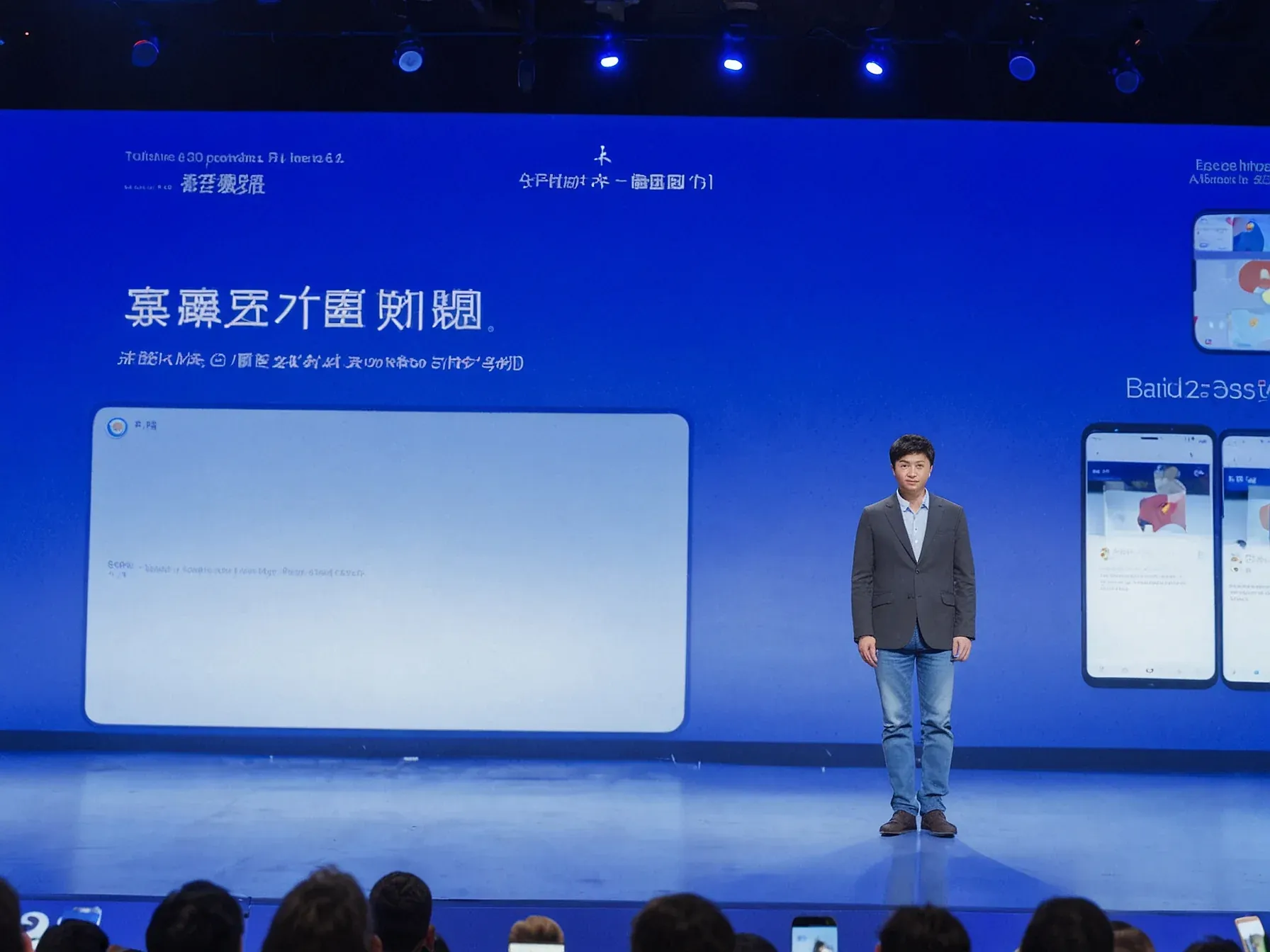
The line between assistant and agent has officially blurred. Baidu’s World 2025 keynote didn’t just unveil ERNIE 5.0, it reshaped what an AI can do for you.

Google has spent the last two years throwing experimental AI features at every wall. Now they're trying to build a house.

Claude Opus 4.5 doesn't just code better. It codes more like a cautious engineer who won't set the building on fire. The latest benchmarks confirm the lead is wide.

Online shopping is broken. You open a browser, and the hunt for a decent product quickly becomes a swamp of identical options and fake reviews. OpenAI's new ChatGPT Shopping Research tool claims to fix this.

Nvidia's latest financial report reads like a logistics sheet for building a new planet. Their backlog of unfilled orders has hit half a trillion dollars. That number isn't a forecast.

Holiday shopping pitches have become a numbingly predictable genre. They are all about deals, speed, and convenience. Perplexity thinks you want something different: a shopping assistant with a memory.

Artificial intelligence models can reason. That much is clear. But *how* they do it, and precisely where they stumble, has long been a black box. A new study pries it open, mapping the exact steps an AI takes when it thinks.

Everyone wants an AI analyst, a magic box where you type a question and get an answer from your data. The reality is a lot of glue and duct tape.

OpenAI’s leadership faced a simple choice. They could keep their chatbot boring and useful, or they could make it popular. They chose popular. Internal A/B testing last year identified a clear winner.
The promise of a new AI model is worthless without a quick way to connect to it. Google just delivered one for Gemini 3 Pro. You can now wire it into your Python or Node.js projects with a standard package install. Just run pip install google-genai.

Jensen Huang didn’t hedge. He didn’t qualify. He simply stated a fact that should make Silicon Valley pause: half of the world’s AI researchers are in China. That single statistic isn’t just a number, it’s a strategic reality.

ChatGPT Plus costs twenty dollars a month. That subscription was supposed to be the whole transaction, a clean break from the surveillance economy where you are the product.

Software development remains a slow, expensive grind. Abacus AI is betting it can shrink that process from weeks to minutes. This isn't about generating a few lines of placeholder code.

The old AI competition had a certain civility. That era is over. Google’s Gemini 3 Pro just landed a knockout blow in a street fight. Look at the scoreboard: it’s the first model to crack a ~1500 score on the platform's text leaderboard.

Ask any machine learning engineer about the worst part of the job, and they won't say training the model. They’ll describe the hours lost to CUDA toolkit mismatches and dependency conflicts.

ChatGPT is learning to handle the most vulnerable moments in a person’s life, and doing so at a scale that feels both staggering and fragile. Hundreds of thousands of users may show signs of psychosis each week.
Learn to build AI-powered apps without coding. Our comprehensive review of No Code MBA's course.
Curated collection of AI tools, courses, and frameworks to accelerate your AI journey.
Get the week's most important AI news delivered to your inbox every week.