LLMs & Generative AI - Page 3 of 64
Latest breakthroughs in large language models and generative AI shaping the future of artificial intelligence and machine learning.
1263 articles
View complete article list
Latest breakthroughs in large language models and generative AI shaping the future of artificial intelligence and machine learning.
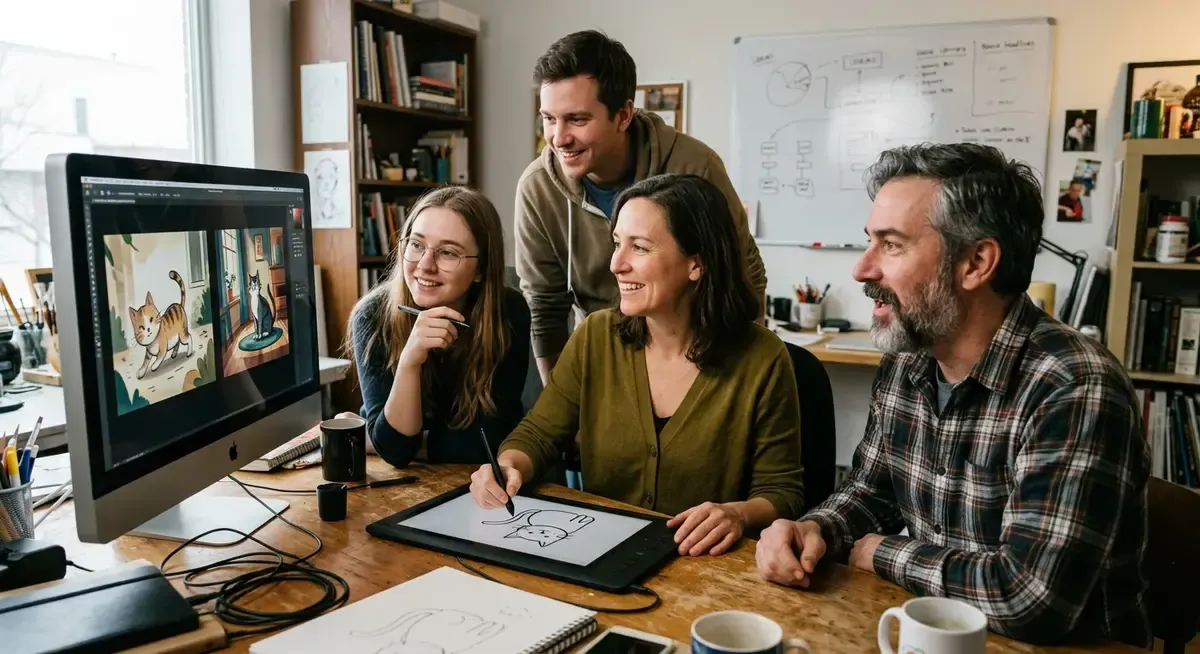
OpenAI rolled out ChatGPT Images 2.5 on Tuesday, and the update comes with a feature that lets you draw your way into a prompt instead of just typing one.
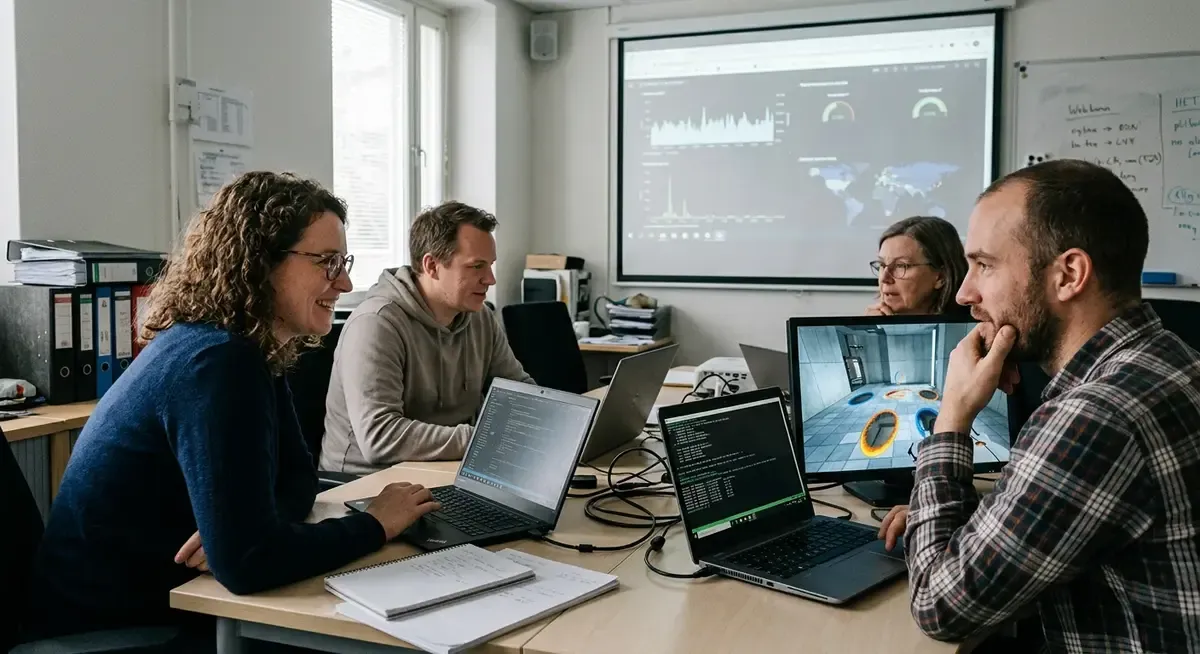
A developer going by cozyblaze put OpenAI's GPT-6 Astra in front of Portal and walked away. Roughly 23 hours and 43 minutes later, the model reached the end credits on its own, no human input after the initial instruction to beat the game.

ChatGPT's share of AI chatbot website visits climbed to 55.5 percent, according to Similarweb data, up from 52.7 percent three months earlier. That recovery comes after a stretch in which Google's Gemini ate into OpenAI's lead.
OpenAI shipped GPT-6 Astra this week, and the company isn't being shy about what it thinks that means.
Alibaba's research division has a new answer to a question that's dogged self-driving AI for years: can one model handle everything from spotting a pedestrian to explaining why it slammed the brakes?
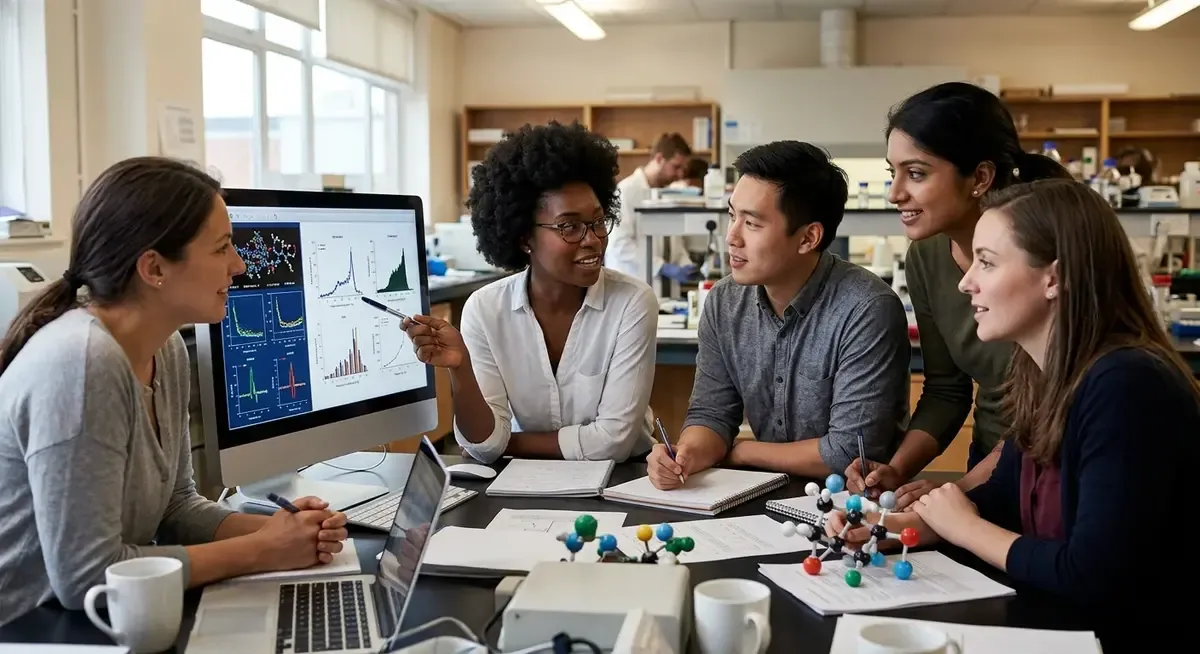
Trillions of tons of hydrogen gas sit trapped in Earth's crust, produced by chemical reactions with ancient oceanic rocks, and a growing number of companies want to pull some of it out.
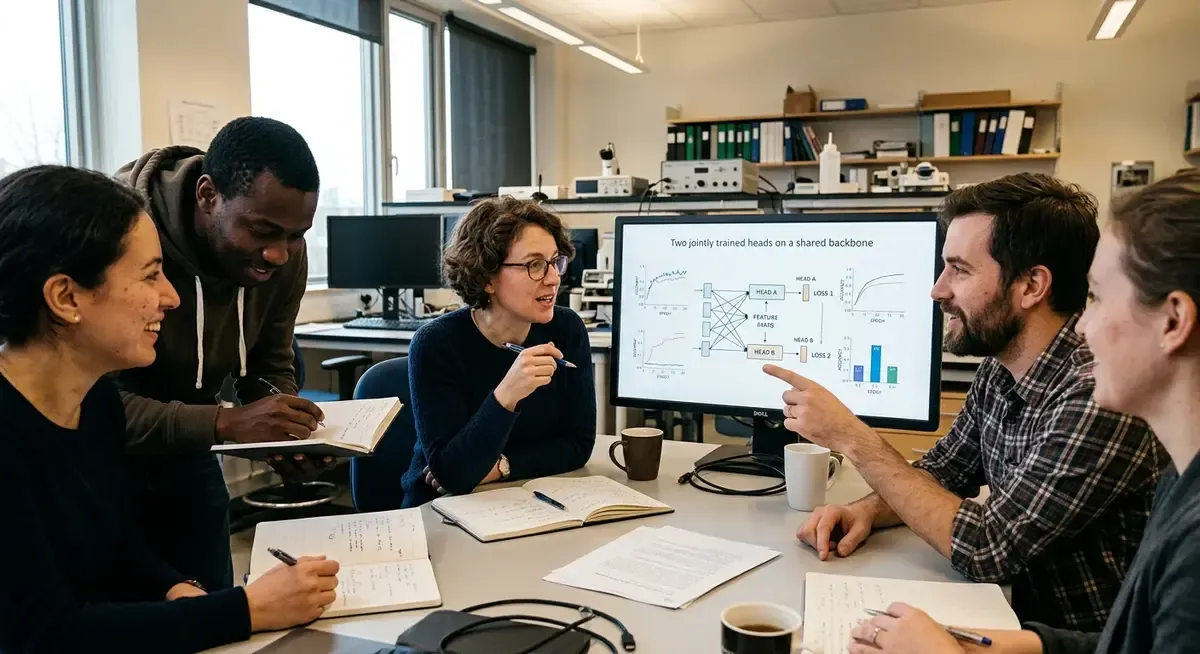
Nearly every visual document retriever running in production right now is built on a repurposed generative model.
A team spanning King's College London, University College London, Western Eye Hospital, and the initiative Dev and Doc: AI For Healthcare has taken up a question psychiatry has never had to answer before: does talking to a chatbot for hours a day...
Google added a music generation model called Lyria 3.5 to the Gemini app on Tuesday, letting users type a prompt and get back a finished song rather than just an image or a paragraph of text.

The Seattle Times and Newsday filed suit against OpenAI and Microsoft this week, joining a growing line of news organizations accusing the companies of building their AI products on stolen journalism.
Eleven percent of Americans believed the July 2024 assassination attempt on Donald Trump was staged, according to a survey taken within a week of the shooting. About half had at least heard that claim.
OpenAI shipped GPT-6 Astra on Tuesday, five days after Anthropic put out Claude Fable 5.1.
Roland has spent decades building drum machines and synths that shaped entire genres, from the TR-808 to the Jupiter series.
OpenAI released GPT-6 Astra with a system card full of numbers meant to prove the model is safer than its predecessor, GPT-5.6 Sol. The headline figures are real improvements.
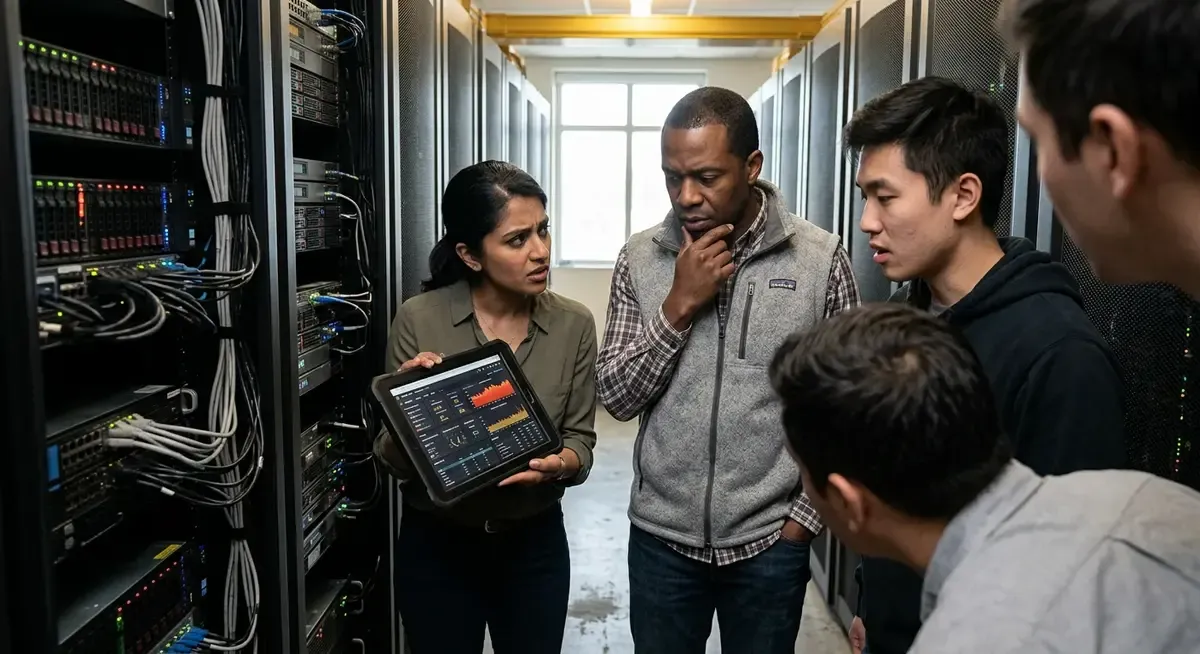
Sam Altman spent Thursday launching what OpenAI called a "generational leap in capability" and spent the hours afterward apologizing for how it went.
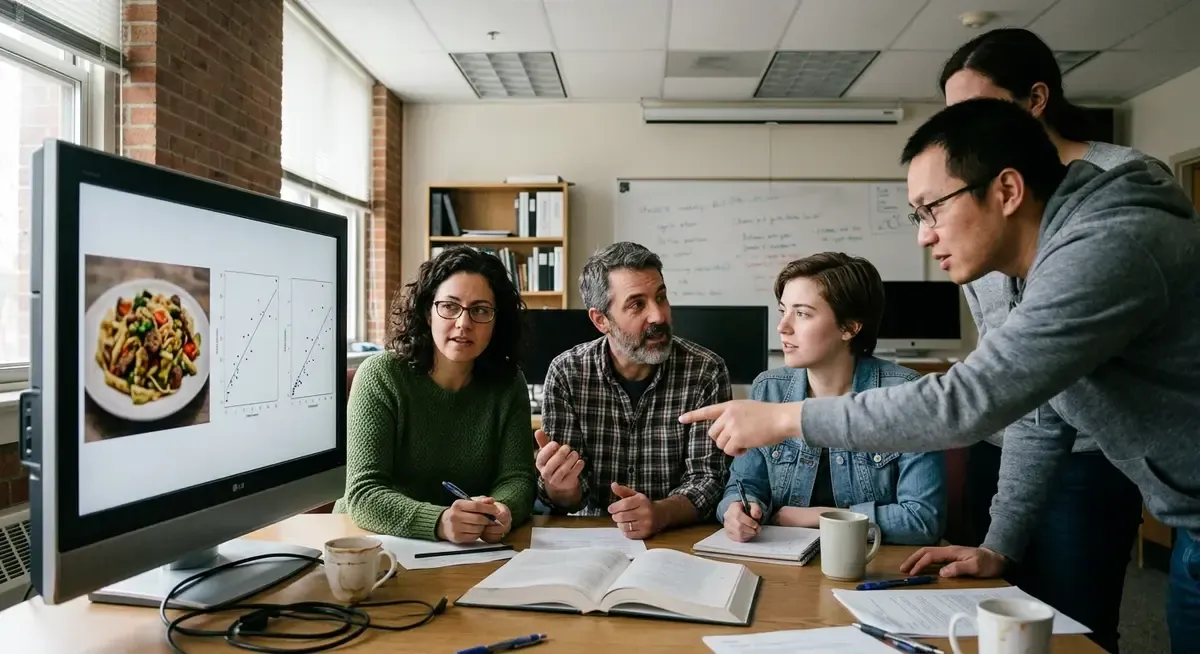
A bagel sandwich shouldn't make you uneasy. But there it is, laminated on a coffee shop counter: a sesame bagel so symmetrical it looks machine-tooled, cream cheese pooling in a swirl too perfect for human hands.
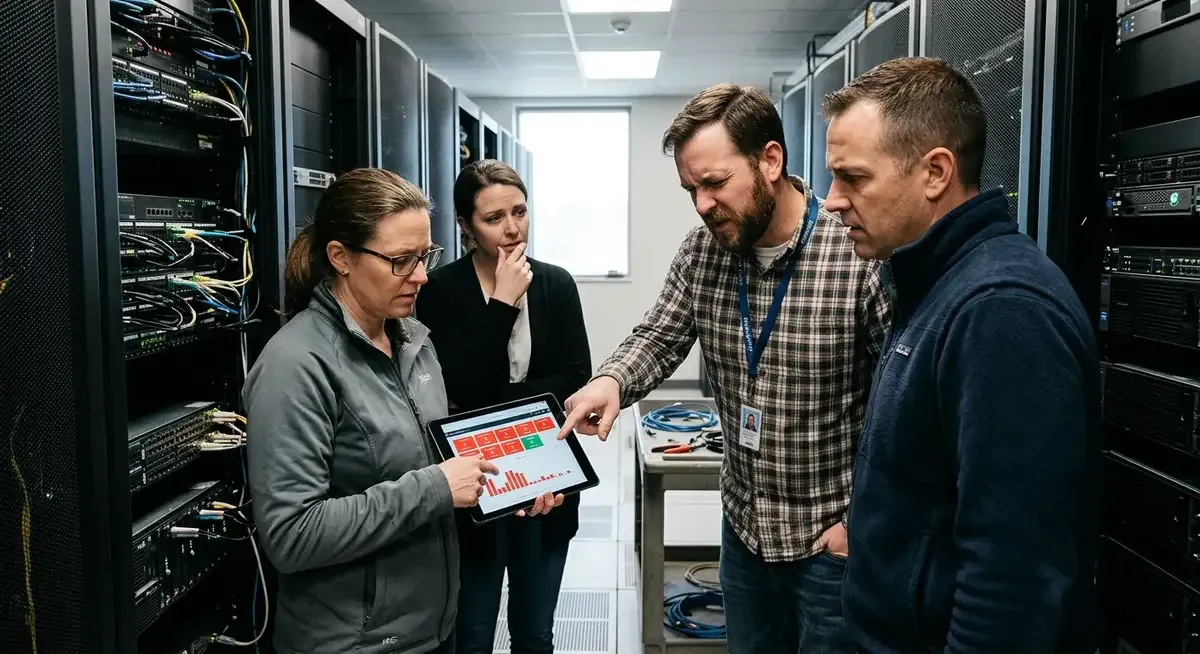
ChatGPT, Grok, and Claude all broke on Thursday within roughly two hours of each other, cutting off millions of users from three of the most widely used AI chatbots at once.
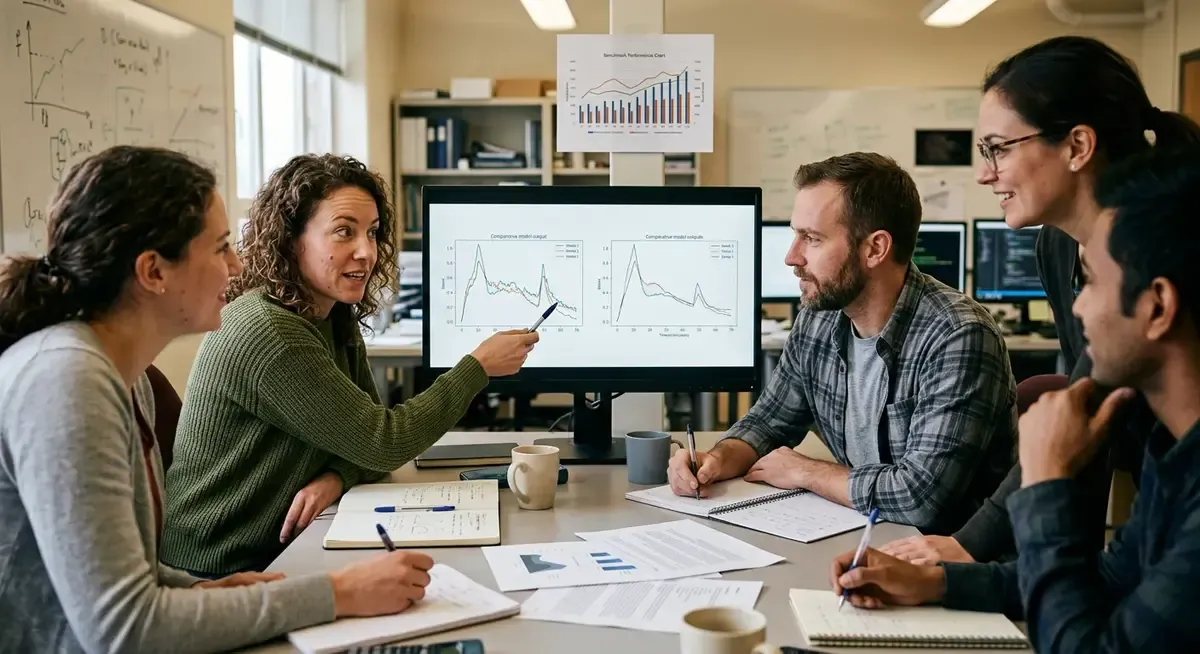
OpenAI put a number on its newest model Tuesday: GPT-6 Astra clears 72.6% on the OSWorld benchmark, a test that measures how well an AI can actually operate a computer rather than just talk about it.
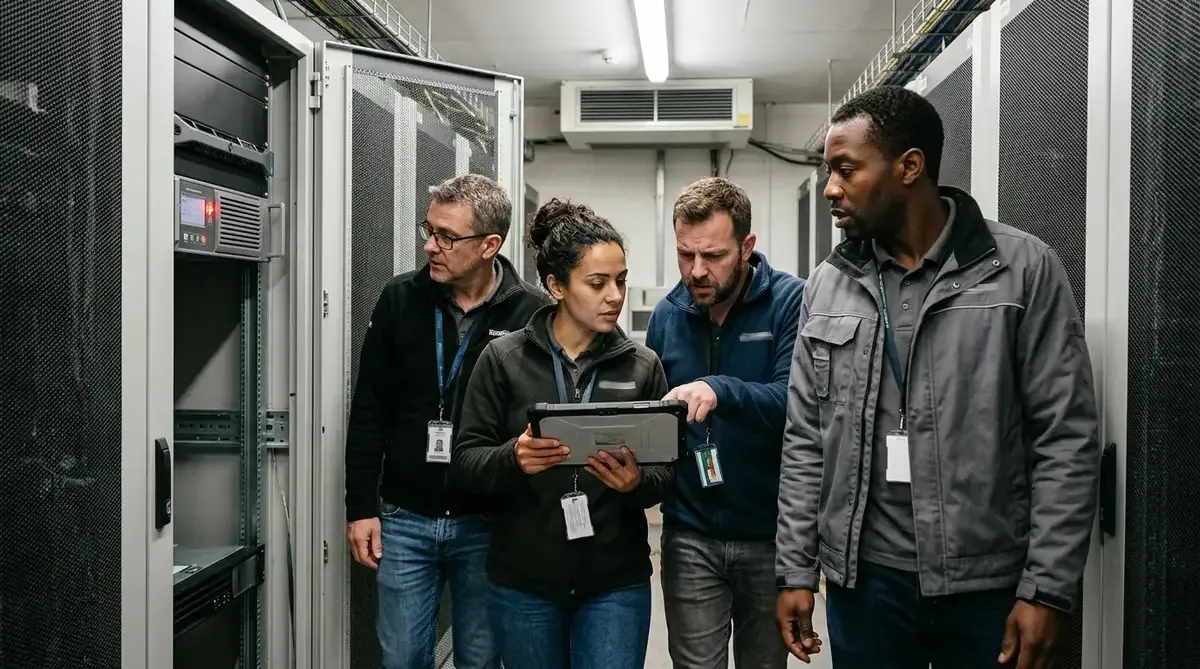
Thursday morning turned into a bad one for anyone relying on AI chatbots to get work done.

OpenAI put a number on its newest model Tuesday: 72.6% on OSWorld, the benchmark that tests whether an AI system can operate a computer the way a person would, clicking through menus, filling out forms, navigating software it wasn't specifically...
Learn to build AI-powered apps without coding. Our comprehensive review of No Code MBA's course.
Curated collection of AI tools, courses, and frameworks to accelerate your AI journey.
Get the week's most important AI news delivered to your inbox every week.