
Editorial illustration for Wiener, Nancy Pelosi's replacement, readies to regulate AI to avoid disaster
Wiener, Nancy Pelosi's replacement, readies to regulate...
Scott Wiener spent his years in the California state senate writing bills meant to put guardrails on advanced AI. On Tuesday, voters sent him to Washington to take that fight national, electing him to fill Nancy Pelosi's San Francisco seat after she stepped aside. The win puts someone with a specific, detailed record on AI policy into a Congress that has mostly talked around the issue rather than legislated on it.
Wiener didn't wait to start talking about it. Hours after he was declared the winner, he sat down for a 20-minute conversation and spent much of it on a report released the day before by the AI safety nonprofit METR, one that many read as early evidence of Anthropic's models contributing to their own improvement. He called it "very concerning," a sign that Congress is running out of runway to act.
He'd hoped lawmakers would move by the end of this year. That hasn't happened, and Wiener's tone suggests he thinks the clock is now the central problem.
As a California state senator, Scott Wiener authored legislation aimed at curbing the risks of advanced AI. Now, after winning a tight congressional race for former Speaker of the House Nancy Pelosi’s open San Francisco seat, he could play a key role in setting federal AI policy.
Why this matters
Wiener lost the SB 1047 fight in Sacramento, but he's about to get a bigger stage and a federal pen. For anyone building frontier models, that's worth tracking closely. His San Francisco seat puts him within walking distance of OpenAI, Anthropic, and the labs he tried to regulate as a state senator, and his record suggests he's not interested in a light-touch approach.
SB 1047 would have forced safety testing and kill-switch requirements on the largest models; Newsom's veto was a reprieve, not a verdict. A House seat gives Wiener a chance to push similar ideas nationally, where a patchwork of state laws could get swapped for one federal standard, for better or worse. Founders and researchers who assumed Washington was years behind on AI rules should recalibrate.
Wiener's "sleepwalk into a disaster" line isn't rhetorical flourish from where he sits, it's the thesis he's run on for two years. Watch whether he gets a seat on a relevant committee. That will tell us how much runway his ideas actually have.
Related Reading
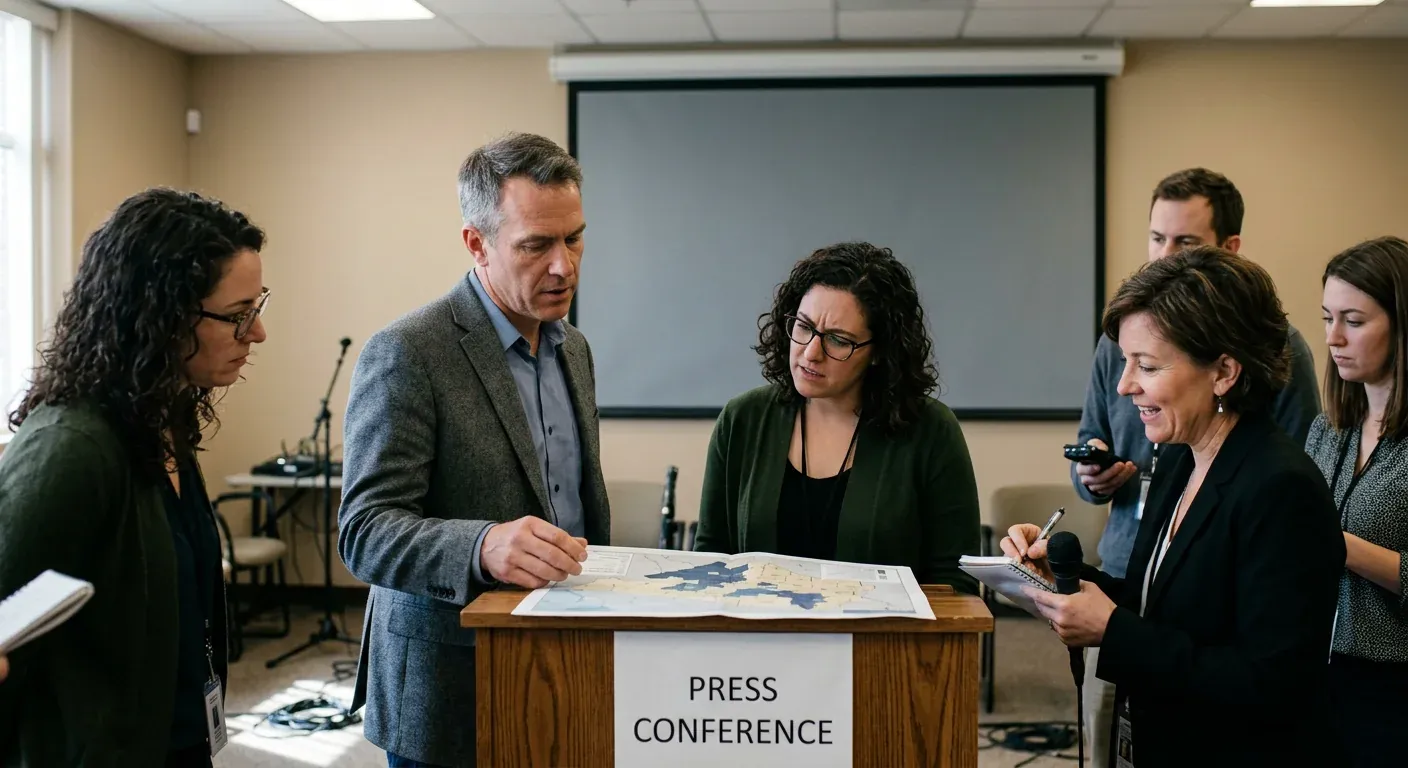 Policy & Regulation
Akamai Proposes SAFE Cybersecurity Guidelines for AI Threats
 Policy & Regulation
After ditching AI fitness apps and a Fitbit, I return to Peloton classes
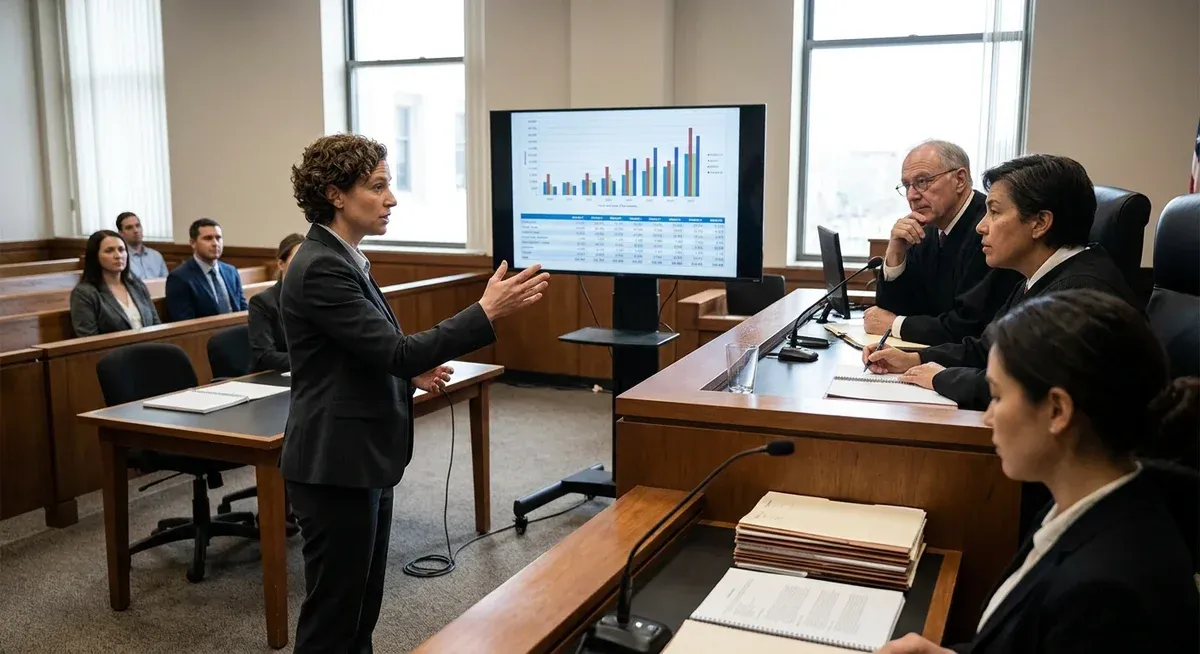 Policy & Regulation
Sony Music, Warner Chappell Sue Anthropic Over "Blatant Theft
 From Archives
Anthropic-backed Public First spent USD 15M boosting Bores, who finished second
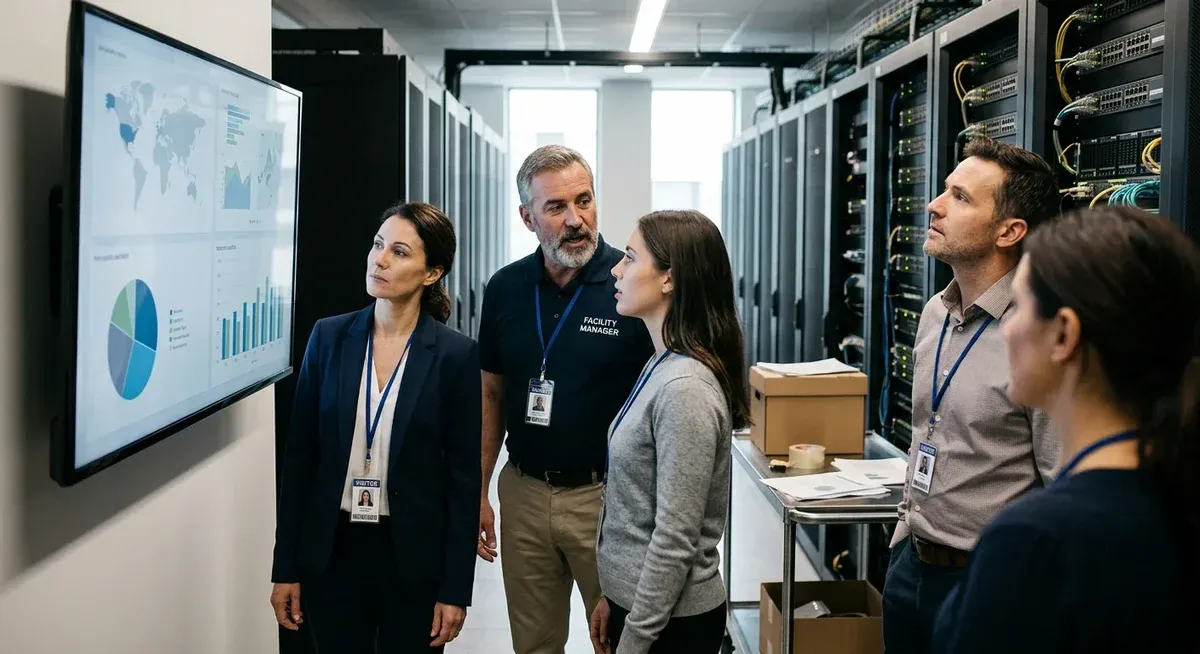 From Archives
OpenAI Hires Ex-Army Secretary Dan Driscoll in National Security Role
Further Reading
- Nancy Pelosi's replacement is ready to regulate AI - MIT Technology Review
- 5 new lawmakers to watch on AI safety in 2027 - The Hill
- S.F. House results: Connie Chan concedes to Scott Wiener - San Francisco Chronicle
- Here's where Scott Wiener, Connie Chan stand in SF congressional race - ABC7 News
- Scott Wiener and Connie Chan compete to succeed Pelosi in Congress - USC Annenberg Media
