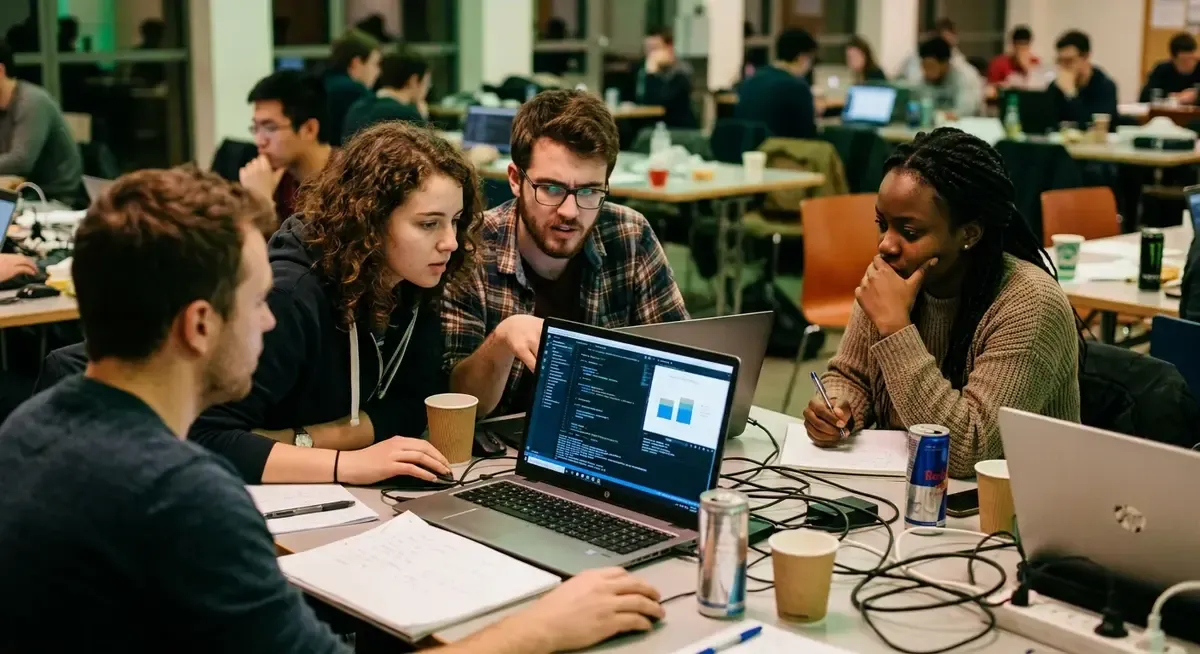
Editorial illustration for White House tech official calls Chinese AI model theft "unacceptable
White House Backs Off Chinese AI Model Sanctions
White House tech official calls Chinese AI model theft "unacceptable
The Trump administration spent weeks weighing whether to sanction Chinese open-source AI developers, then pulled back after a fight broke out among the very companies the policy was supposed to protect. The New York Times, citing more than half a dozen current and former government and industry officials, reports that White House Chief of Staff Susie Wiles, Treasury Secretary Scott Bessent, and Commerce Secretary Howard Lutnick discussed options including a trade blacklist, direct sanctions, and a ban on US cloud providers doing business with Chinese model makers like Moonshot AI, the company behind Kimi K3.
The split ran straight through Silicon Valley. OpenAI and Anthropic reportedly pushed hard for the crackdown, arguing Chinese labs had stolen American technology to build their models. Nvidia, Meta, Microsoft, and Google pushed back just as hard, wary of losing access to open models their own products depend on.
Five sources told the Times the debate extended to which AI systems federal agencies should be allowed to run and whether Commerce should write new rules governing them. Facing that resistance, the administration shelved the sanctions talk and turned toward boosting the competitiveness of American models instead.
The Trump administration considered sanctions and trade bans targeting Chinese open-source AI models, according to the New York Times. After pushback from Silicon Valley, it backed off for now.
Why this matters
Kratsios called it theft on X, Bessent floated sanctions the same day, and within days the whole plan stalled because Nvidia, Meta, Microsoft and Google didn't want their supply chains or open-source strategies caught in the crossfire. That's the real story here: the fight over Kimi K3 wasn't settled on national security grounds, it was settled by whoever had more lobbying weight in the room. OpenAI and Anthropic have obvious commercial reasons to want Chinese open-weight competitors boxed out, and that's fine, but dressing it up as a security emergency and then quietly dropping it once Nvidia pushed back tells us the security framing was never load-bearing.
For developers building on open models, the lesson is that today's ban talk is really a proxy war between closed-model labs and everyone whose business depends on open weights, cheap compute, or Chinese hardware access. Watch what happens next time a Chinese lab ships something competitive. If the same executives who killed this round of sanctions stay quiet, that tells you this wasn't about security at all.
Related Reading
 Open Source
 D&B rebuilds 642 million‑business database after AI agents hit limits
 Open Source
 Box CEO Aaron Levie Says AI Will Drive "Biggest Cybersecurity Upgrade
 Open Source
 Study: 6.7% of Deepfake Requests on Hugging Face Targeted Children
 From Archives
 China's MiniMax H3 Tops AI Video Ranking With Multimodal Model
 From Archives
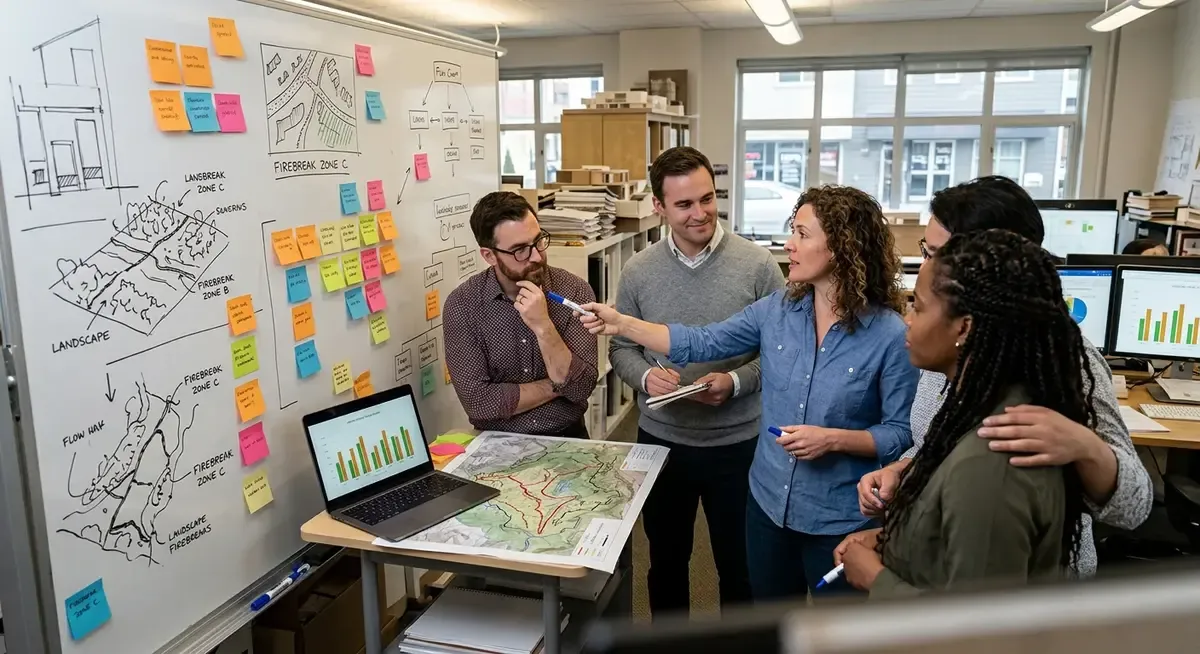
 Europeans Seek to Make Landscapes More Fire-Resilient
Common Questions Answered
What sanctions did the Trump administration consider against Chinese open-source AI developers?
The Trump administration considered multiple enforcement options including trade blacklists, direct sanctions, and other punitive measures targeting Chinese open-source AI models. White House Chief of Staff Susie Wiles, Treasury Secretary Scott Bessent, and Commerce Secretary Howard Lutnick discussed these options over several weeks before ultimately pulling back from implementation.
Why did the Trump administration reverse its plan to sanction Chinese AI models?
The administration backed off its sanctions plan after significant pushback from major Silicon Valley companies including Nvidia, Meta, Microsoft, and Google, who were concerned about potential impacts to their supply chains and open-source strategies. The companies' lobbying efforts ultimately outweighed national security concerns in determining the policy outcome.
What role did Kimi K3 play in the Trump administration's AI policy debate?
Kimi K3, a Chinese AI model, became the focal point of the national security discussion, with White House officials like Kratsios calling it theft and Bessent proposing sanctions in response. However, the controversy was ultimately settled by corporate lobbying interests rather than being resolved on national security grounds.
Which companies opposed the White House sanctions on Chinese open-source AI?
Nvidia, Meta, Microsoft, and Google led the opposition to the proposed sanctions, fearing their supply chains and open-source strategies would be negatively affected. OpenAI and Anthropic also had commercial reasons to oppose Chinese open-weight competitors, adding to the internal Silicon Valley conflict.
Further Reading
- China's Moonshot AI stole from Anthropic, Trump tech adviser says - BBC News
- Senior White House official claims China’s K3 model stolen from Anthropic - The Register
- Bessent Says US Will Scrutinize Chinese AI Models for IP Theft - Reuters
- White House accuses China of 'deliberate, industrial-scale' campaigns to steal U.S. AI models - Nextgov
- White House memo claims mass AI theft by Chinese firms - BBC News
