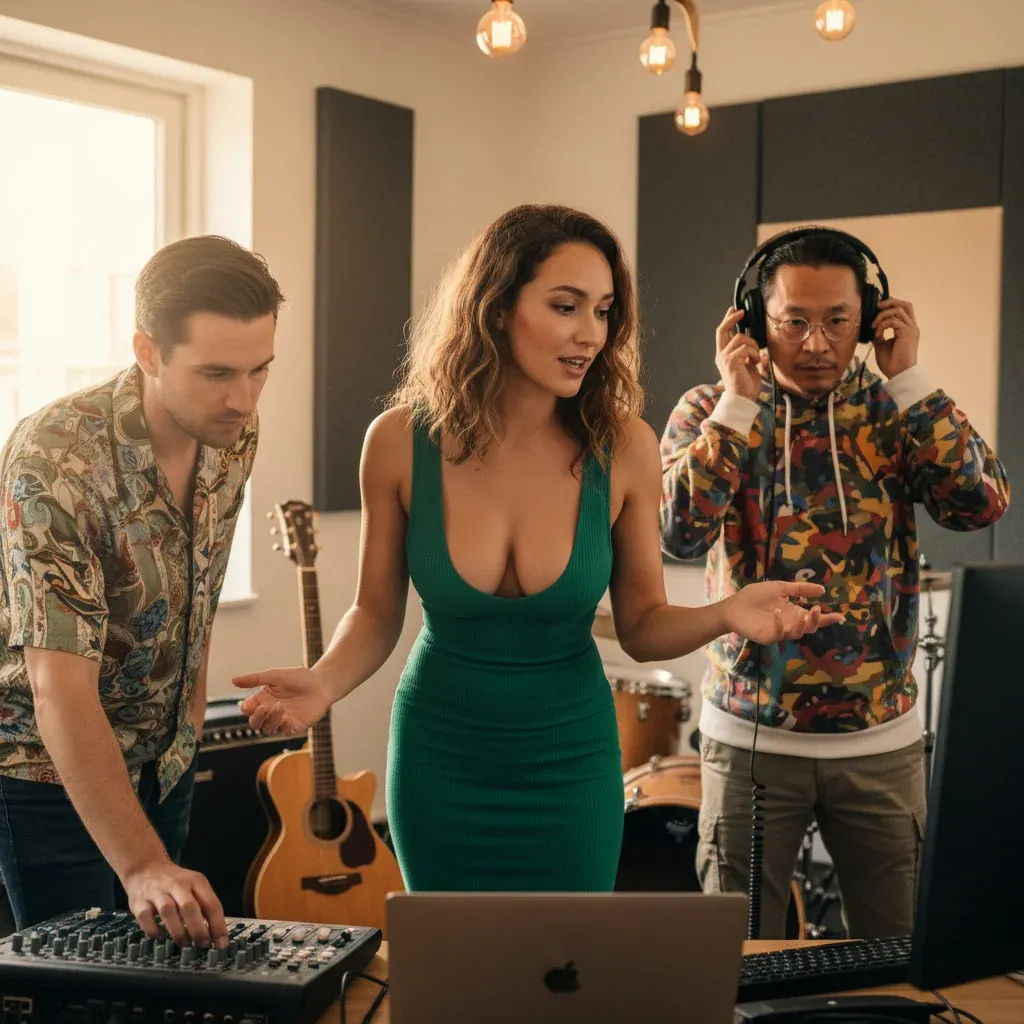
Editorial illustration for Netflix's Clash with Paramount, AI's Nashville Takeover, and Times New Roman's Revival
Streaming Wars Heat Up: Netflix, AI, and Media's Wild Week
The Vergecast: Netflix vs Paramount, AI hits Nashville, Times New Roman returns
Three stories, three very different industries, one undeniable truth: the future is being rewritten in real time. Netflix is circling Warner Bros., Paramount is scrambling to block the deal, and Hollywood braces for a war that will bleed into years of regulatory fights and layoffs. Meanwhile, in Nashville, songwriters are quietly feeding their ideas into AI tools like Suno, turning raw inspiration into polished demos that mimic any artist, any style, any era.
But nobody wants to talk about it. And then there’s Times New Roman. Yes, Times New Roman.
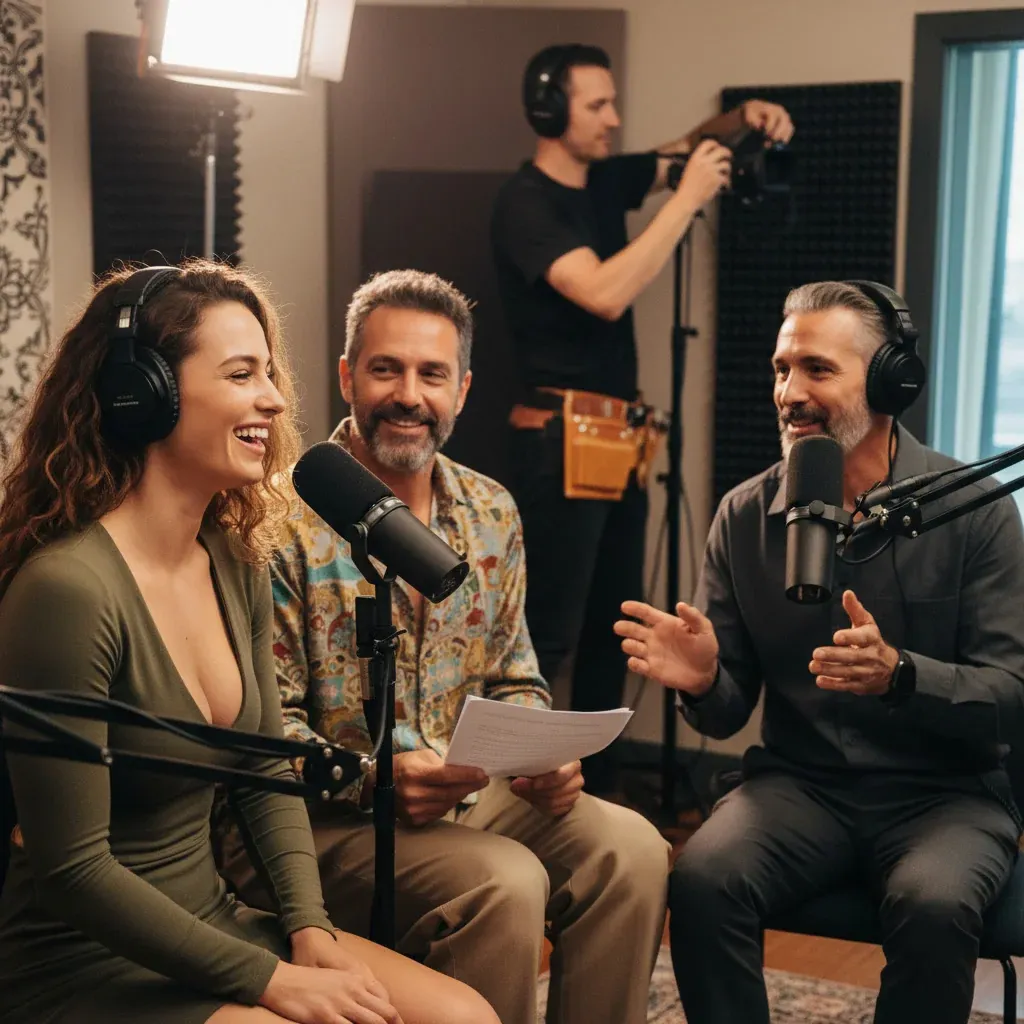
A font so boring it became a government standard, and now it’s staging a bureaucratic comeback. On this episode of The Vergecast, Nilay and David are joined by Charlie Harding, a music journalist and co-host of Switched on Pop, who walks us through the secret life of AI-generated music (and gamely lets us destroy a song he made). Before that, the hosts break down the Netflix-Paramount-Warner Bros.
tangle. And in the lightning round, a celebrity guest drops in to decode the State Department’s font drama. Plus: smart rings, disco browsers, garage door wars, and the latest installment of Brendan Carr is a Dummy.
It’s a lot. But it’s all connected.
Netflix is buying Warner Bros., unless Paramount can stop it.
The algorithm rewrites Hollywood. The machine hums a new country hit. And a font, an old, familiar serif, becomes the center of a bureaucratic tempest.
This is the world we live in now: a place where corporate consolidation and generative audio collide with the quiet drama of a State Department memo. The deal might be Netflix or Paramount; the outcome is the same, a future of fewer studios, more layoffs, and endless legal trench warfare. Meanwhile, Charlie Harding’s song got torn apart by our prompts, but that’s the point.
AI doesn’t replace the songwriter; it accelerates the terrible demo. And the Times New Roman comeback? Just a reminder that even in a landscape of deepfakes and merger mania, someone somewhere still cares deeply about a ligature.
The rest of us are left with smart rings, garage door wars, and the quiet certainty that Brendan Carr remains a dummy. Press play. Or don’t.
The feed will be here either way.
Related Reading
 AI Tools & Apps
 Claude gains shared context in Excel, PowerPoint; Microsoft adds Copilot Cowork
 AI Tools & Apps
 OpenAI Developer: AI Agent "Swarms" Waste Tokens, Create "Coordination Tax
 AI Tools & Apps
 LG's recent webOS update adds Microsoft Copilot app, now removable
 From Archives
 Amazon Prime Video removes AI recap after Fallout episode misdates flashback
 From Archives
 ACE launches AI system with human-in-the-loop controls and guardrails
Common Questions Answered
How are AI tools like Suno transforming the music creation process in Nashville?
AI tools are enabling songwriters to rapidly prototype musical demos in virtually any style, dramatically reducing the time and effort required for initial composition. These technologies allow musicians to generate semi-polished work that can serve as a creative starting point, potentially revolutionizing the traditional songwriting workflow.
What is happening in the current streaming landscape between Netflix and Paramount?
Netflix is engaged in an escalating conflict with Paramount in the streaming wars, signaling increasing tension and competition in the digital media market. The confrontation suggests a broader strategic battle for audience share and content dominance among major streaming platforms.
Why is Times New Roman experiencing a notable revival in typography?
Times New Roman, a classic typeface long considered standard in print and digital media, is staging an unexpected comeback in design circles. This revival suggests a potential renewed appreciation for traditional typographic styles amidst the constant evolution of digital design trends.
