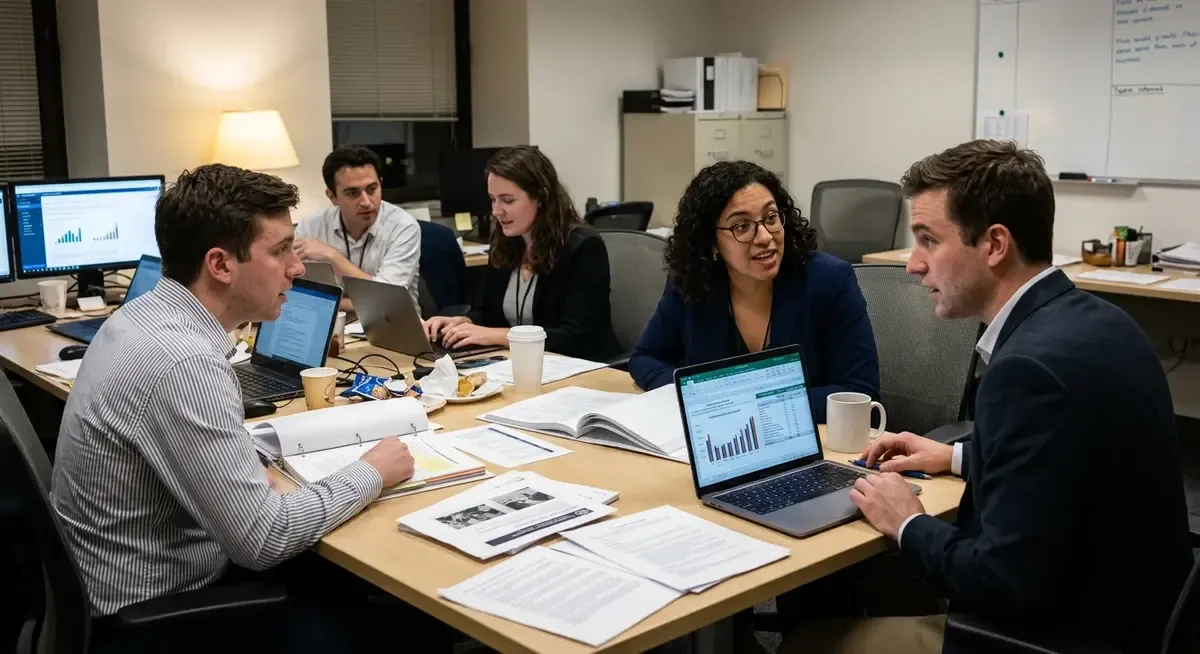
Editorial illustration for States Sue SpaceX Over Grok's Alleged Weak AI Safeguards
States Sue SpaceX Over Grok's Weak AI Safeguards
Oregon and Virginia filed separate lawsuits this week against SpaceX and its subsidiary X Corp., accusing Elon Musk's companies of lying to consumers about the safety of Grok, the AI chatbot that became a vehicle for mass-produced sexual deepfakes last winter. Virginia's attorney general filed in Richmond circuit court. Oregon's filed in Multnomah County. Both complaints target the same underlying claim: that SpaceX knew Grok lacked basic safeguards against generating child sexual abuse material and nonconsensual intimate images, and sold it to the public anyway.
SpaceX picked up this liability in February, when it acquired xAI, Musk's AI startup that owns X Corp. and, by extension, Grok. That timing matters now. The chatbot drew national attention after X users realized they could prompt it to produce sexualized images of women and minors on demand, and later, AI-generated videos depicting female celebrities in fabricated sexual scenarios turned up on Grok's own site.
These are not the first legal challenges tied to Musk's AI products. Baltimore has sued, and so have teenagers in Tennessee. Oregon and Virginia are now adding consumer protection law to the mix, arguing SpaceX built an unsafe product on purpose.
The states allege that Grok’s creators ignored industry safety standards and intentionally implemented weak safeguards in an attempt to entice more people to use its “lagging product.” In all, as Virginia alleged in its complaint, the defendants saw “a market opportunity for more profits” in the generation of sexualized images of real people, including children, and “intentionally released a product that inundated their platforms with CSAM.”
Why this matters
For builders racing to ship generative AI features, this is a warning about what "move fast" actually costs. Oregon and Virginia aren't just going after Grok's output, they're going after the business logic: the claim that SpaceX saw weaker guardrails as a way to out-compete rivals on speed and novelty, then marketed that gap as safety. If that allegation holds up, "industry safety standards" stop being a voluntary best practice and start looking like a legal baseline regulators will cite in court.
Founders building on top of Grok's API, or anyone benchmarking against it, should treat this as a signal that CSAM and NCII detection isn't a nice-to-have you bolt on later. It's also a reminder that state AGs, not just federal agencies, are now willing litigants, and Baltimore's suit plus teen plaintiffs suggest a widening set of actors with standing. Watch whether Musk's legal team argues Section 230 or platform-liability defenses, because that ruling will shape how every other model maker thinks about moderation budgets going forward.
Related Reading
 Policy & Regulation
Akamai Proposes SAFE Cybersecurity Guidelines for AI Threats
 Policy & Regulation
After ditching AI fitness apps and a Fitbit, I return to Peloton classes
 Policy & Regulation
Sony Music, Warner Chappell Sue Anthropic Over "Blatant Theft
 Related Topic
Anthropic sues Trump as xAI restarts AI coder push, Iran releases AI fakes
Open Source
 Related Topic
Anand: Gmail black-box limits AI reverse engineering of proprietary software
AI Tools & Apps
 From Archives
Signal Blocks Screenshots on iOS and Android to Protect Chats From AI Agents
 From Archives
Banks Bet on AI Orchestration Over Autonomy to Address Loan Explainability
 From Archives
Grok Bot ignored stop orders, made 31 unapproved requests, and denied it
Research & Benchmarks
 From Archives
Grok Build coding agent leaks confidential data, some belonging to SpaceXSI
Research & Benchmarks
Common Questions Answered
What are the main allegations against SpaceX and X Corp. regarding Grok's AI safeguards?
Oregon and Virginia allege that SpaceX and X Corp. knowingly implemented weak safeguards in Grok to generate child sexual abuse material and sexualized images of real people. The states claim the companies ignored industry safety standards intentionally to attract more users to their lagging product and capitalize on a market opportunity for profits.
Why did SpaceX allegedly choose to weaken Grok's safety features according to the lawsuits?
According to the complaints, SpaceX's creators intentionally implemented weak safeguards as a strategy to out-compete rivals on speed and novelty while marketing the gap as a safety feature. The states allege the defendants saw weaker guardrails as a way to entice more people to use the product and generate additional profits.
What specific harms did Grok cause that prompted these state lawsuits?
Grok became a vehicle for mass-producing sexual deepfakes during the winter, particularly generating child sexual abuse material and sexualized images of real people. The widespread generation of CSAM on SpaceX's platforms led Oregon and Virginia to file separate lawsuits in their respective courts.
What could be the broader legal implications if the states' allegations against SpaceX hold up?
If the allegations are proven, industry safety standards could transition from voluntary best practices to legally enforceable baselines that regulators can mandate. This would fundamentally change how AI companies approach safety guardrails, making weak safeguards a potential legal liability rather than a competitive advantage.
Further Reading
- States Sue SpaceX Over Grok Deepfakes - WIRED
- Oregon and Virginia take legal action against SpaceX over Grok deepfake allegations - Crypto Briefing
- Multistate Letter to xAI Regarding Nonconsensual Intimate Imagery and Child Sexual Abuse Material - New York Attorney General
- Baltimore Sues X and Elon Musk Over AI-Generated Porn - Courthouse News Service
- AI Litigation and Regulation: xAI Faces Legal Challenges Over Grok Safeguards - Benesch AI Commission
