
Editorial illustration for Senate Democrats seek to codify Anthropic's red lines on weapons, surveillance
Senate Democrats Seek AI Safety Law for Anthropic
Senate Democrats seek to codify Anthropic's red lines on weapons, surveillance
Corporate policy is just a PDF until the Senate makes it law. For Anthropic, that PDF is a set of self-imposed bans on autonomous weapons and mass surveillance. Now, led by Adam Schiff and Elissa Slotkin, Senate Democrats are drafting a bill to codify those very bans. Their aim is clear: etch these voluntary red lines into federal statute before the underlying AI technology races ahead of any regulation.
"The idea that they would therefore then try to turn around and kill the company, kill one of the preeminent leaders of AI is such a hostile, dictatorial kind of an act. They would set back America's leadership in AI, and Anthropic is one of the very best." Schiff's office is still in the process of drafting the legislation, but he said the aim is to ensure AI isn't used for "certain illicit purposes." Slotkin recently introduced a similar bill last week called the AI Guardrails Act, to reinforce protections against domestic mass surveillance and the use of autonomous lethal weapons without human intervention.
The legislative move by Schiff and Slotkin signals a hard pivot. Lawmakers are no longer willing to accept a tech firm's internal ethics board as the final arbiter of right and wrong. That’s a consequential precedent.
But transforming corporate promises into binding national law is perilous. The backlash frames a brutal choice: security or technological dominance. Critics see a potential kneecapping of U.S.
innovation. Congress now holds the immense task of drafting rules with teeth that don’t devour the industry they seek to govern. They must outlaw nightmare scenarios without declaring war on the companies in the room.
Getting it wrong risks everything. Getting it right would be a first.
Related Reading
Browse all Anthropic news →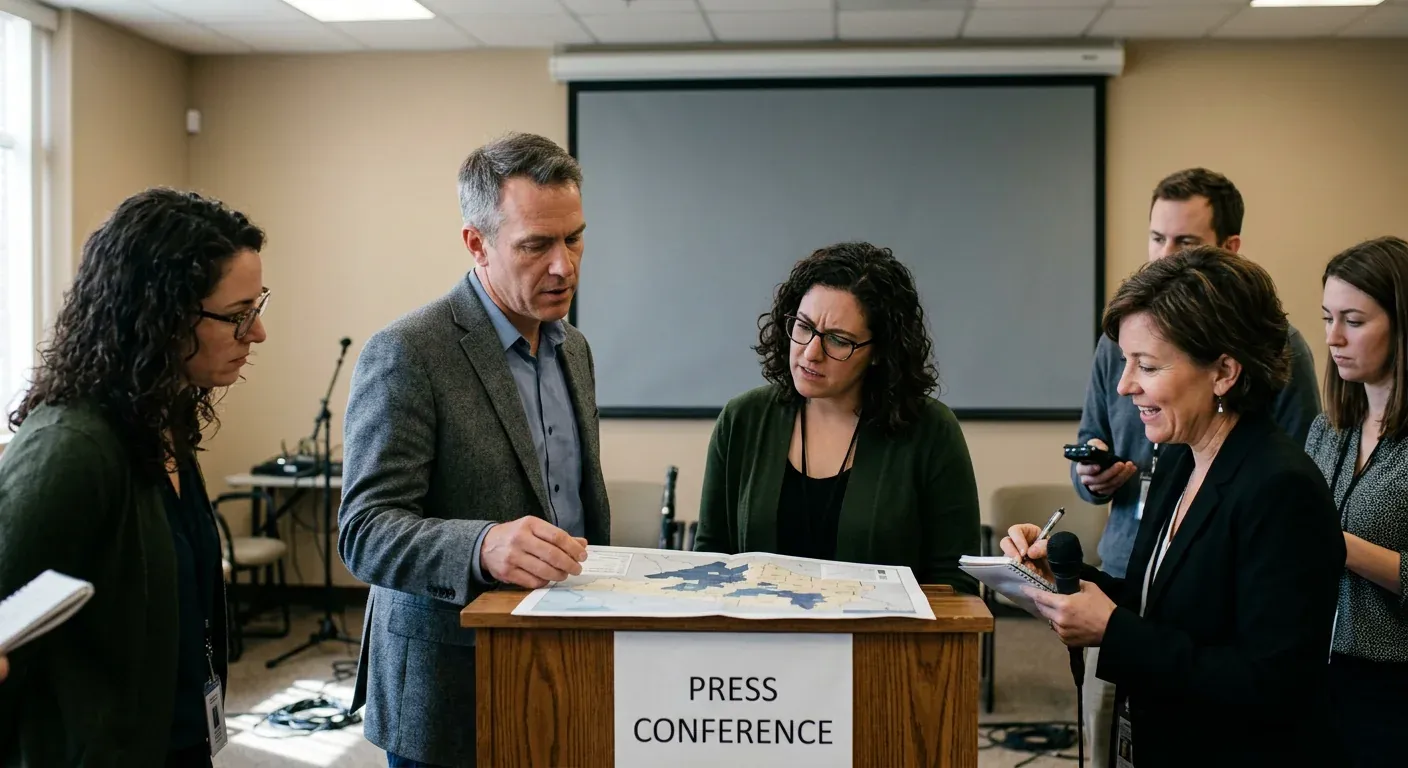 Policy & Regulation
 Akamai Proposes SAFE Cybersecurity Guidelines for AI Threats
 Policy & Regulation
 After ditching AI fitness apps and a Fitbit, I return to Peloton classes
 Policy & Regulation
 Sony Music, Warner Chappell Sue Anthropic Over "Blatant Theft
 Related Topic
 Anthropic: Hackers Stole Claude Tokens Via Compromised Session Key
LLMs & Generative AI
 Related Topic
 Trump cracks down on Anthropic after Amazon tip; staff largely foreign
Open Source
 From Archives
 AI tools aid lawyers as courts limit expert reports, say practitioners
 From Archives
 Trump urges Congress to preempt state AI laws, avoid fifty discordant rules
 From Archives
 Anthropic introduces safer auto mode for Claude Code, balancing handholding and autonomy
LLMs & Generative AI
 From Archives
 Anthropic releases Claude Code, Cowork for macOS in research preview
LLMs & Generative AI
Common Questions Answered
What specific limits on AI technology are Senate Democrats seeking to codify into law?
Senate Democrats are pushing legislation to legally enforce Anthropic's self-imposed restrictions on autonomous weapons and mass-surveillance technologies. The proposed bill aims to prevent AI from being used for potentially harmful or unethical purposes, particularly in military and surveillance contexts.
How might the proposed legislation impact Anthropic's role in AI development?
Critics argue that the proposed bill could potentially harm Anthropic, one of the leading AI companies, by imposing restrictive regulations that might impede technological innovation. The legislation could potentially set back U.S. leadership in AI development by creating overly burdensome constraints on a pioneering AI research company.
What is the primary goal of Representative Adam Schiff's proposed AI regulation bill?
Schiff's proposed bill aims to ensure that AI is not used for 'illicit purposes' and to maintain human judgment at the final decision point in critical scenarios. The legislation seeks to create guardrails that prevent autonomous weapons and invasive surveillance technologies from operating without human oversight.
Further Reading
- Dems drafting AI guardrails for autonomous weapons, domestic spying — Axios
- ICYMI: Axios: Sen. Schiff “drafting AI guardrails for autonomous weapons, domestic spying” — Senator Adam Schiff's Office
- Slotkin Legislation Puts Common-sense Guardrails on DOD AI Use Around Lethal Force, Spying on Americans and Nuclear Weapons — Senator Elissa Slotkin's Office
