
Editorial illustration for Samsung Deploys ChatGPT and Codex in Software, Marketing, Product, Manufacturing
Samsung Deploys ChatGPT and Codex in Software,...
Other firms treat AI like another software license—buy it for a team, run a limited pilot. Samsung skipped that step entirely. Its sweeping, simultaneous deployment treats generative AI as baseline infrastructure, like email.
A technician diagnosing a production line fault and a marketer in Seoul drafting copy now share the same underlying system. The language model is the platform.
For a company synonymous with rigid process, this compulsory adaptation is a startling shift. The real experiment is cultural. If this works at Samsung's immense scale, it sets a new minimum viable operating system for any large corporation.
Others would have to follow. Not because it's innovative, but because it would be considered basic.
Related Reading
Browse all OpenAI news → LLMs & Generative AI
 ChatGPT's 'Nerdy' tweak rewards goblin metaphors in answers, study finds
 LLMs & Generative AI
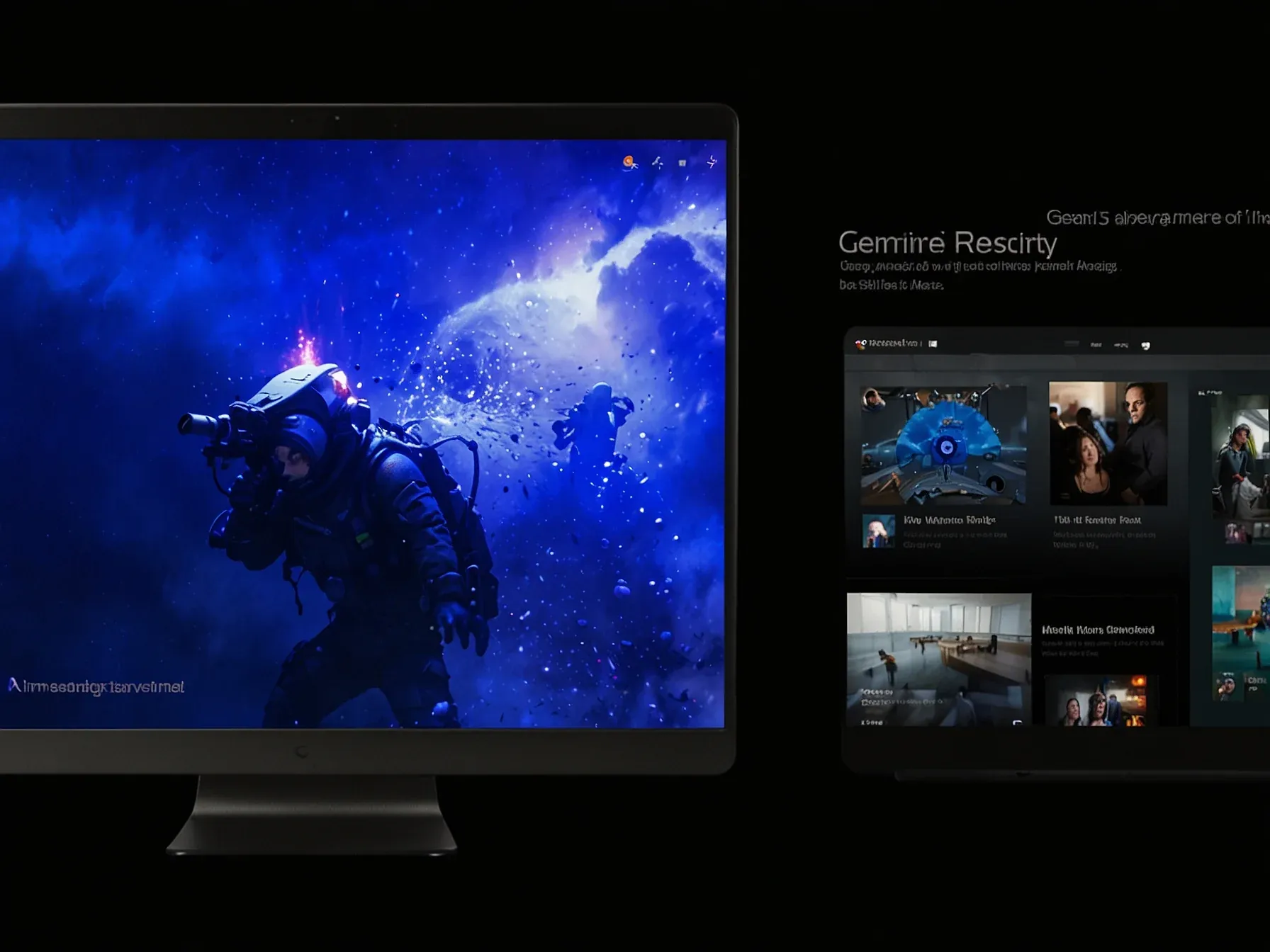
 Google tests visual 'magazine-style' UI for Gemini 3 Pro users
 LLMs & Generative AI
 AI Engineers Face Rising Costs, Need New Strategies for Efficiency
 Related Topic
 OpenAI's GPT Transcribe Cuts Error Rate to 3.31%, Improving on GPT-4o
Open Source
 Related Topic
 OpenAI Developer: AI Agent "Swarms" Waste Tokens, Create "Coordination Tax
AI Tools & Apps
 From Archives
 Retrieval quality quickly becomes bottleneck for parametric memory’s long‑term weights
 From Archives
 AI agents pick tools using function and parameter descriptions, study shows
 From Archives
 Tip: Ask Clarifying Questions First to Refine ChatGPT Prompts
 From Archives
 OpenAI Codex records a task and repeats it, unavailable in EU, UK, Switzerland
AI Tools & Apps
Common Questions Answered
How is Samsung deploying ChatGPT and Codex across its organization?
Samsung is implementing ChatGPT and OpenAI's Codex simultaneously across software development, marketing, product design, and manufacturing as baseline infrastructure rather than conducting limited pilots. This sweeping deployment treats generative AI as fundamental to corporate operations, similar to how email functions as a standard business tool across all departments and functions.
What makes Samsung's approach to generative AI deployment different from other firms?
While other companies typically treat AI as another software license for individual teams and run limited pilots, Samsung skipped the pilot phase entirely and deployed generative AI as compulsory, foundational infrastructure across the entire organization. This approach represents a significant cultural shift for a company historically known for rigid processes and structured operations.
Which departments at Samsung are using the ChatGPT and Codex platform?
Samsung is deploying ChatGPT and Codex across multiple departments including software development, marketing, product design, and manufacturing operations. Employees ranging from technicians diagnosing production line faults to marketers in Seoul drafting copy now share access to the same underlying language model platform.
Why does Samsung treat the language model as a platform rather than a standalone tool?
By treating the language model as the platform itself, Samsung enables cross-functional integration where different departments and roles can leverage the same AI infrastructure for diverse purposes. This unified approach allows technicians, marketers, product designers, and manufacturing staff to work within a common system, maximizing efficiency and consistency across the organization.
Further Reading
- Introducing ChatGPT Enterprise — OpenAI
- Samsung and OpenAI Announce Strategic Partnership To Accelerate Advancements in Global AI Infrastructure — Samsung Newsroom
- Wave of Enterprise AI Adoptions Across Industries, Samsung SDS ... — Samsung SDS
- Samsung Becomes Enterprise ChatGPT Reseller After Altman Talks — The Dong-A Ilbo
- Samsung employees leaked corporate data in ChatGPT: report — CIO Dive
