
Editorial illustration for NVIDIA Releases Physical AI Datasets with 7M Robotics Trajectories and 1K Assets
NVIDIA Unveils 7M Robotics Trajectories for AI Training
NVIDIA launches Physical AI Open Datasets: 7M trajectories, 1K assets
NVIDIA dumped a massive pile of training data onto the internet. It’s a set of files meant to teach machines how to move through the physical world, and it’s already been grabbed over six million times.
The collection is called the NVIDIA Physical AI Open Datasets. It lives on Hugging Face. The numbers are the point: 7 million robotics trajectories, 1,000 simulation-ready assets.
It’s data from their Cosmos, Isaac, DRIVE, and Metropolis platforms, a mix of real and synthetic information. The goal is to give researchers something concrete to work with, to move physical AI from concept to code a bit faster.
NVIDIA earlier this year released the NVIDIA Physical AI Open Datasets on Hugging Face, featuring more than 7 million robotics trajectories and 1,000 OpenUSD SimReady assets. Downloaded more than 6 million times, the datasets combines real‑world and synthetic data from the NVIDIA Cosmos, Isaac, DRIVE and Metropolis platforms to kickstart physical AI development.
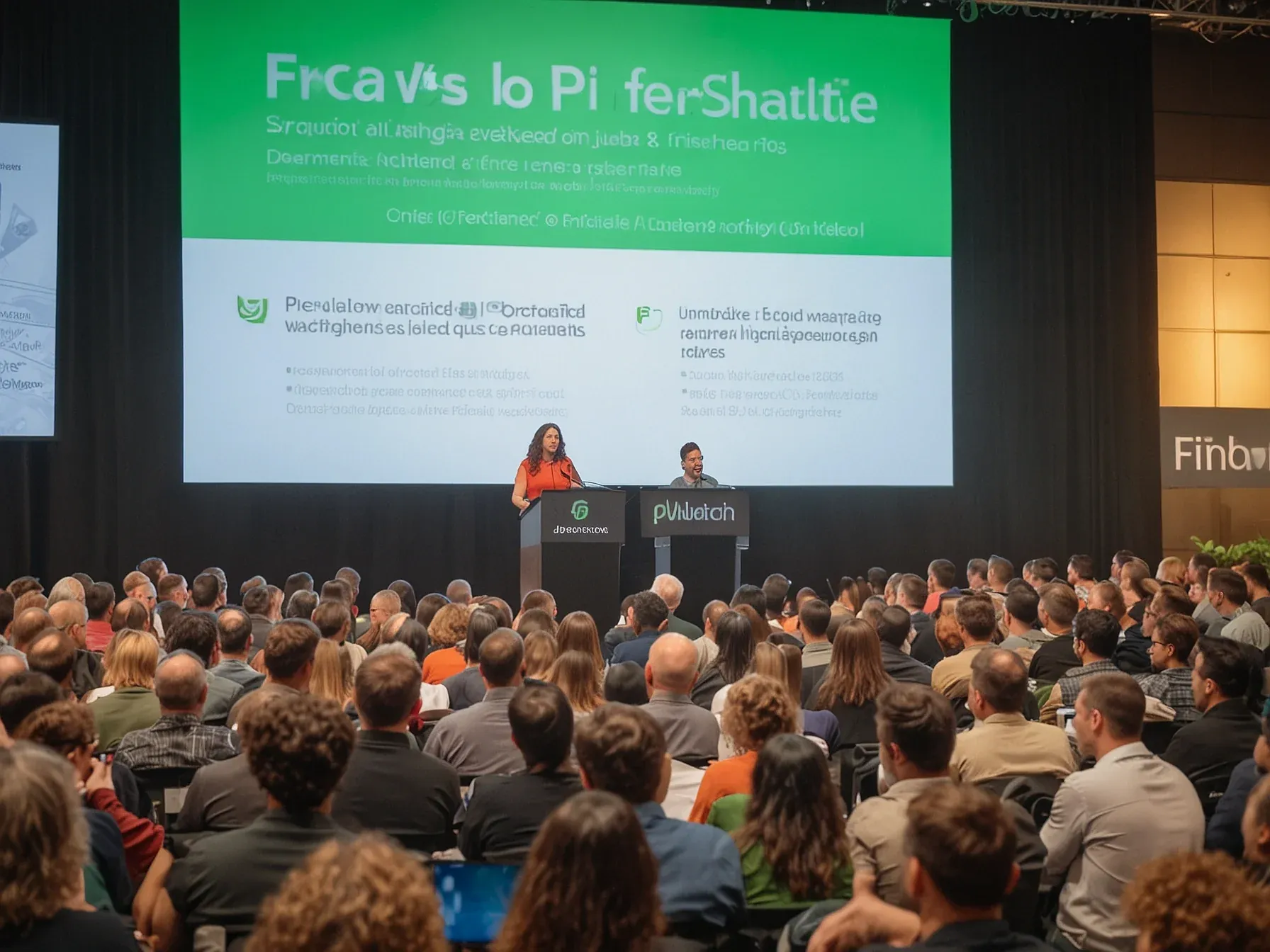
Six million downloads is a signal. It means a lot of people are looking for this specific kind of fuel. The release was timed with a startup showcase at the PyTorch Conference, which is no accident. NVIDIA is laying out tools and hoping someone builds something interesting with them.
Whether this data leads to smarter robots or just better academic papers is an open question. But for now, it’s a large, free resource in a field where high-quality data is often the biggest bottleneck. The gauntlet is just sitting there. Someone has to pick it up.
Further Reading
- Nvidia CES 2026: Alpamayo Open-Source AI Marks Physical AI Era - StockTitan
- Huang Lays Out NVIDIA's Plan for the Physical AI Era at CES 2026 - TechBuzz
- NVIDIA expands open-source tools for physical AI and robotics - Engineering.com
- NVIDIA Bets Big on AI-Driven Drug Discovery, Physical AI, and a $1 Billion Eli Lilly Partnership - Bio-IT World
Related Reading
 Open Source
 D&B rebuilds 642 million‑business database after AI agents hit limits
 Open Source
 Box CEO Aaron Levie Says AI Will Drive "Biggest Cybersecurity Upgrade
 Open Source
 Study: 6.7% of Deepfake Requests on Hugging Face Targeted Children
 Related Topic
 NVIDIA and Google Cloud let developers scale AI from prototype to production
Market Trends
 Related Topic
 NVIDIA NeMo powers telco reasoning model for autonomous network workflows
Industry Applications
 From Archives
 Bryan Cranston, SAG-AFTRA say OpenAI is taking Sora 2 deepfake issues seriously
 From Archives
 NVIDIA backs PyTorch with open-source contributions, leadership, event support
 From Archives
 NVIDIA and TSMC Celebrate First US-Made Blackwell Wafer from Advanced Fab
Business & Startups
 From Archives
 Reviews suggest Nvidia DGX Spark mini-DGX copies DGX design, unveiled by Huang
Research & Benchmarks
Common Questions Answered
How many robotics trajectories are included in NVIDIA's Physical AI Open Datasets?
NVIDIA has released over 7 million robotics trajectories in their Physical AI Open Datasets. These trajectories are sourced from multiple NVIDIA platforms including Cosmos, Isaac, DRIVE, and Metropolis, providing a comprehensive resource for AI training.
Where are the NVIDIA Physical AI Open Datasets currently available?
The datasets are available on Hugging Face, a popular machine learning platform for sharing datasets and models. Since their release, these datasets have already been downloaded more than 6 million times, indicating significant interest from the AI and robotics research community.
What types of assets are included in NVIDIA's Physical AI Open Datasets?
The datasets include 1,000 OpenUSD SimReady assets alongside the 7 million robotics trajectories. These assets combine both real-world and synthetic data, designed to help researchers and developers advance physical AI development and machine interaction with complex environments.
Further Reading
- NVIDIA Unveils Open Physical AI Dataset to Advance Robotics and Autonomous Vehicles — NVIDIA Blog
- NVIDIA Announces Major Release of Cosmos World Foundation Models and Physical AI Data Tools — NVIDIA Investor News
- NVIDIA Accelerates Robotics Research and Development With New Open Models and Simulation Libraries — NVIDIA Newsroom
- NVIDIA Research Shapes Physical AI — NVIDIA Blog
