
Editorial illustration for Microsoft agrees with teachers unions on AI privacy rules for schools
Microsoft Agrees to AI Privacy Rules for Schools
Microsoft signed onto ten AI safety and privacy principles for K-12 schools this week, striking a deal with the American Federation of Teachers and its New York City affiliate, the United Federation of Teachers. The agreement lets school districts write the terms directly into their contracts starting in November, without renegotiating everything else. Among the commitments: Microsoft won't train its AI models on student or educator data, will limit how much data it collects in the first place, and will explain its tools to families in plain language rather than legal boilerplate. The company also agreed to ban AI companions outright and to require a human in the loop for any "high-risk" decision involving students.
The timing isn't incidental. New York City and Los Angeles both rolled out one-year bans on student-facing AI tools just last week, buying time to figure out what guardrails actually make sense. Parents and teachers in both districts have pushed back hard on AI and screen use generally, and Microsoft's move reads as an attempt to get ahead of more bans before they land. The AFT, which represents roughly 1.8 million members nationally, framed the deal as filling a gap left by regulators.
In a new agreement with the American Federation of Teachers (AFT), the second-largest teachers union in the US, and its New York City affiliate the United Federation of Teachers (UFT), Microsoft committed to ten principles that can be contractually enforced by school districts that adopt them.
Why this matters
For anyone building AI products aimed at kids, this is the template to watch. Microsoft just handed the AFT and UFT contractually enforceable language, not a press release full of promises. That distinction matters to us: a marketing pledge can be walked back quietly, but a clause a school district can sue over is a different kind of commitment. Companies like OpenAI and Google, both courting the education market hard, now face pressure to match these terms or explain why they won't.
We'd also flag the timing. This deal landed a week after two major school systems banned student-facing AI outright. That's not coincidental, it's a company reading the room before regulation forces its hand. The ban on AI companions specifically is worth noting for founders in the edtech chatbot space; that product category may be closing faster than the funding rounds behind it suggest.
The open question is enforcement. Principles on paper are one thing. Whether Microsoft's actual data pipelines get audited, and by whom, is what determines if this holds up past the announcement.
Related Reading
Browse all Microsoft news →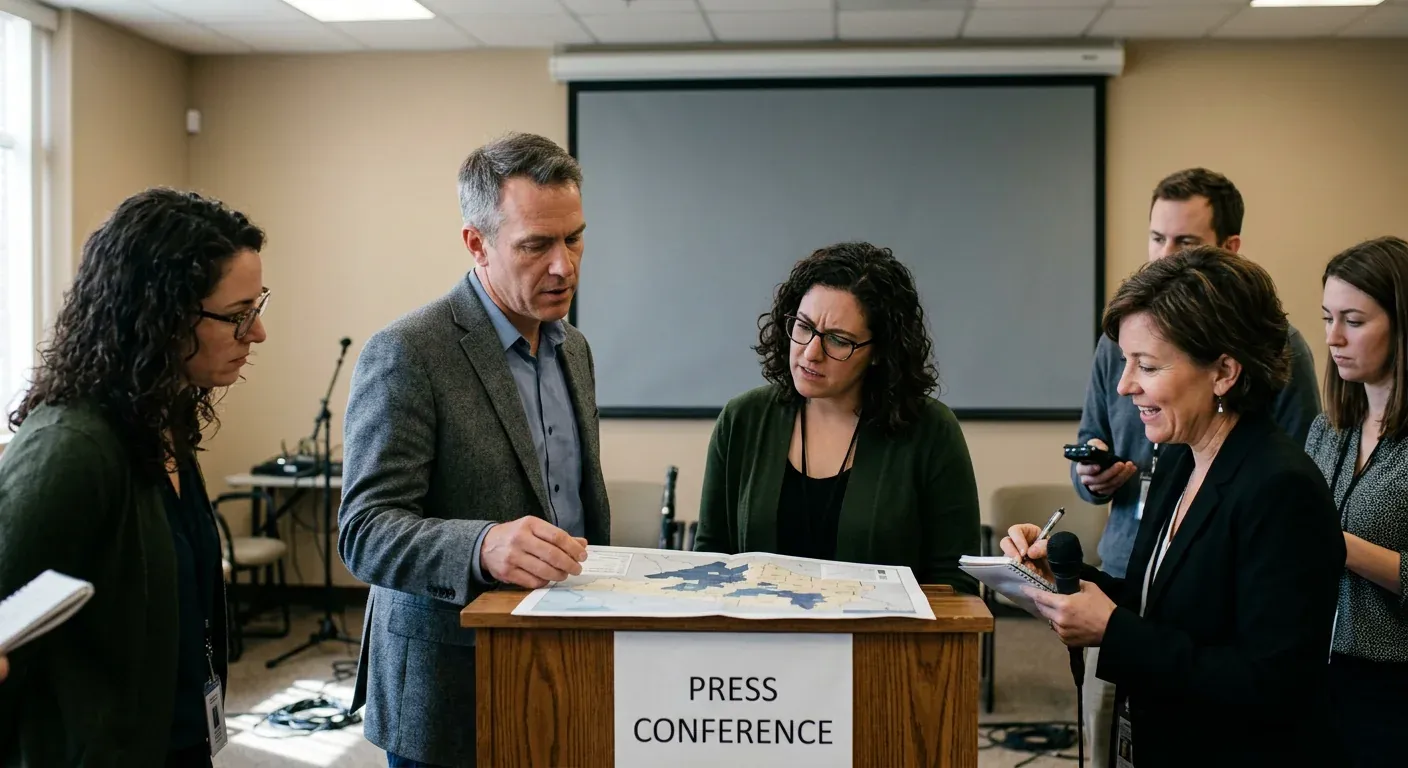 Policy & Regulation
 Akamai Proposes SAFE Cybersecurity Guidelines for AI Threats
 Policy & Regulation
 After ditching AI fitness apps and a Fitbit, I return to Peloton classes
 Policy & Regulation
 Sony Music, Warner Chappell Sue Anthropic Over "Blatant Theft
 Related Topic
 Claude gains shared context in Excel, PowerPoint; Microsoft adds Copilot Cowork
AI Tools & Apps
 Related Topic
 Microsoft AI Chief: "If It Isn't Safe We Shouldn't Build It
Research & Benchmarks
 From Archives
 Meta's Muse AI Agent Connects to Multiple Services, With More Planned
 From Archives
 Trump Administration Backs OpenAI in Copyright Case
 From Archives
 Seattle Times, Newsday Sue OpenAI and Microsoft
LLMs & Generative AI
 From Archives
 Microsoft Claims Chatbot Logs Skewed to Overstate NYT Article Use
AI Tools & Apps
Common Questions Answered
What are the ten AI safety and privacy principles Microsoft committed to in its agreement with teachers unions?
While the article mentions ten principles, it specifically highlights that Microsoft won't train its AI models on student or educator data and will limit the amount of data it collects from schools. The agreement makes these commitments contractually enforceable, meaning school districts can include them directly in their contracts with Microsoft starting in November without renegotiating other terms.
How does Microsoft's contractually enforceable agreement differ from typical AI company privacy pledges?
Microsoft's deal with the American Federation of Teachers and United Federation of Teachers provides legally binding language that school districts can enforce through lawsuits, rather than just marketing promises. This distinction is significant because contractual clauses create actual accountability, whereas press release pledges can be quietly abandoned without legal consequences.
Which teachers unions negotiated the AI privacy agreement with Microsoft?
The American Federation of Teachers (AFT), the second-largest teachers union in the US, and its New York City affiliate the United Federation of Teachers (UFT) negotiated the agreement with Microsoft. This partnership between the national and local union chapters resulted in enforceable AI privacy protections for K-12 schools.
Why does this Microsoft-teachers union agreement matter for other AI companies like OpenAI and Google?
Microsoft's contractually enforceable AI privacy principles now serve as a template that other companies courting the education market must match or justify not adopting. Companies like OpenAI and Google face increased pressure to offer similar protections or publicly explain why they won't commit to the same privacy standards for student data.
Further Reading
- Teachers union reaches AI privacy deal with Microsoft - POLITICO
- Microsoft And AFT Put AI Safety Into School Contracts - Forbes
- AFT, UFT and Microsoft set major AI-in-schools announcement amid NYC classroom restrictions - ABC7 New York
- Teachers' Union's AI Plan Seeks 'Big Tech Tax,' Screen Bans in Elementary Schools - Education Week
- Teachers need help with AI. A union is offering training - The Guardian
