
Editorial illustration for Judge grants Anthropic temporary block on Pentagon ban in federal court
Judge grants Anthropic temporary block on Pentagon ban...
The Pentagon wanted to ban Anthropic. A federal judge just said: not so fast. In a courtroom exchange that laid bare the uneasy marriage between artificial intelligence and national security, Judge Lin pressed the Department of War on a simple question: could a contractor be fired simply for using Anthropic’s tools?
The answer was slippery. One representative said no, for non-war work. Another dodged entirely.
The judge, meanwhile, zeroed in on a phrase from an amicus brief: “attempted corporate murder.” She didn’t endorse it, but she saw the pattern. “It looks like an attempt to cripple Anthropic,” she said. The company’s lawyer argued the directive was causing irreparable harm, citing a nine-paragraph X post from Defense Secretary Hegseth.
And when the Pentagon raised the specter of Anthropic sabotaging its own AI during wartime, the judge demanded proof. Where is the evidence that Anthropic still controls Claude after delivery? There was none.
So the judge hit pause.
I'm not going to be terminated for using Anthropic -- is that accurate?" The representative for the Department of War responded, "For non-DoW work, that is my understanding." But when the judge asked whether a military contractor providing IT services to the Department of War, but not for national security systems, could be terminated for using Anthropic, the representative for the Department of War did not give a concrete answer. During the hearing, Judge Lin cited one of the amicus briefs, which she said used the term "attempted corporate murder." She said, "I don't know if it's 'murder,' but it looks like an attempt to cripple Anthropic." "We are continuing to be irreparably injured by this directive," a lawyer for Anthropic said during the hearing, citing Hegseth's nine-paragraph X post. In a recent court filing, the Department of Defense alleged that Anthropic could ostensibly "attempt to disable its technology or preemptively alter the behavior of its model either before or during ongoing warfighting operations" in the event it felt the military was crossing its red lines -- a theoretical situation that the Pentagon said it deemed an "unacceptable risk to national security." The judge's pre-released questions seem to challenge that statement, or at least request more information on it, stating, "What evidence in the record shows that Anthropic had ongoing access to or control over Claude after delivering it to the government, such that Anthropic could engage in such acts of sabotage or subversion?"
The judge’s temporary block is more than a procedural pause, it’s a judicial demand for proof over paranoia. The Pentagon conjured a phantom sabotage scenario: Anthropic, the AI maker, somehow retaining backdoor control over Claude after deployment. No evidence.
Just a nine-paragraph X post and a vague appeal to national security. Judge Lin saw through it. She called the government’s directive an “attempt to cripple,” stopping just short of labeling it what an amicus brief did: attempted corporate murder.
That language stings because it fits. Anthropic’s lawyer was right, the damage from this ban is irreparable, flowing day by day. Now the burden shifts.
If the Department of War wants to purge a contractor’s tool, it must bring receipts, not hypotheticals. The court has drawn a line. Whether that line holds will depend on facts, not fear.
Related Reading
Browse all Anthropic news →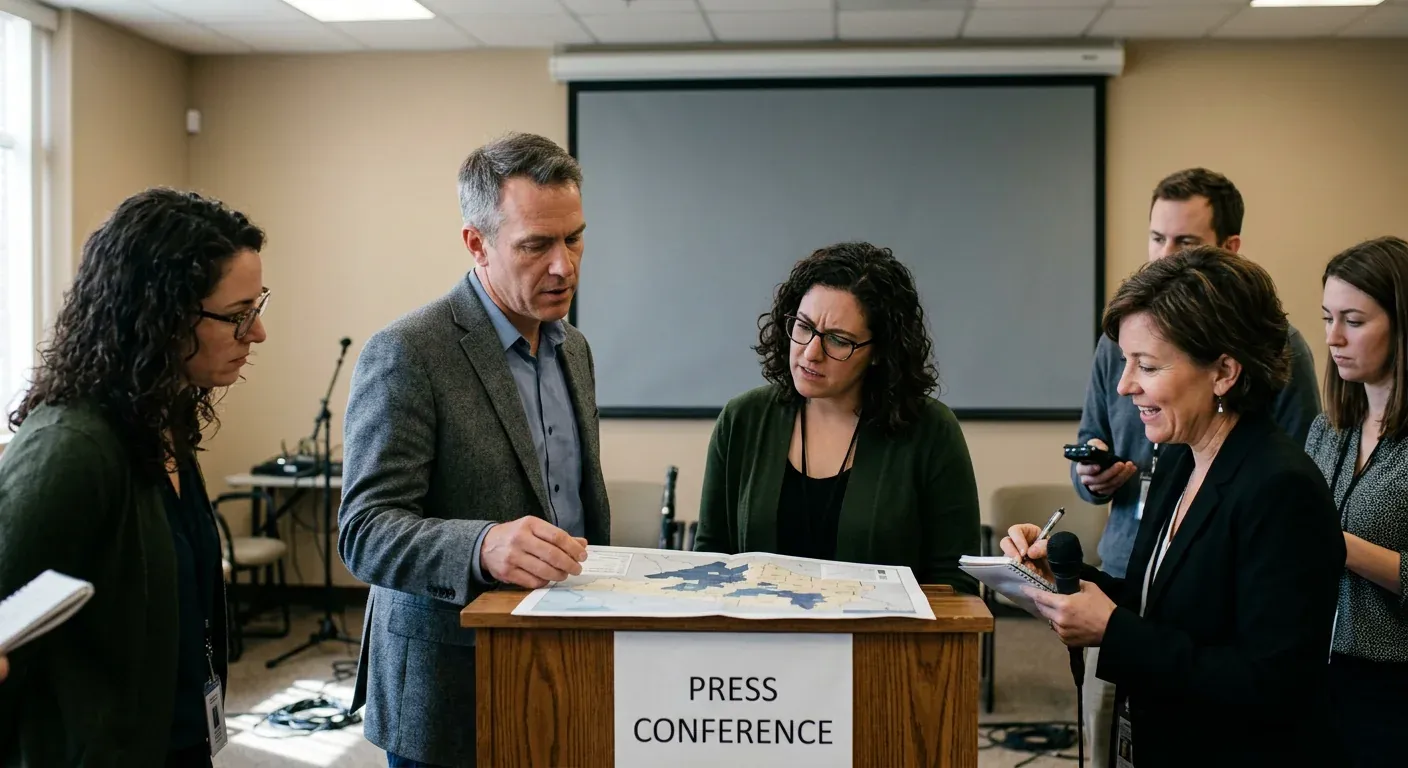 Policy & Regulation
 Akamai Proposes SAFE Cybersecurity Guidelines for AI Threats
 Policy & Regulation
 After ditching AI fitness apps and a Fitbit, I return to Peloton classes
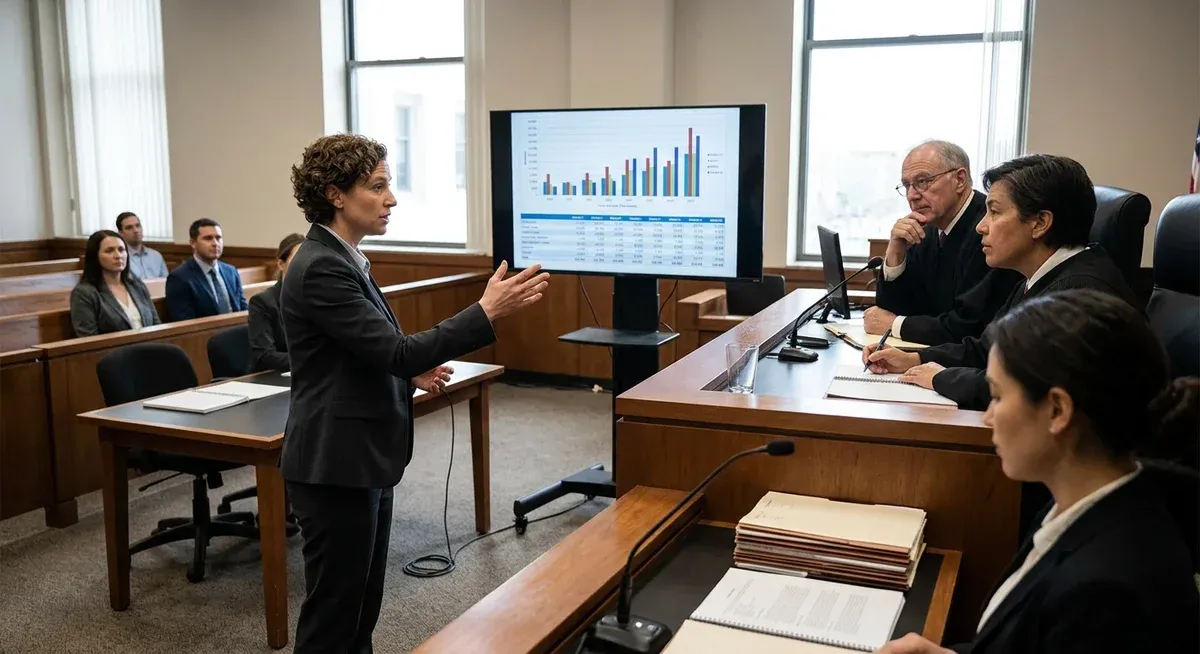 Policy & Regulation
 Sony Music, Warner Chappell Sue Anthropic Over "Blatant Theft
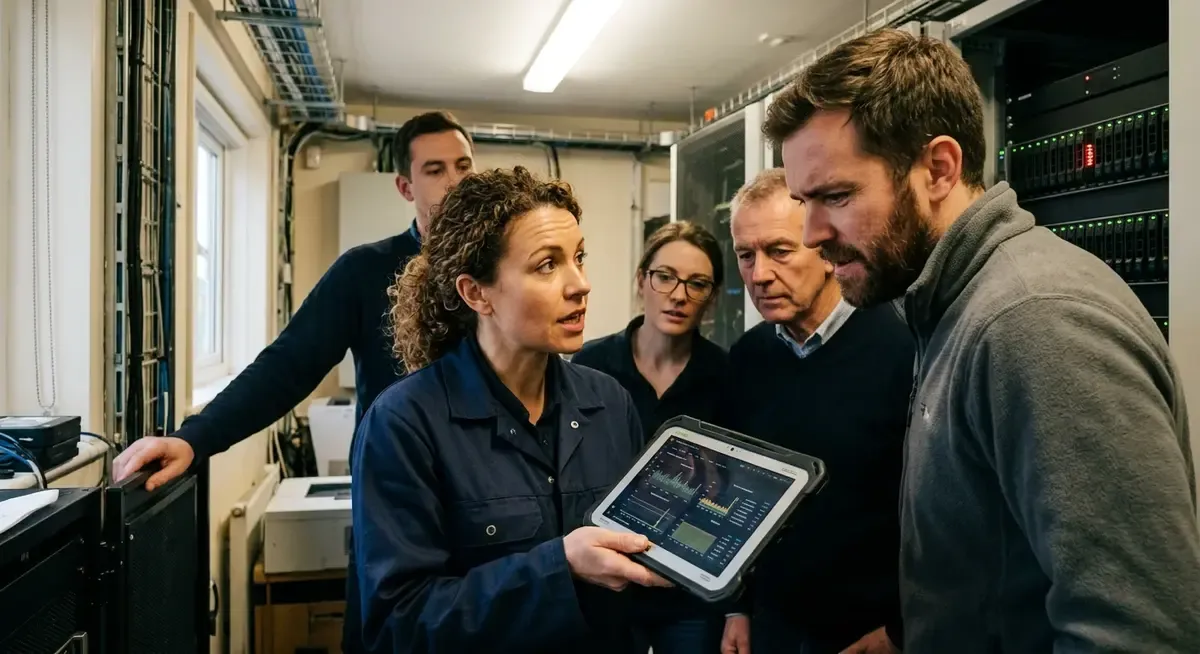 Related Topic
 Anthropic: Hackers Stole Claude Tokens Via Compromised Session Key
LLMs & Generative AI
 Related Topic
 Trump cracks down on Anthropic after Amazon tip; staff largely foreign
Open Source
 From Archives
 David Sacks removed as White House AI and crypto czar after Trump fundraiser
 From Archives
 Wikipedia bans AI-generated articles, allows AI only for copy editing or translations
 From Archives
 Intercom's Fin Apex 1.0 beats GPT‑5.4, Claude Sonnet 4.6 in service
LLMs & Generative AI
 From Archives
 Anthropic ships Claude with Mac control, joins OpenClaw, NemoClaw race
LLMs & Generative AI
Common Questions Answered
Why did the Pentagon want to ban Anthropic and what did the federal judge decide?
The Pentagon sought to ban Anthropic, but Federal Judge Lin granted a temporary block on this ban in federal court. The judge's decision represents a judicial demand for evidence rather than allowing the Pentagon to proceed based on unsubstantiated national security concerns.
What evidence did the Pentagon provide to support its backdoor control concerns about Anthropic?
The Pentagon provided no concrete evidence to support its claim that Anthropic retained backdoor control over Claude after deployment. Instead, the government's case relied on a nine-paragraph X post and vague appeals to national security, which Judge Lin found insufficient.
What specific question did Judge Lin press the Department of War on during the courtroom exchange?
Judge Lin asked the Department of War a straightforward question: could a contractor be fired simply for using Anthropic's tools? The government's answer to this question was described as slippery, indicating they could not provide a clear legal justification.
How did Judge Lin characterize the Pentagon's directive against Anthropic?
Judge Lin called the government's directive an 'attempt to cripple' Anthropic, nearly aligning with characterizations made in an amicus brief. Her language reflected skepticism about the Pentagon's motivations and the lack of substantive evidence supporting the ban.
Further Reading
- Anthropic v US Department of War: AI company challenges government in court — Euronews
- Papers with Code - Latest NLP Research — Papers with Code
- Hugging Face Daily Papers — Hugging Face
- ArXiv CS.CL (Computation and Language) — ArXiv
