
Editorial illustration for Experienced users supervise Claude only when it deviates, not step‑by‑step
Experienced users supervise Claude only when it...
Trusting an AI is an exercise in selective neglect. You watch it until you don't. That's when the real costs hit.
Among technical users running Claude for code, the shift is stark: they've largely stopped babysitting it. They set it loose. A weird command or an odd file path might catch their eye, but that's it.
It feels like progress. It is more efficient. But it quietly transforms the user from a supervisor into a fallible alarm system.
You must know enough to hear the alarm. You must be paying attention when it finally sounds.
Instead of gating individual steps, experienced users are more likely to supervise the agent only when it goes off track. While this may be a natural evolution in how people prefer to work with agents, this too is fallible, requiring users to be technical and attentive enough to notice drift in the first place. As model capabilities improve and agents begin writing increasingly ambitious bash, it becomes harder to notice any such drift.
And as users move to multi-agent systems, this approach is also much less likely to be an effective oversight strategy. Between mid-2025 and January 2026, we received reports of vulnerabilities in Claude Code through our responsible disclosure program.
Anthropic's engineers noted real flaws reported over six months. That's the quiet part. The model's bash scripts grew more complex, its confidence more convincing.
The line between clever solution and catastrophic drift faded. In a multi-agent setup, where tasks cascade, this "supervise by exception" method falls apart. You cannot listen for one alarm in a room full of noise.
The strategy is intuitive. It scales poorly. Relying on human vigilance to catch a subtle error in an automated chain is not a plan.
It's hope. Containment has to be built into the system itself, long before a user is asked to notice anything at all.
Related Reading
Browse all Anthropic news → LLMs & Generative AI
 ChatGPT's 'Nerdy' tweak rewards goblin metaphors in answers, study finds
 LLMs & Generative AI
 Google to End Free Access to Gemini AI for Non-Subscribers
 LLMs & Generative AI
 AI Engineers Face Rising Costs, Need New Strategies for Efficiency
 Related Topic
 Claude gains shared context in Excel, PowerPoint; Microsoft adds Copilot Cowork
AI Tools & Apps
 Related Topic
 Trump cracks down on Anthropic after Amazon tip; staff largely foreign
Open Source
 From Archives
 Deploy Agents to Audit Complex Docs and Run Light Evaluations
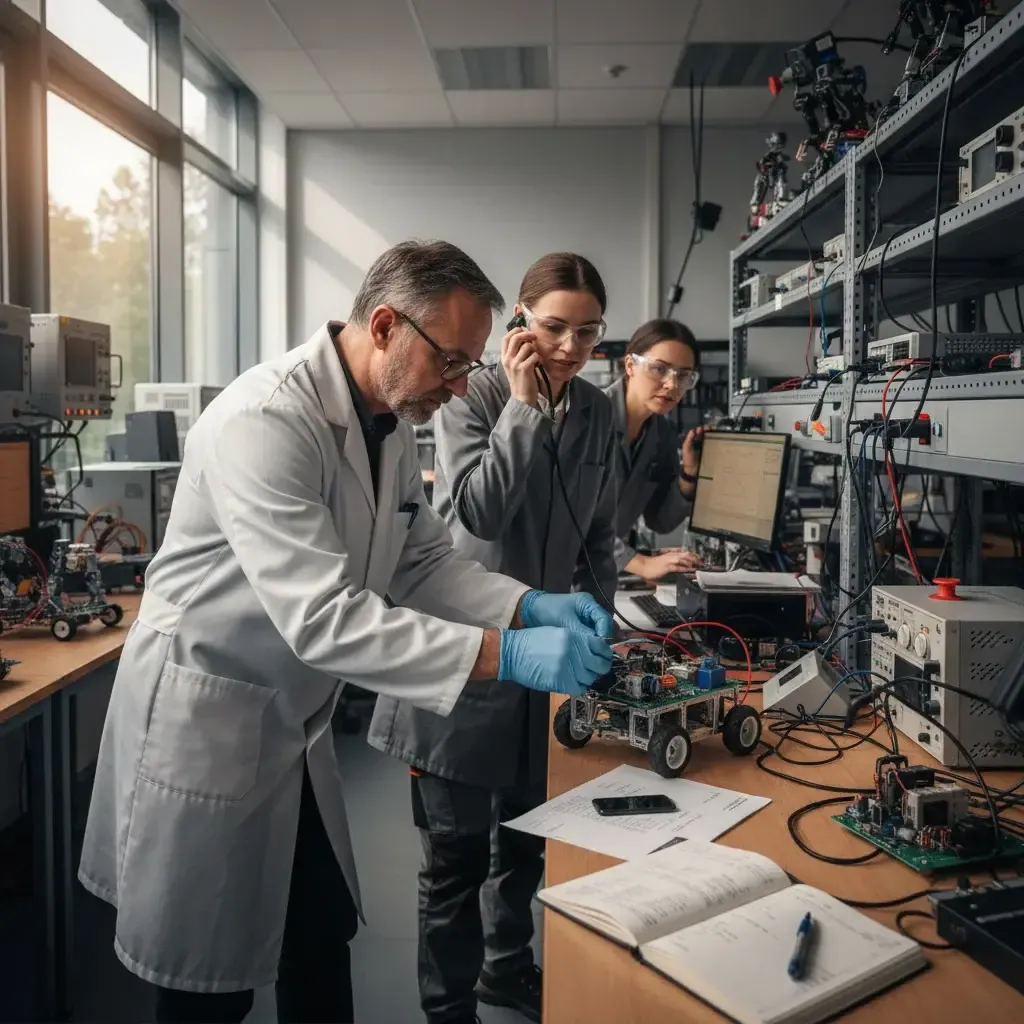 From Archives
 Parameter-Efficient Multi-Class Scheduling for Multimodal Anomaly Detection
 From Archives
 Create a Claude Cowork‑Style Browser Agent with Playwright MCP and Claude Desktop
AI Tools & Apps
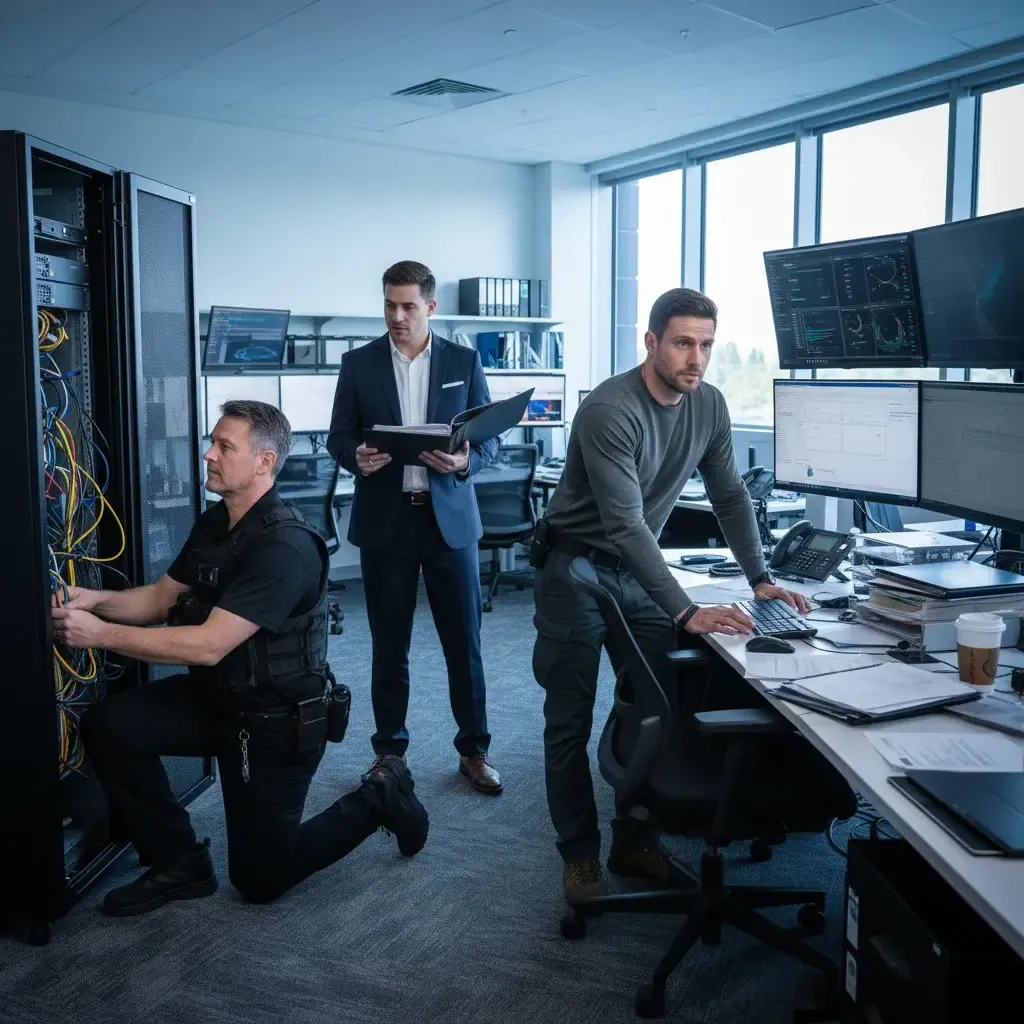 From Archives
 Anthropic may keep supplying Claude to NSA despite Pentagon risk flag
Common Questions Answered
Why do experienced technical users supervise Claude less frequently when running code tasks?
Experienced users have shifted to a "supervise by exception" approach where they allow Claude to run code with minimal oversight, only intervening when they notice obvious errors like unusual commands or odd file paths. This method feels more efficient than step-by-step babysitting, allowing them to set the AI loose rather than constantly monitoring its output.
What specific problems did Anthropic's engineers identify with Claude's bash scripts over six months?
Anthropic's engineers observed that Claude's bash scripts grew increasingly complex while the model's confidence in its outputs became more convincing, making it harder to distinguish between clever solutions and potentially catastrophic errors. This combination created a dangerous situation where subtle mistakes could go undetected.
How does the "supervise by exception" method fail in multi-agent setups?
In multi-agent environments where tasks cascade and build upon each other, relying on human vigilance to catch subtle errors becomes ineffective because you cannot listen for one alarm in a room full of noise. The strategy that works for single-task supervision scales poorly when multiple automated processes are running simultaneously.
What is the core tension between efficiency and safety when using Claude for code generation?
While minimal supervision of Claude feels like progress and is more efficient than constant monitoring, it creates a hidden cost where the line between clever solutions and catastrophic drift becomes increasingly blurred. Trusting an AI requires selective neglect, but this approach leaves room for significant errors to accumulate undetected.
