
Editorial illustration for The Download: A humanoid cleans house and Samsung builds for the AI boom
Humanoid Robot Cleans House as Samsung Bets on AI
The Download: A humanoid cleans house and Samsung builds for the AI boom
A startup called Tau Robotics sent a humanoid robot into a San Francisco apartment to clean it, and the person inside the apartment was a reporter from MIT Technology Review who'd signed up off an X post because she wanted her place to feel like something out of The Jetsons. The robot wasn't working on its own. A remote human pilot watched through onboard cameras and steered the machine through the job, which tells you something about where humanoid robotics actually stands right now versus where the demo reels suggest it stands.
Meanwhile, 7,000 miles away in Pyeongtaek, South Korea, Samsung is pouring money into a semiconductor campus built to keep up with the chip demand that generative AI has created. Three fabs run there around the clock already, a fourth is about to join them, and thousands of construction workers are rushing a fifth into existence. Both stories, the robot and the chip campus, are snapshots of an AI buildout that looks very different depending on whether you're watching it clean your kitchen or watching it pour concrete for the next fab.
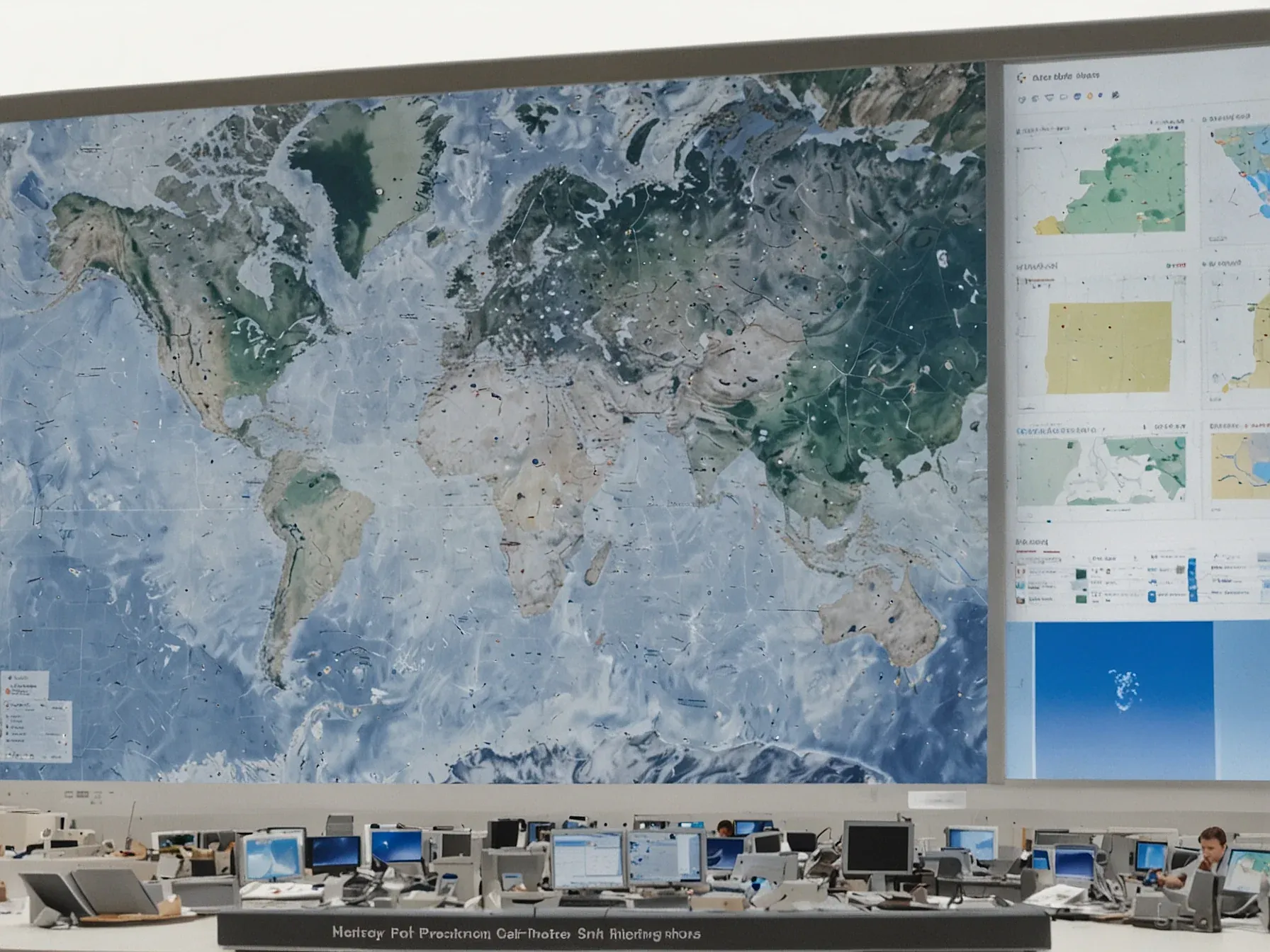
Generative AI models depend on stacks of specialized memory chips. To meet soaring demand, Samsung is building a vast new semiconductor manufacturing campus in Pyeongtaek, South Korea.
Why this matters
A humanoid robot vacuuming an apartment makes for a good demo, but demos are cheap. What we actually want to know is whether it handled the stuff that trips up every home robot: cords, stairs, a cat that won't move, furniture nobody measured. The article doesn't say, and that gap is the whole story right now. Companies are happy to show us a robot folding laundry under studio lighting; they're far less eager to show us the failure reel.
Samsung building out infrastructure for the AI boom is the less flashy but more telling item here. Chips, memory, fabs, that's where the real bottleneck sits, not in whatever a robot can do in someone's living room. If Samsung is sizing up capacity now, that's a bet on demand curves that haven't peaked yet, and it's worth tracking their capital spending numbers over the next few quarters, not just their press photos.
Pair that with NASA quietly rolling out an experimental aircraft and you get a snapshot of where capital is actually flowing in 2025: compute, hardware, and machines that still need a lot of proving before they earn trust.
Related Reading
 Market Trends
AI drives three initiatives to accelerate global action for planet protection
 Market Trends
Anthropic Burns Gas to Feed AI Boom Amid Intense Competition for Power
 Market Trends
NVIDIA and Google Cloud let developers scale AI from prototype to production
 Related Topic
Google, Samsung unveil Gemini task automation for food delivery and rideshare
AI Tools & Apps
 Related Topic
ByteDance taps Samsung for custom AI chips and scarce memory supply
Business & Startups
 From Archives
Former X Product Lead Nikita Bier Warns AI Researchers Face Nuremberg Trials
 From Archives
Apple’s Earnings Call Mentions AI a Record 45 Times
 From Archives
Samsung eyes billion-euro stake in Europe's Mistral AI
Business & Startups
 From Archives
Samsung Deploys ChatGPT and Codex in Software, Marketing, Product, Manufacturing
LLMs & Generative AI
Common Questions Answered
How does Tau Robotics' humanoid robot currently operate in real-world environments like apartments?
The humanoid robot is not fully autonomous; instead, a remote human pilot watches through onboard cameras and steers the machine through cleaning tasks. This demonstrates that humanoid robotics technology has not yet reached the level of independent operation, despite impressive demonstrations.
Why is Samsung building a new semiconductor manufacturing campus in Pyeongtaek, South Korea?
Samsung is constructing the vast new campus to meet the soaring demand for specialized memory chips that generative AI models depend on. This infrastructure investment reflects the critical role semiconductor manufacturing plays in supporting the AI boom.
What real-world challenges do home robots currently struggle with according to the article?
Home robots have difficulty handling common household obstacles such as cords, stairs, pets that won't move, and furniture with unmeasured dimensions. The article notes that companies rarely show failure footage and instead focus on polished demonstrations under controlled studio conditions.
What gap exists between humanoid robot demonstrations and actual practical capability?
While companies showcase robots performing tasks like folding laundry under ideal studio lighting conditions, they are reluctant to demonstrate how these robots handle unpredictable real-world scenarios. This gap between curated demos and genuine performance in messy home environments represents the current state of humanoid robotics development.
Further Reading
- Papers with Code - Latest NLP Research - Papers with Code
- Hugging Face Daily Papers - Hugging Face
- ArXiv CS.CL (Computation and Language) - ArXiv
