
Editorial illustration for Bipartisan Frontier Act Proposes Independent AI Auditors
Bipartisan Bill Mandates Independent AI Model Audits
Bipartisan Frontier Act Proposes Independent AI Auditors
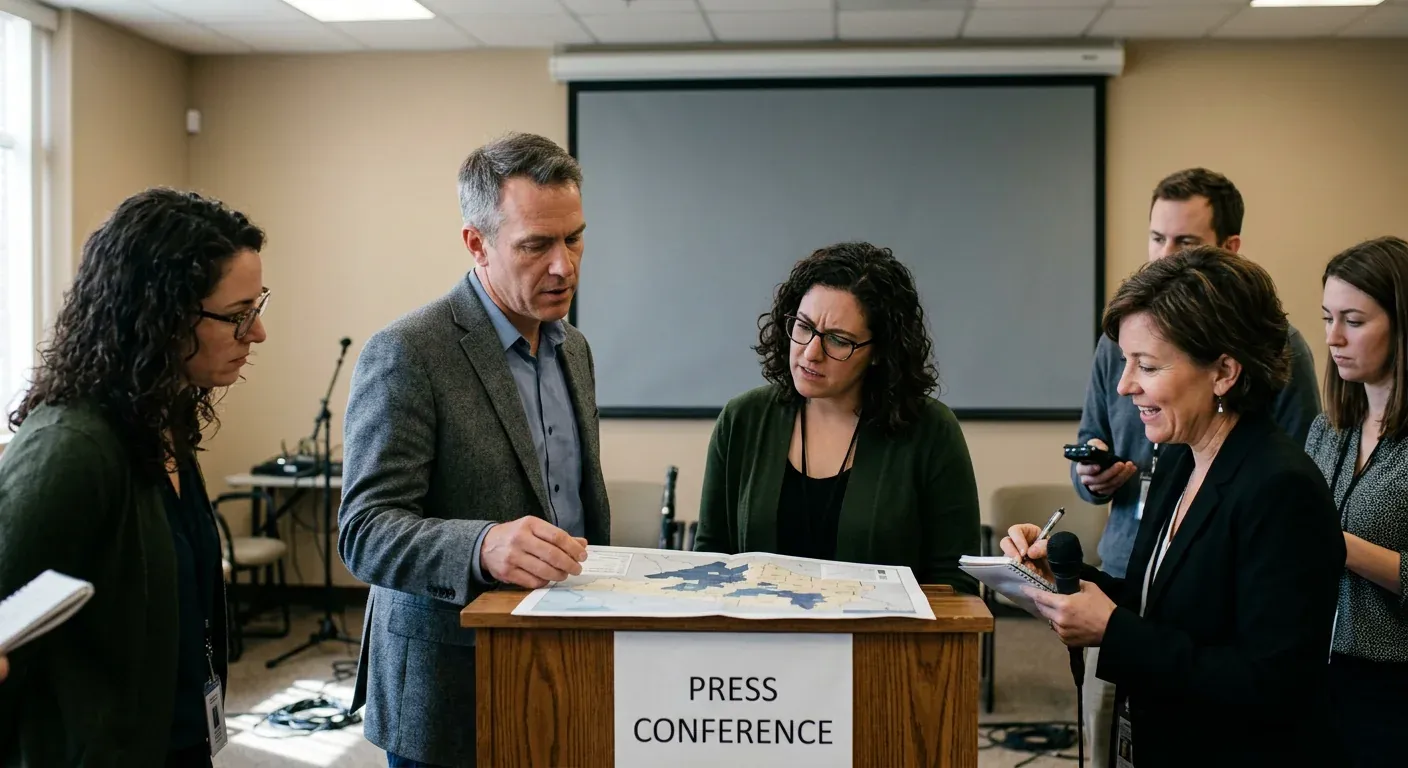
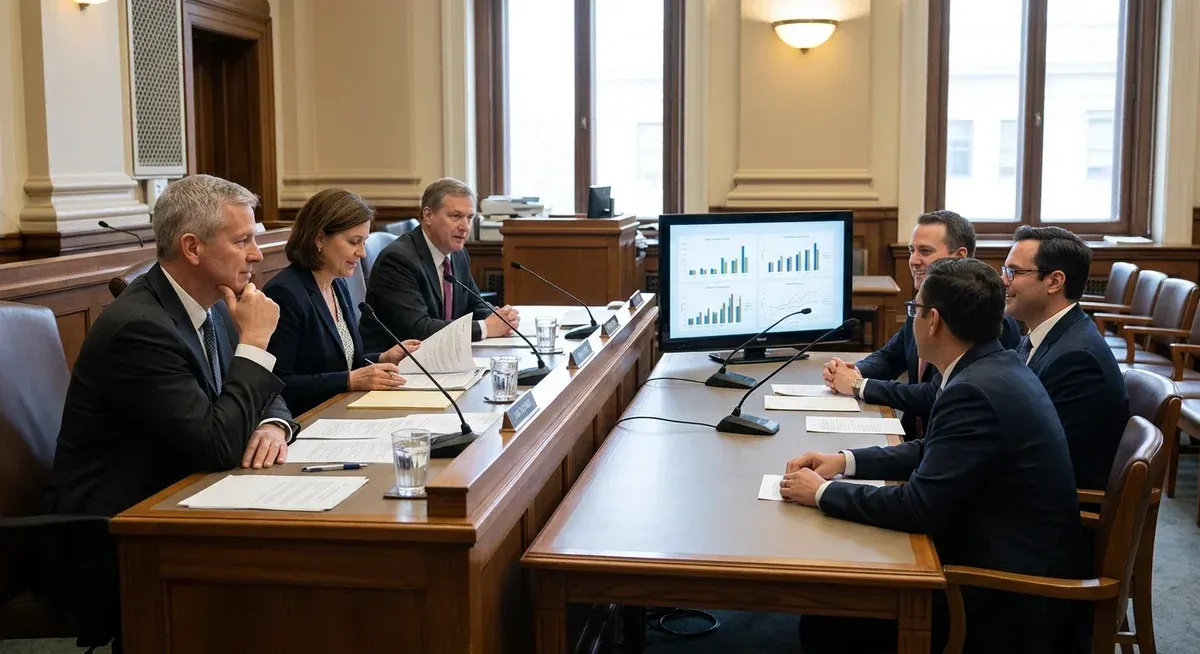
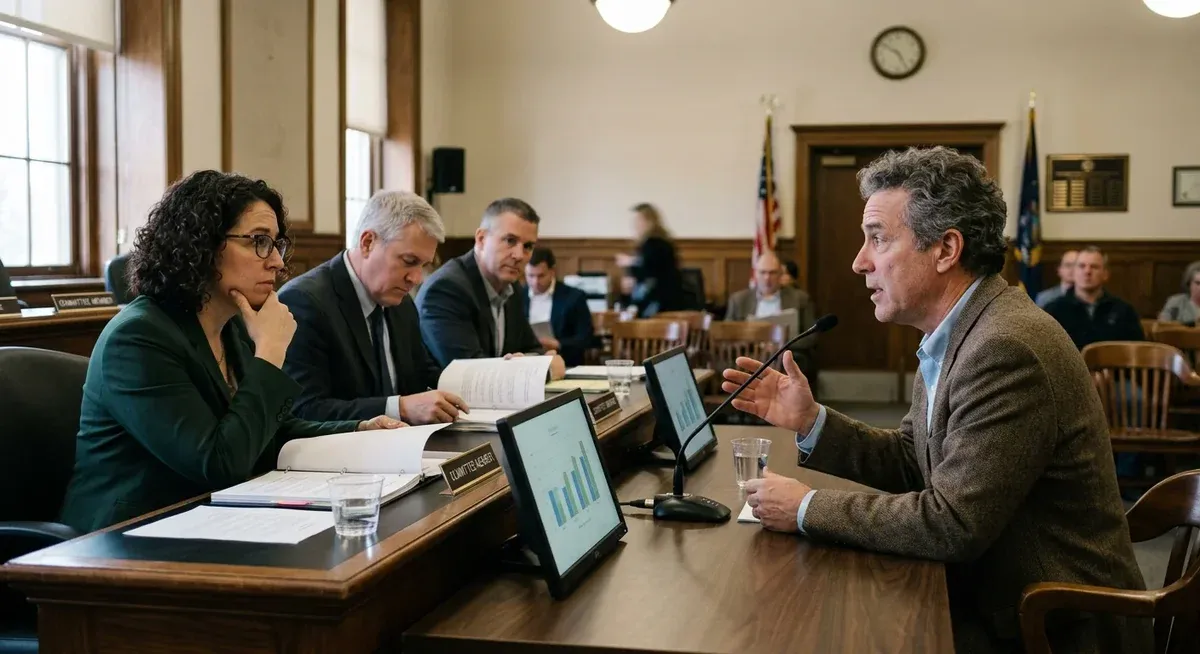
Sen. Josh Hawley and a handful of colleagues introduced the Frontier Artificial Intelligence Risk Management Act this week, a bipartisan bill that would require companies building the most powerful AI models to submit to independent audits and disclose safety testing results to a federal body. The measure lands at a strange moment.
Just months ago, White House aides were drafting their own plan for an AI oversight agency, one modeled loosely on FINRA, after Google DeepMind cofounder Demis Hassabis pitched the idea directly to senior officials in a July 14 essay. The Treasury Department and the Office of Science and Technology Policy got far enough to sketch out what a self-regulatory body for frontier labs might look like.
Then the tech industry found out. David Sacks, Trump's former AI czar, and Meta CEO Mark Zuckerberg were among the executives who called the president in August to kill it. The plan has sat untouched since.
No new proposal has replaced it inside the West Wing, and Trump has spent recent days publicly rejecting any move toward direct federal oversight of AI companies. Hawley's bill arrives into that vacuum, with no clear path to the votes it would need.
Since then, there have been no new AI oversight proposals seriously under consideration at the White House, the sources say, not least as Trump has doubled down in recent days of rejecting any overt regulation and called AI safety concerns a “hoax” in a recent Truth Social post.
Why this matters
The Frontier Act's real value isn't the bill text, it's the signal: Trahan and Obernolte have found a structure that AI executives can live with, even as the White House shelves its own FINRA-style idea and other proposals stall for lack of votes. For builders and founders, that's worth watching closely. An independent-auditor model is a fundamentally different compliance regime than a licensing body or a new federal agency, with different costs, different disclosure obligations, and different timelines for how a frontier lab would need to prove a model is safe before release.
We're skeptical this particular bill clears the House this session, given how crowded and fractured the AI-regulation landscape in Washington already is. But bipartisan support plus industry buy-in is a rarer combination than the noise around AI regulation suggests, and it tends to be the surviving framework once the dust settles. Anyone training or deploying frontier-scale models should treat this as the leading contender to track, not the White House's paused FINRA concept, and should start thinking now about what an audit regime would actually require of them.
Related Reading
 Policy & Regulation
 Akamai Proposes SAFE Cybersecurity Guidelines for AI Threats
 Policy & Regulation
 After ditching AI fitness apps and a Fitbit, I return to Peloton classes
 Policy & Regulation
 Sony Music, Warner Chappell Sue Anthropic Over "Blatant Theft
 From Archives
 Sanders and Bannon Press Washington for AI Controls
 From Archives
 Meta's USD 18B settlement, AI harms show why we need regulation, experts say
Common Questions Answered
What are the key requirements of the Frontier Artificial Intelligence Risk Management Act?
The bipartisan bill introduced by Sen. Josh Hawley requires companies building the most powerful AI models to submit to independent audits and disclose safety testing results to a federal body. This represents a legislative approach to managing risks associated with frontier AI development.
How does the independent auditor model differ from other proposed AI oversight structures?
The independent-auditor model is fundamentally different from a licensing body or a new federal agency, with different costs and disclosure obligations. This structure has proven more acceptable to AI executives compared to the White House's previously considered FINRA-style oversight agency.
Why has the White House shelved its own AI oversight proposal?
According to sources, there are currently no new AI oversight proposals seriously under consideration at the White House, particularly as the Trump administration has rejected overt regulation and characterized AI safety concerns as a 'hoax.' This shift reflects changing political priorities regarding AI governance.
What is the significance of the Frontier Act finding support from both AI executives and bipartisan lawmakers?
The real value of the Frontier Act lies in signaling that Trahan and Obernolte have discovered a regulatory structure that AI executives can accept, even as other proposals stall or are shelved. This consensus-based approach may prove more viable for actual implementation compared to more restrictive oversight models.
Further Reading
- Obernolte, Franklin offer bipartisan bill to set national rules for frontier AI - Franklin House Office
- The FRONTIER Act Is Congress's Best AI Bill Yet - The Future of AI Institute
- A view from DC: A bipartisan blockbuster bill on AI - IAPP
- Federal AI regulation bill freezes state consumer protections three years, sparks revolt - TechTimes
- Senate legislation to establish third-party AI audit guidelines is now bipartisan - FedScoop
