LLMs & Generative AI - Page 61 of 73
Latest breakthroughs in large language models and generative AI shaping the future of artificial intelligence and machine learning.
1459 articles
View complete article list
Latest breakthroughs in large language models and generative AI shaping the future of artificial intelligence and machine learning.

Taste is human. It’s a gut thing. So why is a platform built on it, a company called Sublime, running on artificial intelligence? Sari Azout runs Sublime. On this week's Vergecast, she explains the contradiction.

Forget just building a smarter chatbot. At OpenAI, researchers are now trying to force their creations to develop a conscience.

The influencer economy is a confidence game, and the con is about to get automated. A flood of AI-generated clips, cheap and convincing enough to fool a distracted thumb, is hitting platforms built on human attention. The math is simple.
Google activated its SynthID watermarking system on the Gemini platform in December. It’s live. I ran its detector against a batch of AI-made images, text, and video—some from Gemini itself, some from other sources. The tool caught some.
OpenAI has a Target ad. They just won't call it that. The company is testing shopping prompts in its chatbot. It tells users they might want to buy specific products during conversations.

Your weekend basketball session is no longer just practice. It’s raw data. Upload an hour-long video of yourself playing, and Gemini 3 will dissect every pivot, every missed box-out, every wasted step.

OpenAI is pulling the trigger early. GPT-5.2 lands December 9th, a full sprint ahead of its original December timeline. The reason? Competitors.

Most AI can identify a table. A few can name the junk on it. Gemini 3 Pro is the first that might actually clear it off for you. The model's trick is spatial reasoning.

Google's AI demos have a formula. First, a chatbot parrots information. Then, an image generator renders a scene. But with Gemini 3, that predictable script gets tossed. The model builds things.
Reddit deleted more than 40 million pieces of spam and manipulated content in the first half of 2025. But now, as WIRED reports, a stranger pollution is choking the platform.

Andrej Karpathy’s LLM Council is testing a different approach to AI reasoning. Instead of a single answer, it has three models—Grok, ChatGPT, and Llama—first give independent responses to a question. They then blindly rank each other's work.

If you want an AI to break its own rules, try asking nicely. In meter. A new study forced twenty-five top chatbots from Google, OpenAI, and others to listen to poetry.

OpenAI is sweating. That internal 'Code Red' order from Sam Altman wasn't triggered by some distant, theoretical threat. It was a direct reaction to a one-two-three punch that landed in the market almost simultaneously. DeepSeek dropped V3.2.

Your voice assistant already knows what song you want to hear. But what if it could actually help you lose weight? Healthify and OpenAI are betting big that the answer is yes.
You feed Google's NotebookLM a stack of documents and tell it to build a slide deck. Expectations are low. The result, however, is immediately usable. That’s the minor miracle.
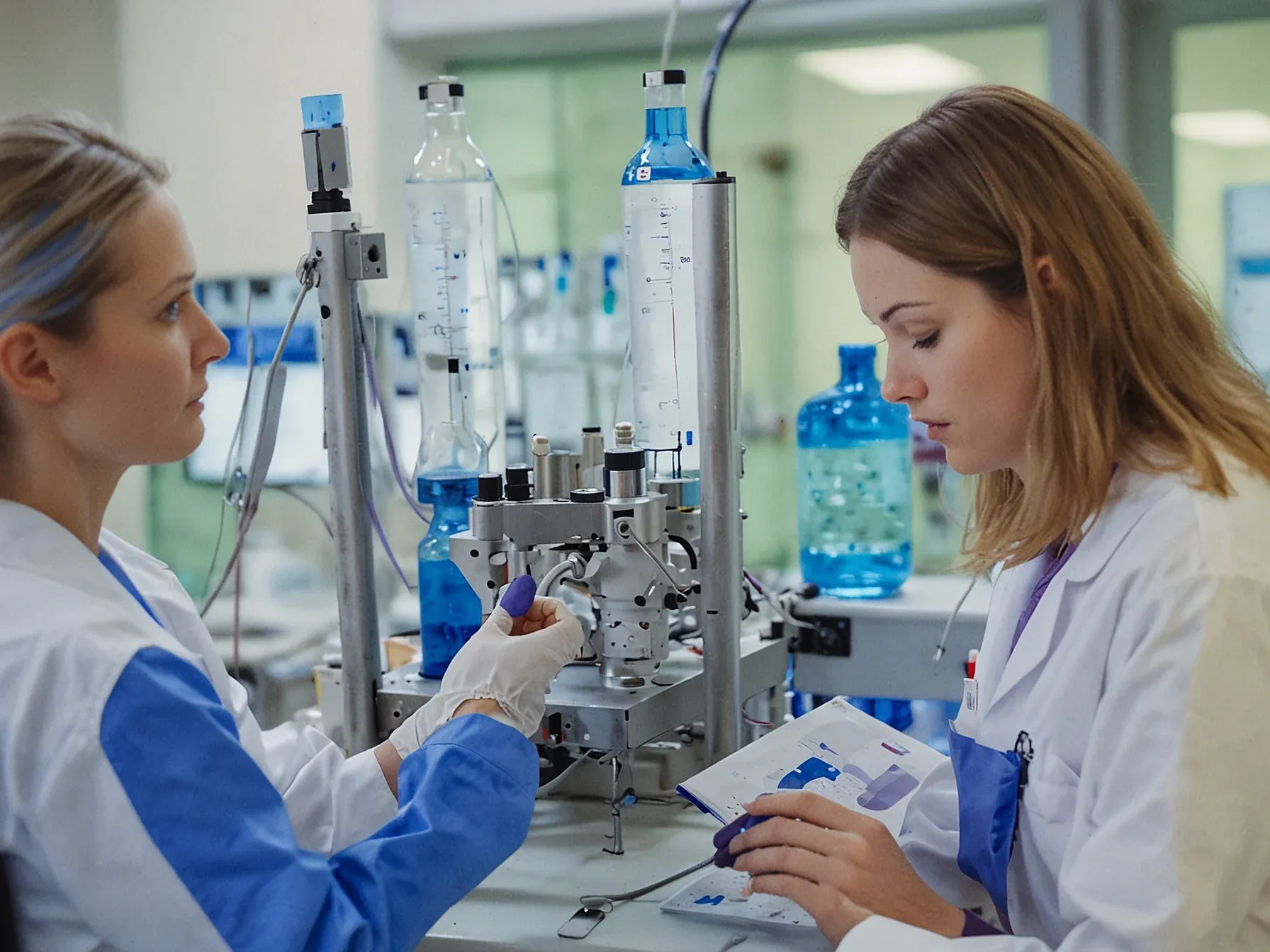
Most AI models don't think; they just generate text until something clicks. That's wasteful, slow, a known tax on performance. A new method from researchers at Qwen targets this computational bloat directly.

December's AI video announcements are not updates. They're a takeover. The field is now a brawl between massive upgrades from Runway and Kling and a new kind of tool from O1 that lets you edit anything in a video, pixel by pixel.

The memo hit OpenAI’s internal channels with a jolt of urgency. Sam Altman is shelving ads, delaying a personal assistant called Pulse, and putting health agents on ice. Why? Because Google’s own “code red” response to ChatGPT is finally paying off.
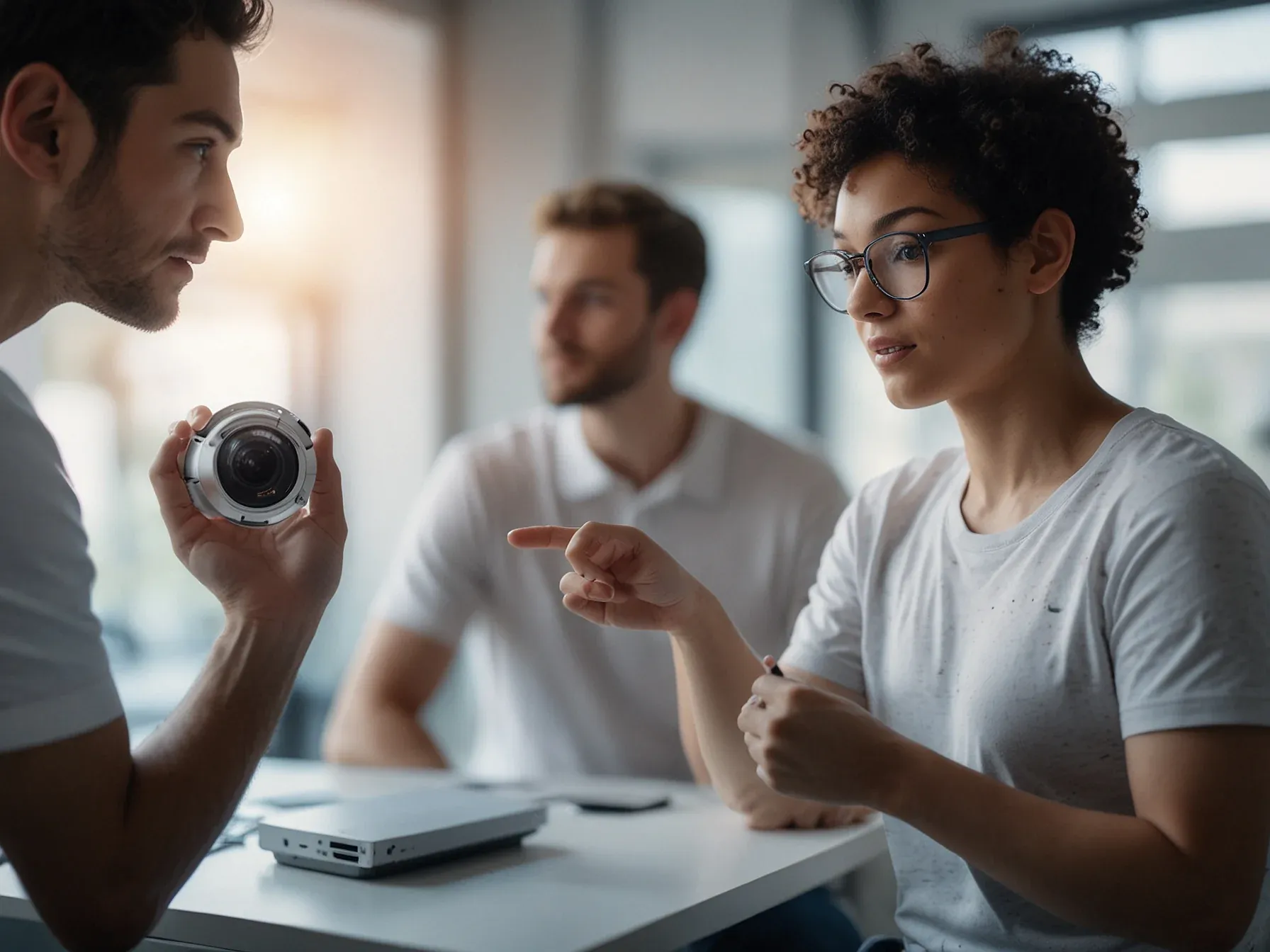
A 9.5. Another 9.5. Analytics Vidhya’s benchmark declares a tie, but the numbers are a decoy. Your real choice is stark: the consistent, authored world of a film still, or the convincing, imperfect reality of a photograph.

Your reports are a mess of mismatched fonts, clashing color palettes, and graphs that look like they belong to different companies. That inconsistency erodes trust. It screams amateur hour. But what if you could fix that with one command?
Learn to build AI-powered apps without coding. Our comprehensive review of No Code MBA's course.
Curated collection of AI tools, courses, and frameworks to accelerate your AI journey.
Get the week's most important AI news delivered to your inbox every week.