AI-Generated Replies Are Rude & Inefficient at Work
Using AI-Generated Replies Is Rude and Inefficient in Professional Settings
Someone sends you a work question. You copy the text, paste it into ChatGPT, then forward the bot's answer back to them. You just committed a professional crime.
This is becoming a quiet epidemic. As artificial intelligence worms its way into offices, one of its most common uses is also its most corrosive: generating email replies. Experts now see it as a serious etiquette breach.
It looks efficient. It feels lazy. It probably is.
The problem isn't that the answer is wrong. It's that the act itself is a dismissal. You are telling a colleague their query isn't worth your own time or thought.
What seems like a shortcut actively undermines the collaboration it's meant to serve. The convenience is a trap.
Now, this being 2025, the people behind Let Me Google That For You also offer Let Me ChatGPT That For You, which works exactly the way you think it does. And its existence points to something new: how rude it is to, in response to a question, respond with AI output—especially in a more professional context.
Martsinovich is right. This is the digital equivalent of shrugging. Professional communication runs on a specific currency: trust, nuance, a sense of being heard.
An AI reply spends none of that currency. It just prints a counterfeit.
The signal it sends is unambiguous. You could not be bothered. The recipient understands this immediately, even if they don't articulate it. It degrades the relationship.
Use the AI to draft, by all means. Let it overcome the blank page. But then you must edit.
You must add context only you possess. You must make it yours. Forwarding the raw output is an admission that you have nothing to add.
That your role is purely clerical.
We are confusing speed for effectiveness. A fast, generic reply often creates more work, requiring follow-up clarifications and eroding goodwill. A slower, considered one actually resolves things.
The technology is augmenting the wrong part of the process. It is optimizing for the writer's saved seconds, not the reader's understanding or the project's outcome.
Authenticity isn't a soft skill. It is the operating system for functional teams. We are hacking it with generated text, and the glitches are just starting to show.
Further Reading
Related Reading
 LLMs & Generative AI
 ChatGPT's 'Nerdy' tweak rewards goblin metaphors in answers, study finds
 LLMs & Generative AI
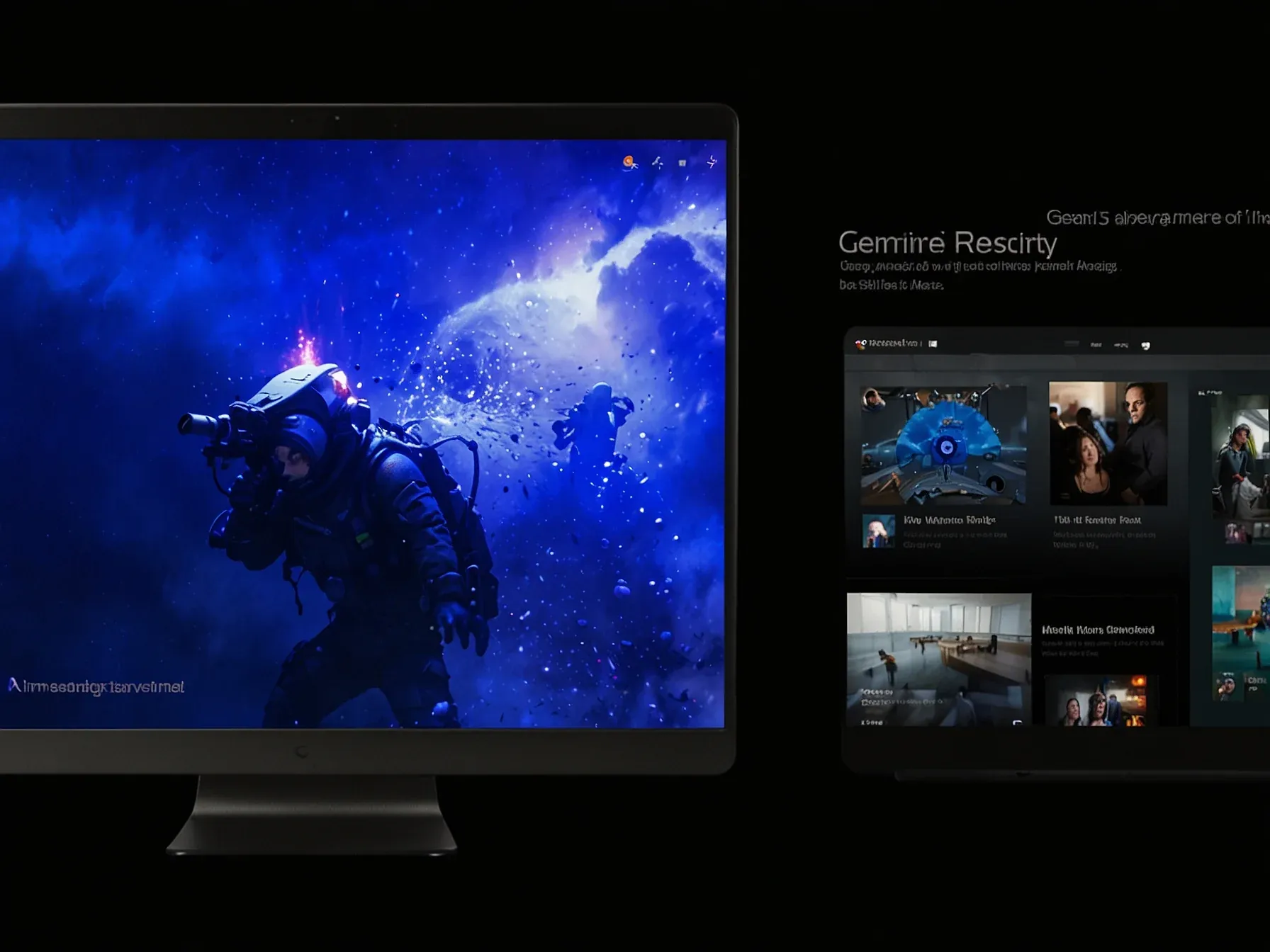
 Google tests visual 'magazine-style' UI for Gemini 3 Pro users
 LLMs & Generative AI
 AI Engineers Face Rising Costs, Need New Strategies for Efficiency
 From Archives
 Coca-Cola’s AI holiday ad looks dated next to OpenAI’s Sora and Google’s Veo
 From Archives
 Google AI Studio's 'Get Code' creates Python snippets after prompt tweaks
Common Questions Answered
Why does the article consider copy‑pasting AI‑generated replies in professional emails rude?
The article argues that copying and pasting AI output bypasses personal effort and shows a lack of respect for the recipient, making the response feel dismissive. It frames this behavior as discourteous because it forces the reader to verify or rephrase the content, adding unnecessary friction.
How does the article link the "Let Me Google That For You" site to modern AI etiquette issues?
It draws a parallel between the site's purpose of exposing lazy searching and today's practice of sending AI‑generated answers without personal input. Both are portrayed as shortcuts that undermine helpful communication and can be perceived as snarky or rude.
What inefficiencies arise when a colleague receives a screenshot of a ChatGPT response instead of a tailored answer?
Receiving a screenshot requires the recipient to interpret, verify, and possibly rewrite the AI’s text, which consumes extra time. The article highlights that this extra verification step defeats the supposed time‑saving benefit of using large language models.
According to the article, what professional etiquette should replace simply sending AI‑generated output?
The article suggests that professionals should use AI as a drafting aid, then personalize and contextualize the response before sending. This approach respects the recipient’s time and maintains a courteous, collaborative tone in workplace communications.
