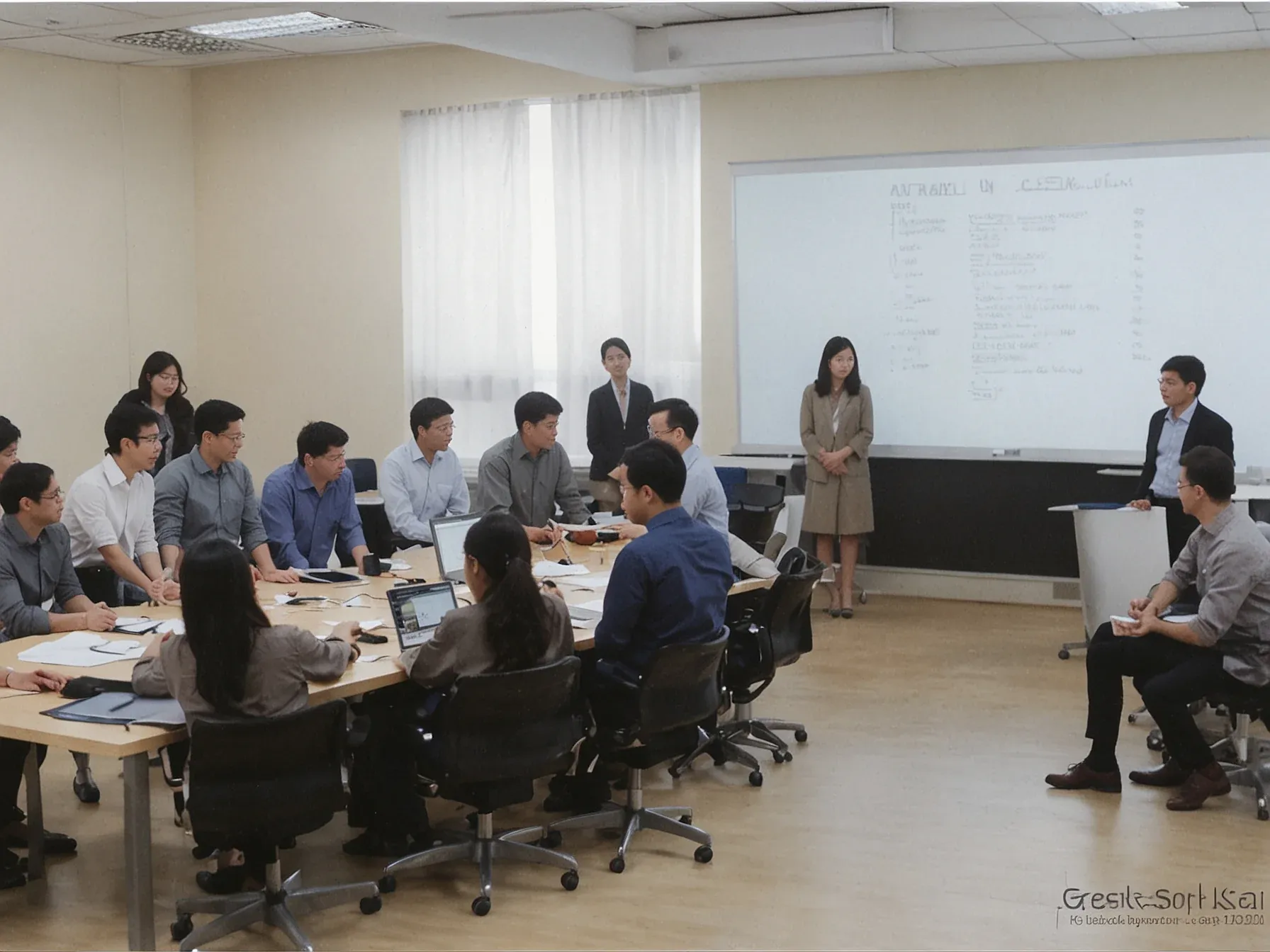
Editorial illustration for Southeast Asia Ramps Up AI Skills Training for Regional Development
Southeast Asia Accelerates AI Skills Training Boom
Southeast Asia boosts AI momentum with regional skill training
Talk of an AI workforce is cheap. Building one is a logistical nightmare. Now, Southeast Asia is attempting it.
Governments and universities aren't just opening a few coding bootcamps. They are stitching together full-scale national programs to retrofit entire populations—accountants, farmers, civil servants—for a market where software writes the rules. The objective is blunt economic survival.
Southeast Asia’s (SEA) digital landscape combined with its tech-optimistic population has shaped a powerful environment for AI-driven growth. According to the ‘AI Opportunity in Southeast Asia’ report, AI is taking root at record speed, with 70% of people in the region already using generative AI tools weekly. This adoption could help power the next stage of growth, potentially boosting the region’s economy by US$270 billion.
Eight hundred thousand people. That’s the scale of the Google-backed AI Ready ASEAN initiative in just months, a rollout with the urgency of a vaccine campaign. Focusing first on literacy and safety is the correct move—it’s a guard against a two-tier system where only elites understand the tools that manage them.
The workshops for policymakers are as telling as the student classes. They know the rulebook needs rewriting, too. This online platform, already serving 14,000, is a necessary factory for basic competence across a vast geography.
Real skepticism is warranted. Training millions on the basics is one thing. Cultivating the deep technical talent needed to build, not just use, these systems is another mountain entirely.
The region is doing the prerequisite work. The harder test—creating original research and homegrown platforms—comes next. For now, they are at least trying to read the manual before they flip the switch.
Related Reading
 Market Trends
 AI drives three initiatives to accelerate global action for planet protection
 Market Trends
 Akamai data shows AI training bots and content‑fetching bots rise since July
 Market Trends
 NVIDIA and Google Cloud let developers scale AI from prototype to production
 From Archives
 AI currently in “good to the users” stage, faces pressure to recoup capital
 From Archives
 Ed Zitron says AI bubble is a $50B industry pretending to be $1T
Common Questions Answered
How are Southeast Asian countries preparing their workforce for AI transformation?
Countries in the region are developing comprehensive training programs that range from basic digital literacy to advanced AI capabilities. These strategic initiatives aim to ensure economic competitiveness by equipping workers with critical digital skills needed in an increasingly AI-driven global marketplace.
What are the primary goals of the AI skills training programs in Southeast Asia?
The primary goals include preparing diverse populations from students to professionals for an AI-powered economy and building AI literacy and safety awareness. These programs are designed to ensure that people have the right skills to effectively and responsibly use artificial intelligence technologies.
Why is skills training considered crucial for AI development in the region?
Skills training is considered crucial because technology's potential depends directly on human capability and understanding. By prioritizing comprehensive training programs, regional leaders recognize that successful AI implementation requires not just technological infrastructure, but also a skilled and knowledgeable workforce.
Further Reading
- Microsoft announces AI skilling opportunities for 2.5 million people in the ASEAN region by 2025 — Microsoft News
- AI Ready ASEAN - ASEAN Foundation — ASEAN Foundation
- Turning AI momentum in Southeast Asia into tremendous economic growth — Google Blog
- Google Deploys $270B AI Initiative Across Southeast Asia — TechBuzz
- Roundtable: AI and Workforce Transformation—ASEAN's Defining Challenge and Opportunity — AI Asia Pacific Institute
