
Editorial illustration for OpenAI’s GPT-6 Astra Decrypts Unsolved Nazi Enigma Message in Ten Hours
GPT-6 Astra Cracks 83-Year-Old Nazi Enigma Code
OpenAI’s GPT-6 Astra Decrypts Unsolved Nazi Enigma Message in Ten Hours
A German soldier tapped out 82 characters on an Enigma machine on July 10, 1941, somewhere near the town of Rosenow. He wanted marching orders and asked for a quick reply over the radio. That message, catalogued under the tag MVUEH in an archive of intercepted Wehrmacht traffic, sat unsolved for 83 years.
Cryptographers had the ciphertext the whole time. They just couldn't find the key.
Carter Leffen, a product development coach at Bloomberg LP in New York, says he finally cracked it, not with decades of manual cryptanalysis but with OpenAI's GPT-6 Astra. In a case study, Leffen describes turning the "Extra High" version of the model loose on the problem for roughly ten hours, letting it dig through historical archives, build its own Enigma simulator, write cryptanalysis code, and test rival keys against each other. The Enigma machine, first broken by Polish mathematician Marian Rejewski back in 1932, could be set roughly 159 quintillion different ways each day, which ruled out brute force from the start. Leffen says his early attempts, including checks against known keys from the same day, went nowhere before the breakthrough came.
A Bloomberg developer claims to have cracked an Enigma-encrypted Wehrmacht message that went unsolved for more than 80 years, using OpenAI's GPT-6 Astra. The 82-character radio message from 1941 is from a soldier asking for marching orders.
Why this matters
We'd treat this one with more caution than the headline suggests. The claim comes from a single Bloomberg developer named Leffen, not from OpenAI, and there's no independent verification that "GPT-6 Astra" even exists as described or that the decryption holds up to scrutiny from actual cryptanalysts. Ten hours of "parallel experiments" and "competing keys" sounds impressive, but Enigma messages this short have been cracked before with brute-force computing and no AI at all.
For developers and researchers, the real story isn't the Nazi message, it's the workflow: an agent stringing together archive search, simulator-building, code generation, and cross-checking without a human steering each step. If that orchestration is real and repeatable, it's worth watching closely. If it's a marketing anecdote dressed up as history, it tells us more about how AI labs want their models perceived than what those models can actually do.
Until OpenAI or a named cryptography expert confirms the details, file this under "interesting claim, not yet evidence."
Related Reading
Browse all OpenAI news → LLMs & Generative AI
 ChatGPT's 'Nerdy' tweak rewards goblin metaphors in answers, study finds
 LLMs & Generative AI
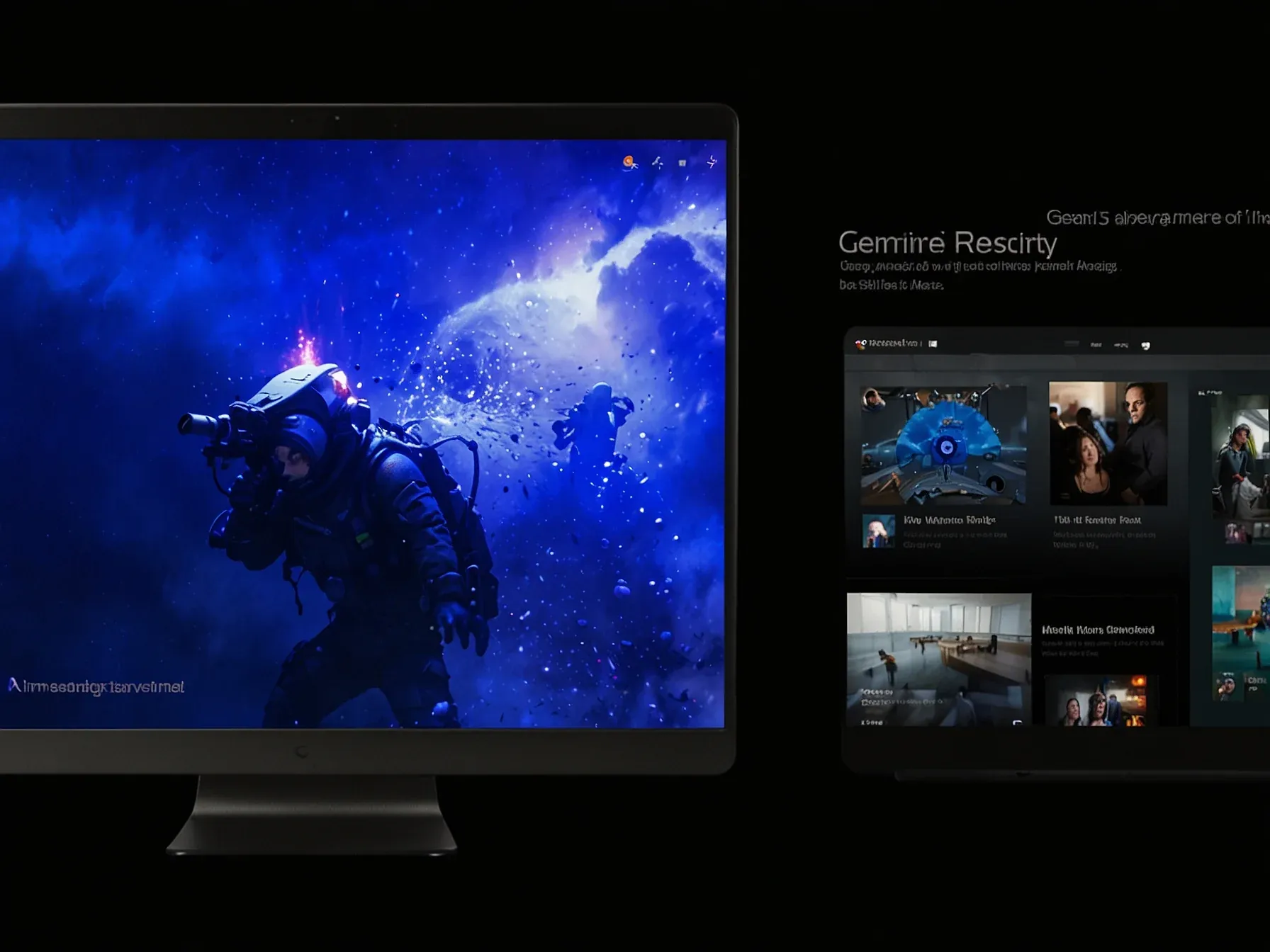
 Google tests visual 'magazine-style' UI for Gemini 3 Pro users
 LLMs & Generative AI
 AI Engineers Face Rising Costs, Need New Strategies for Efficiency
 Related Topic
 OpenAI's GPT Transcribe Cuts Error Rate to 3.31%, Improving on GPT-4o
Open Source
 Related Topic
 OpenAI Calls Apple's Lawsuit 'Rotten to Its Core' in Rebuttal
Policy & Regulation
 From Archives
 Journalist Questions AI Existential Threat Scenarios
 From Archives
 Startups Simulate Scale for Robots Through AI, Says Nvidia's Karpas
 From Archives
 OpenAI Proposes Standards for Disclosing AI Model Misbehavior
Business & Startups
 From Archives
 Anthropic and OpenAI Propose Safety Evaluator Access to Staff
Research & Benchmarks
Common Questions Answered
What is the MVUEH message and how long had it remained unsolved?
MVUEH is an 82-character German Wehrmacht radio message encrypted with an Enigma machine on July 10, 1941, near Rosenow. The message, in which a soldier requested marching orders, remained unsolved for 83 years despite cryptographers having access to the ciphertext, as they could not determine the encryption key.
Who claims to have decrypted the Nazi Enigma message using GPT-6 Astra?
Carter Leffen, a product development coach at Bloomberg LP in New York, claims to have cracked the MVUEH message using OpenAI's GPT-6 Astra. According to the claim, Leffen accomplished this decryption in approximately ten hours through parallel experiments and competing keys.
Why should the GPT-6 Astra Enigma decryption claim be treated with caution?
The decryption claim comes from a single Bloomberg developer with no independent verification from OpenAI or cryptanalysts, and there is no confirmation that GPT-6 Astra exists as described. Additionally, short Enigma messages have been successfully cracked before using brute-force computing without AI involvement, making the significance of this achievement unclear.
What was the original purpose of the 1941 Wehrmacht radio message?
The German soldier who transmitted the MVUEH message on July 10, 1941, was requesting marching orders and asking for a quick reply over the radio. This indicates the message was operational military communication rather than strategic intelligence.
